St. John Paul II, St. Maximilian Kolbe, & the Blessed Mother – Video
In this brief video by Sherwood Fellows the key themes of Lent are explored - th...
 Dr. Italy
In this brief video by Sherwood Fellows the key themes of Lent are explored - th...
In this 8 minute video, Marcellino D’Ambrosio, Ph.D. (Dr. Italy) shares so...

Why would people decline a royal invitation to a wedding feast fit for a king? This parable of Jesus describes a situation we see around us everyday ...
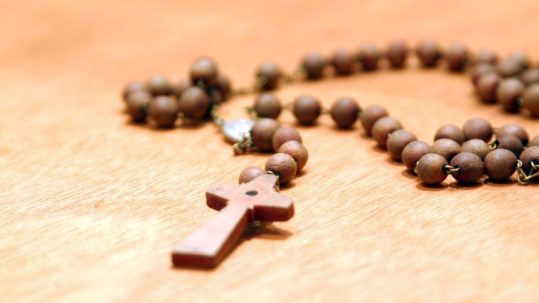
St. Bernard of Clairvaux here helps us meditate on the mysteries that are the heartbeat of the rosary. The celebration of the feast of Our Lady of th...
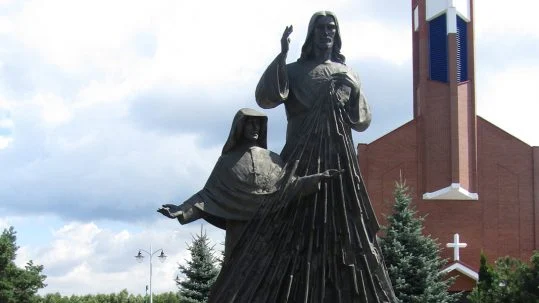
Sr. Faustina Kowalska and Devotion to Divine Mercy A sermon by Pope John Paul II Sr. Faustina Kowalska was a Polish nun who propagated devotion to the...


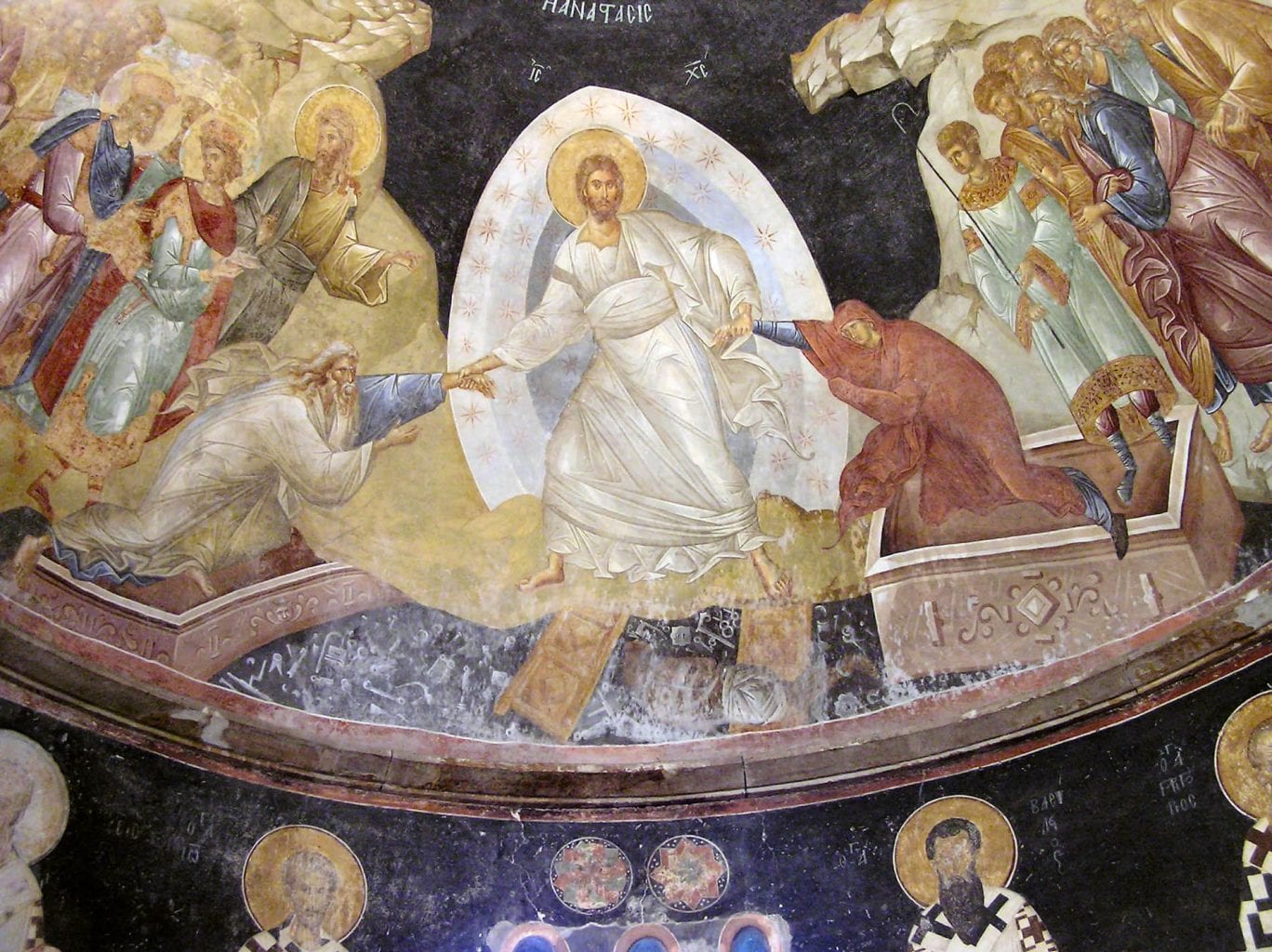
It was at the Council of Trent that Catholic doctrine on purgatory was defined. The Council in its decree affirms the existence of purgatory and the great value of praying for the deceased. Yet at the same time it sternly instructs that preachers not distract, confuse, and mislead the faithful with unnecessary speculations concerning the nature and duration of purgatorial punishments. From the fifth session, 1563.
The Catholic Church, instructed by the Holy Spirit and in accordance with sacred Scripture and the ancient Tradition of the Fathers, has taught in the holy Councils and most recently in this ecumenical Council that there is a purgatory and that the souls detained there are helped by the acts of intercession (suffragia) of the faithful, and especially by the acceptable sacrifice of the altar.
Therefore this holy Council commands the bishops to strive diligently that the sound doctrine of purgatory, handed down by the Holy Fathers and the sacred Councils, be believed by the faithful and that it be adhered to, taught and preached everywhere.
But let the more difficult and subtle questions which do not make for edification and, for the most part, are not conducive to an increase of piety (cf. I Tim. 1:4), be excluded from the popular sermons to uneducated people. Likewise they should not permit opinions that are doubtful and tainted with error to be spread and exposed. As for those things that belong to the realm of curiosity or superstition, or smack of dishonorable gain, they should forbid them as scandalous and injurious to the faithful.
Related Canon 30 from the Council of Trent’s Decree on Justification (Sixth Sesssion, 1547)
30. If anyone says that after the grace of justification has been received the guilt is so remitted and the debt of eternal punishment so blotted out for any repentant sinner, that no debt of temporal punishment remains to be paid, either in this world or in the other, in purgatory, before access can be opened to the kingdom of heaven, anathema sit [“let him be anathema” or excommunicated].
A modern translation of the Decree on Purgatory by the Council of Trent, 25th session, 1563, the authoritative statement of Catholic dogma on the subject.

The Council of Trent, meeting on and off for about 20 years in the Alpine Italian town of Trent, was the Catholic Church’s response to the challenge presented by the Protestant Reformation. Its doctrinal decrees touch on many of the controversial topics debated during the times such as justification, the Eucharist, and the other sacraments. Many of the doctrinal teachings of this ecumenical council are intended as definitive dogmatic pronouncements and as such are regarded as infallible. Some of the decrees of the council are pastoral and disciplinary in nature, such as the institution of a seminary system for the training of future clergy.

John Patrick Grace
Posted at 12:16h, 31 AugustIt would seem that Trent has declared the existence of purgatory a dogma, but has deliberately
kept any details about purgatory vague. I hear purgatory mentioned only infrequently in homilies andd
sermons. It would appear that the Catholic faithful remain very unclear about what the church teaches
regarding purgatory.
Dr. Marcellino D'Ambrosio
Posted at 12:57h, 31 AugustTrent and the magisterium of the Catholic Church is very modest in its teaching about purgatory. The church does not claim to know and therefore does not bind us to believe any more than this: that during our life we should do everything we can to repent of all sin, including venial, to break all attachments to sin and do penance for our sins in order to help repair the harm we have done. In addition, it teaches as dogma that should we fail to do so, we may pass through a process of purgation or purification before being admitted to the vision of God and eternal glory. Likewise, it teaches that we should pray for the dead ernestly in order to help those who may be going through such a process of purification. Many saints and others have claimed to have had visions of purgatory and have described various sufferings. The church does not vouch for any of them. You can choose to believe some, all, or none of them. But the important thing is to pursue sanctification, do penance, and pray for the dead.