St. John Paul II, St. Maximilian Kolbe, & the Blessed Mother – Video
In this brief video by Sherwood Fellows the key themes of Lent are explored - th...
 Dr. Italy
In this brief video by Sherwood Fellows the key themes of Lent are explored - th...
In this 8 minute video, Marcellino D’Ambrosio, Ph.D. (Dr. Italy) shares so...
In this 14 minute podcast, Dr. Italy discusses the inspiring life of the great friend of St. Francis of Assisi, St. Claire. Her name means light or c...
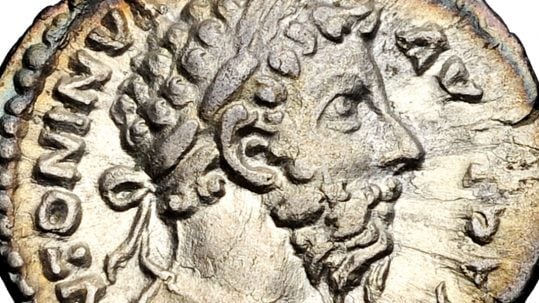
When the Pharisees and the Herodians brought up the issue of paying taxes to the Emperor, Jesus uttered the famous line "render to Caesar what is Caes...
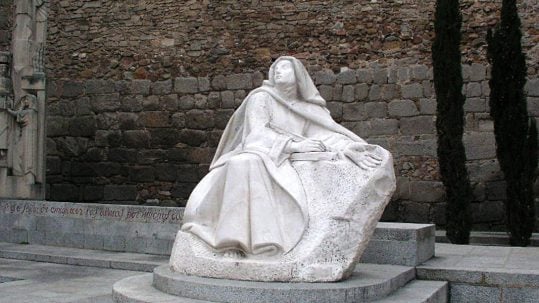
St. Teresa of Avila on friendship with Jesus as the key to contemplation and the spiritual life and how all blessings, particularly contemplative pray...


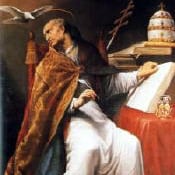
Pope Saint Gregory I, commonly known as St. Gregory the Great, was one of the most fascinating of early Church Fathers. Son of a Roman Senator, Saint Gregory was born in Rome around 540AD and, following his dad’s footsteps, embarked upon a political career. He rose through the ranks of civil service and eventually became Prefect (mayor) of the city of Rome. At that point, Gregory discerned a call to deeper life with God so promptly gave away his wealth to the poor and entered the monastery of St. Andrew (ca. 574) where he ultimately became abbot (585). The Pope, recognizing his talent, named him as one of the seven deacons of Rome and then sent him on a diplomatic mission as papal legate to the imperial city of Constantinople where he remained for five years. Upon the death of the pope in 590, St. Gregory was elected to succeed him, the first monk ever elected as the Successor of Peter. This man who wanted nothing else but to be a simple monk had to undergo a profound interior struggle before accepting this election as the will of God. Immediately he set to work putting in order the affairs of a Church and society in chaos. Like his predecessor Pope Leo the Great, he negotiated a “separate peace” with the invading barbarians, in this case the Lombards (592-3). In light of the powerlessness of the Byzantine emperor in the West, he took over civic as well as spiritual leadership of Italy, appointing governors of the various Italian cities. He, who had spent his own wealth to relieve the suffering of the poor, did much the same with the resources of the church. He insisted on Papal primacy, and took the initiative in evangelization, sending monks from his former monastery led by Augustine to convert the Angles of Britain. His abundant writings are more practical and spiritual than doctrinal or theoretical. His Liber Regulae Pastoralis (592 ca) sets the standard of what a bishop should be. His Dialogues recounts the life of his master, St. Benedict, and other saints of the period. His Moralia in Job is a commentary on the book of Job according to the literal, moral, and spiritual senses of Scripture. Very devoted to the liturgy, Gregory promoted sacred music and to this day the plainsong that comes down to us from this era is known as “Gregorian Chant.” Gregory, who died in 604 AD, is known as one of the four greatest Latin-speaking Fathers and Doctors of the Church. He is one of the few men in the history of the Church whose name is customarily followed by “the Great.” His liturgical memorial is on September 3, the anniversary of his consecration as bishop of Rome and successor of St. Peter. His favorite title for this exalted office was “servant of the servants of God.” For more on the life and impact of St. Gregory the Great, see chapter 25 of Marcellino D’Ambrosio’s book When the Church Was Young: Voices of the Early Fathers. Biography by Dr. Italy