St. John Paul II, St. Maximilian Kolbe, & the Blessed Mother – Video
In this brief video by Sherwood Fellows the key themes of Lent are explored - th...
 Dr. Italy
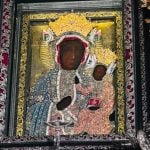
In this brief video by Sherwood Fellows the key themes of Lent are explored - th...
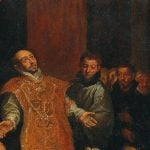
In this 8 minute video, Marcellino D’Ambrosio, Ph.D. (Dr. Italy) shares so...

In this 14 minute podcast, Dr. Italy discusses the inspiring life of the great friend of St. Francis of Assisi, St. Claire. Her name means light or c...
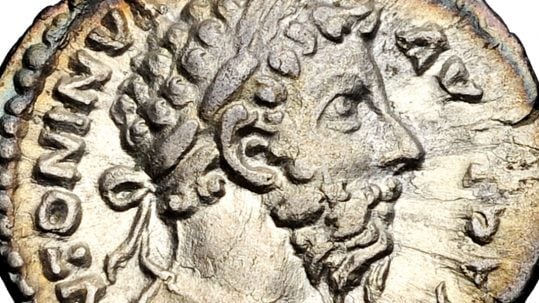
When the Pharisees and the Herodians brought up the issue of paying taxes to the Emperor, Jesus uttered the famous line "render to Caesar what is Caes...
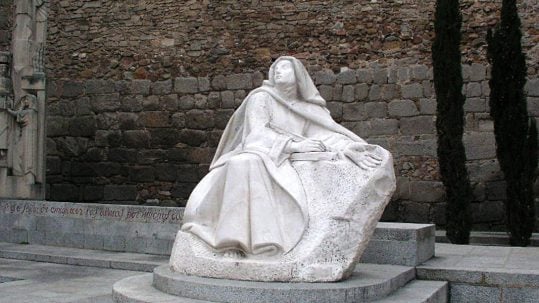
St. Teresa of Avila on friendship with Jesus as the key to contemplation and the spiritual life and how all blessings, particularly contemplative pray...


St. Bede, born around 673AD in the northeast area of what is now England, entered the Benedictine monastery of Warmouth at age 7. Celtic monasticism had existed in the British Isles for centuries, but Benedictine Monasticism was a rather recent arrival when Bede entered monastic life. He devoted himself from the time he entered the monastery to prayer, the study of Scripture and history, and ultimately teaching and writing after becoming a deacon and then a priest. Even in his lifetime he was renowned for the greatness of his biblical teaching and historical writing for which he is known as the father of British history. There is much about the early secular and ecclesiastical history of the British Isles that we would simply not know were it not for the writings of Saint Bede. It was not long after his death in 735AD that Bede was given the popular title “Venerable.” Known as one of the last Fathers of the Church, he was also according the title of Doctor of the Church by Pope Leo XIII in 1899. His tomb is located in the beautiful Anglican cathedral of Durham, which dates back to Norman times and also houses the relics of another great saint of early Britain, Saint Cuthbert. Biography by Dr. Italy