St. John Paul II, St. Maximilian Kolbe, & the Blessed Mother – Video
In this brief video by Sherwood Fellows the key themes of Lent are explored - th...
 Dr. Italy
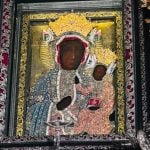
In this brief video by Sherwood Fellows the key themes of Lent are explored - th...
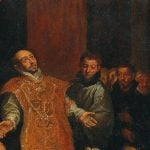
In this 8 minute video, Marcellino D’Ambrosio, Ph.D. (Dr. Italy) shares so...

In this 14 minute podcast, Dr. Italy discusses the inspiring life of the great friend of St. Francis of Assisi, St. Claire. Her name means light or c...
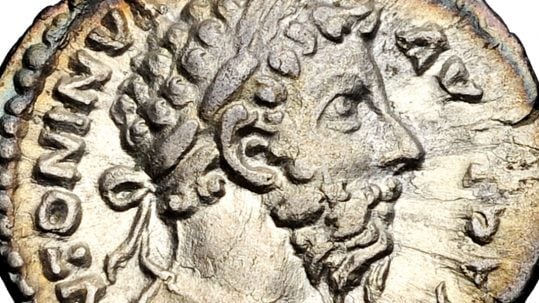
When the Pharisees and the Herodians brought up the issue of paying taxes to the Emperor, Jesus uttered the famous line "render to Caesar what is Caes...
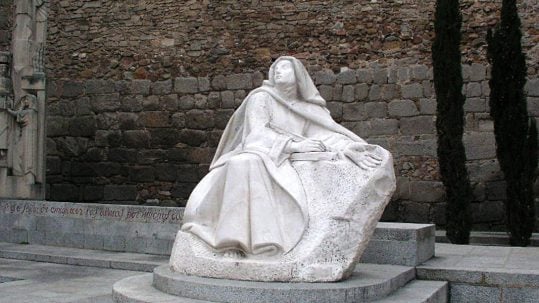
St. Teresa of Avila on friendship with Jesus as the key to contemplation and the spiritual life and how all blessings, particularly contemplative pray...


This post is also available in: Spanish, Italian
The Feast of Christ the King reminds us that Jesus will judge the living and the dead. Matthew 25 hints that the pious, decent folk may be in for a surprise . . . sins of omission, failing to love, may figure more prominently in the last judgment than we may think. To LISTEN to this post read by Dr. Italy, click on the play arrow on the left, directly below this paragraph.
On the final Sunday in the Roman Catholic liturgical year, it is time to remember things that we’d prefer to forget.
For starters, we recall that there is an infinite qualitative difference between us and God. He is immortal and infinite. We are not. Each one of us will come to our individual end. But so will our society, our world, even our universe.
Another thing to call to mind on this day is that while the Son of God came the first time in a way both lowly and hidden, he will come one day in a way both public and glorious.
Yes, he is the Lamb of God. But He is also the Lion of Judah. He takes away the sin of those who let him. But he will alsol bring things hidden into the light, call a spade a spade, and insist that all bear the consequences of their choices.

That is what any judge does. And Christ the King will come in glory, says the Creed, to judge the living and the dead.
But what will the Last Judgment be like? By what criteria will we be judged?
Only one passage in the Gospels provides a sneak preview of that day of reckoning–Matthew 25:31-46. First of all, note that most of Jesus’ parables have a jarring punch line. They tend to upset the preconceived notions of just about everyone, especially the most religious, whether they be Pharisees or disciples.
Clearly, all of us expect that the Judge will condemn evil and impose sentence on the guilty. And we tend to think of evildoing as stepping over the line and infringing on the rights of others, taking their possessions, maybe even taking their lives. The language of the Our Father lends itself to this interpretation of sin when it says “forgive us our trespasses.”
The problem with this understanding of sin is that it is incomplete, even shallow. Lots of people think that as long as they don’t lie, cheat, and steal, but just keep to themselves and mind their own business, they deserve big rewards from God.
The story of the Last Judgment addresses these “decent folks.” Imagine their shock as they swagger smugly up to the judge’s bench expecting praise only to be sent off to eternal punishment!
Why? Because they neglected to do the good that God required them to do. They did not “commit” offenses or infractions of the law; they did nothing positively destructive. No, but in the presence of suffering, they just heartlessly did nothing. Their sin was not a sin of “commission” but a sin of “omission.”
But note–these sins of omission are the very thing that ultimately seals the fate of the damned.
There are lots of negative commandments, often expressed as “thou shalt not’s.” But the two most important commandments are positive “thou shalt’s.” “You shall love the Lord thy God with all thy heart, soul, and strength and you shall love your neighbor as yourself.”
These two commandments require an interior disposition that issues in outward actions. If you are hungry, you love yourself enough to go to the fridge. If you truly love your hungry neighbor as yourself, you don’t just say a prayer and offer sympathy (James 2:15-17). Loving God with all your heart doesn’t mean giving a respectful nod to God and then going on your merry way. It means going out of your way, passionately seeking to love him and serve him in all that you do.
In this Last Judgment scene we see how these two commandments, these two loves, are really one. Jesus makes clear that loving God with your whole heart is expressed in loving your neighbor as yourself. And whenever you love your neighbor in this way, you are actually loving the Son of God.
So ultimately, the judgment is simple. It all comes down to love. The judge happens to be the King of hearts.
This post on the last judgment, the commandments of love, and sins of omission, is offered as a reflection upon the readings for the 34th Sunday in Ordinary Time, liturgical cycle A, the Feast of Christ the King, (Ezekiel 34:11-17, Psalm 23, I Cor. 15:20-28; Matthew 25:31-46).
For further resources for the Feast of Christ the King, see Christ the King and the Second Coming.
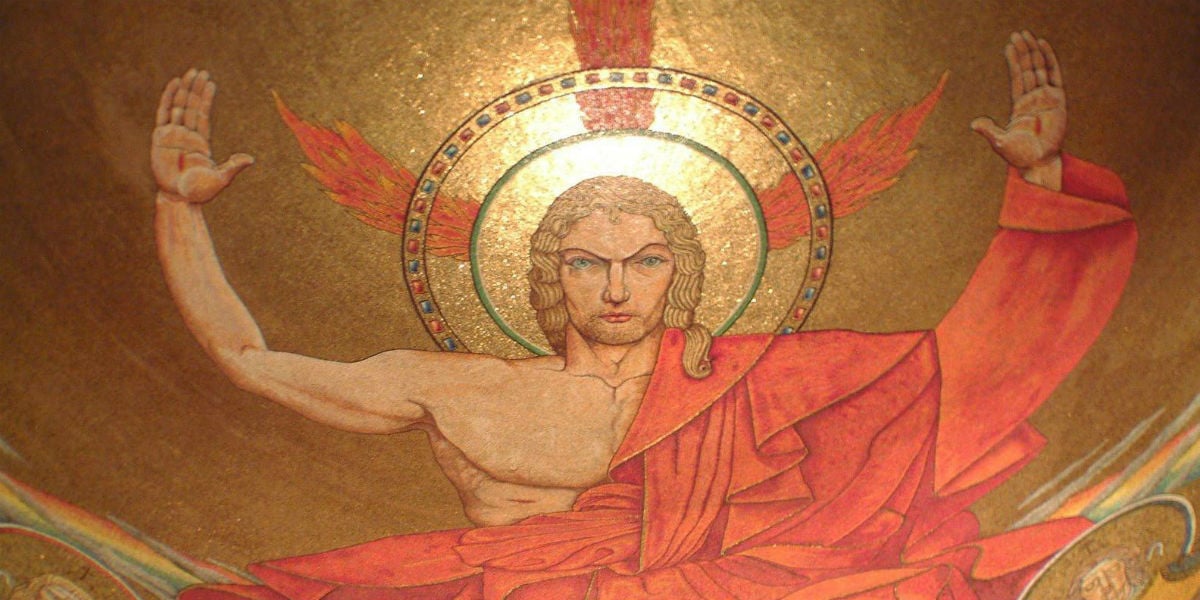
Banner/featured image of Christ the King in Glory is a photo of the apse mosaic of the Basilica of the National Shrine of the Immaculate Conception in Washington, DC. Public domain.


From a colorful and varied background as a professor of theology, a father of five, business owner, and professional performer Marcellino D’Ambrosio (aka “Dr. Italy”) crafts talks, blog posts, books, and videos that are always fascinating, practical, and easy to understand. He is a popular speaker, TV and radio personality, New York Times best-selling author, and pilgrimage host who has been leading people on a journey of discovery for over thirty years. For a fuller bio and video, visit the Dr. Italy page. For a full Curriculum Vitae (CV) of Dr. Italy, click here. 


No Comments