St. John Paul II, St. Maximilian Kolbe, & the Blessed Mother – Video
In this brief video by Sherwood Fellows the key themes of Lent are explored - th...
 Dr. Italy
In this brief video by Sherwood Fellows the key themes of Lent are explored - th...
In this 8 minute video, Marcellino D’Ambrosio, Ph.D. (Dr. Italy) shares so...
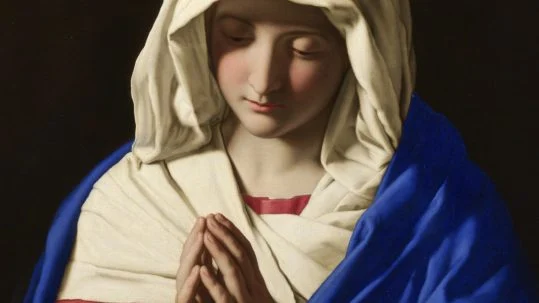
Saint Andrew of Crete on the nativity of Mary as a turning point between old and new covenant, the frontier where types and symbols give way to realit...
The parable of the merciless servant illustrates the meaning of "forgive us our trespasses as we forgive those who trespass against us," a petition i...

September 11th is the anniversary of one of most brutal acts of terrorism of all time. Three days later, on September 14, the Catholic and Eastern Or...


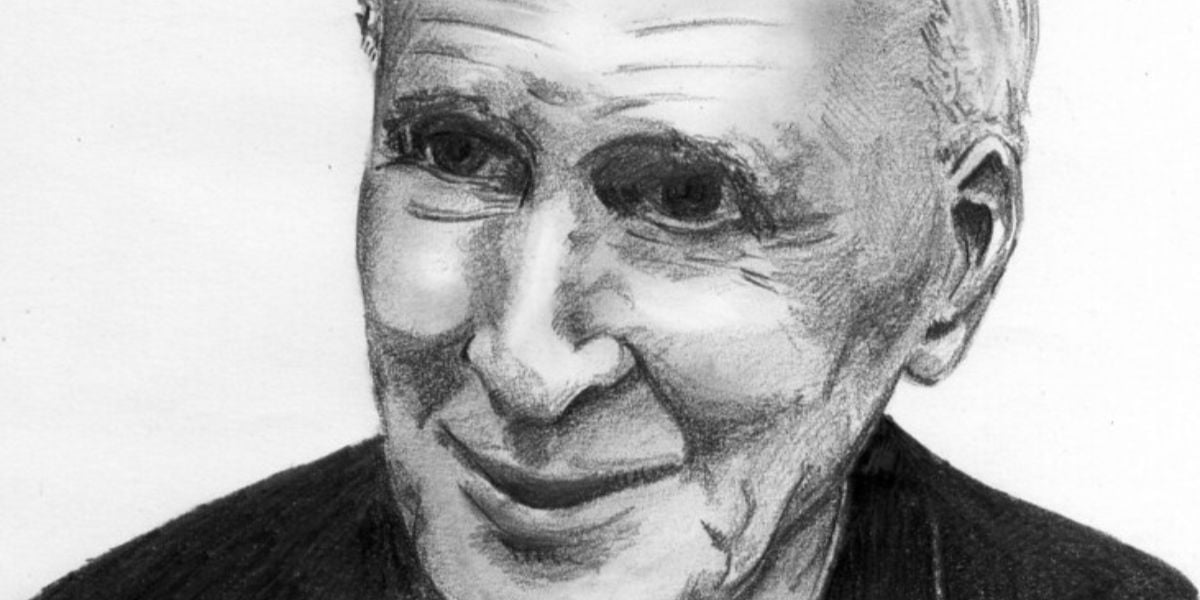
This doctoral dissertation abstract on "Henri de Lubac and the Recovery of the Traditional Hermeneutic" was submitted to the theology department of the Catholic University of America by Marcellino D'Ambrosio for completion of the requirements of a Ph.D. in historical theology. The abstract was submitted...
The second Council of Orange was a small synod of only 14 bishops, presided over by St. Caesarius, bishop of Arles, held in what is now south-eastern France. It confronted issues of faith, grace, free-will and predestination in order to solve lingering debates over Pelagianism...
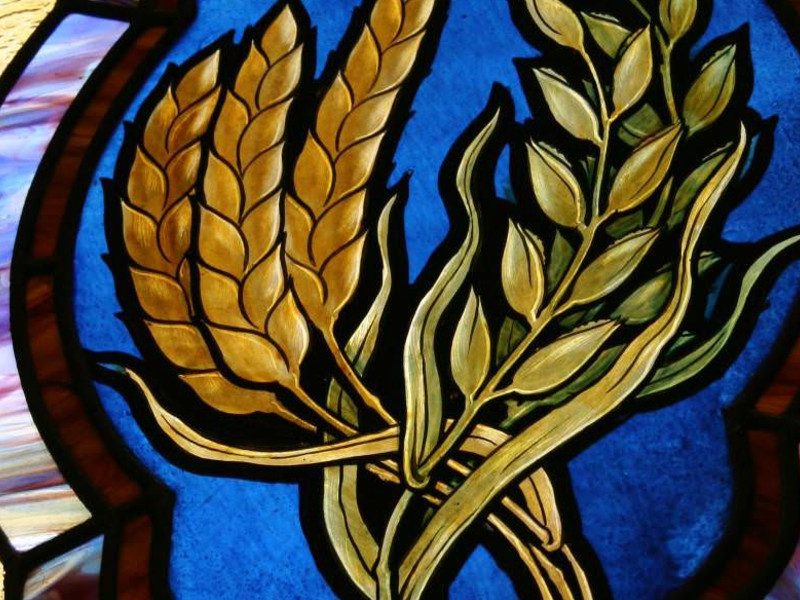
An excerpt from the Letter of Ignatius of Antioch to the Romans, written while on his way to Rome to be martyred in the arena where he expects to become God's wheat, food for the wild beasts, a willing sacrifice with and for Jesus Christ....
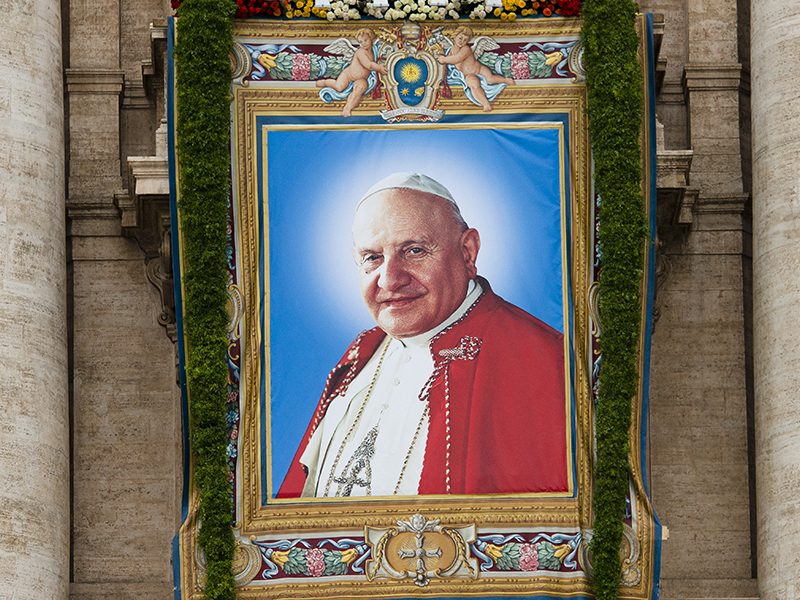
It is fitting that Pope John XXIII be canonized a saint by Pope Francis -- they share a focus on humility, prayer, the surprises of the Holy Spirit and breaking papal protocol to draw near to the simple people, Catholics and non-Catholics, believers and non-believers....
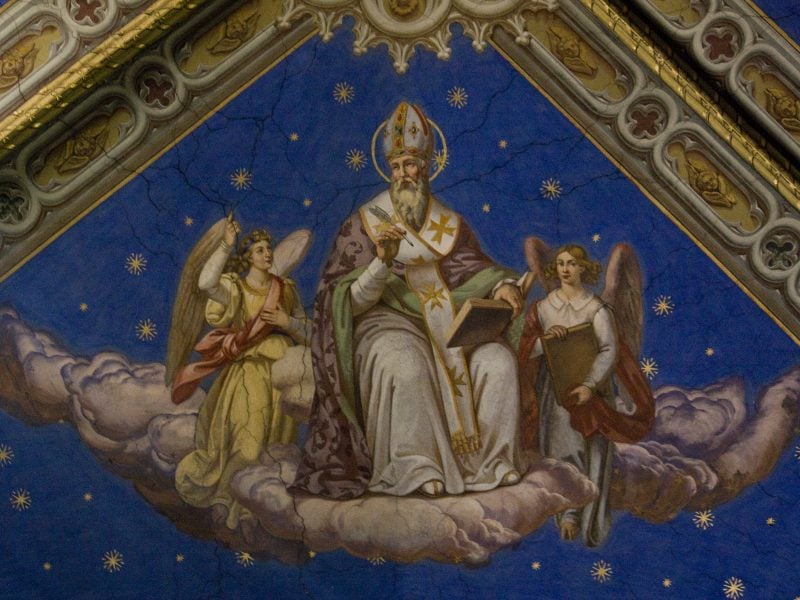
This excerpt on prayer from Ambrose's treatise on Cain and Abel highlights the value of thanksgiving, forgiveness of others, and praying with and for the whole body of Christ, the Church, rather than simply praying by oneself for oneself....

{1} This essay is dedicated to the memory of cardinal Henri de Lubac, S.J., who died on September 4, 1991. {2} "Take . . . the success from a religious point of view of such authors as Péguy or Claudel. Is it not extremely significant?" H. de Lubac, Catholicisme (1st...
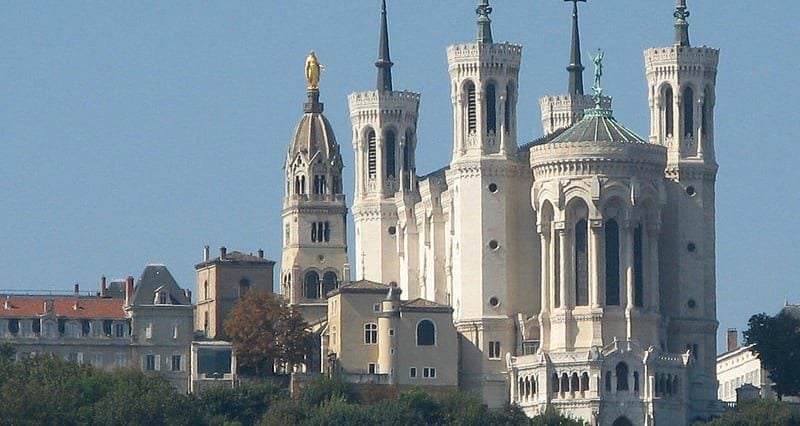
This article, "Ressourcement theology, aggiornamento, and the hermeneutics of tradition" by Marcellino D'Ambrosio is reprinted from Communio 18 (Winter 1991). The theological movement the set the stage for the Second Vatican Council shows that the Christian tradition is a vital and dynamic force that is not retrograde, but...
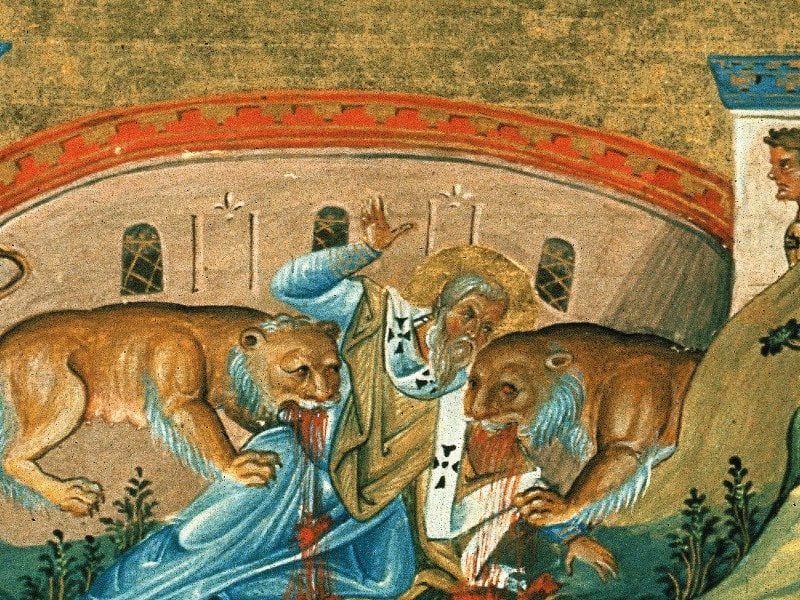
The writings of Ignatius, bishop of Antioch and one of the most inspiring of the Early Church Fathers, provide a revealing glimpse into the heart of an early Christian martyr as well as into the life and teaching of the Church just after the close...
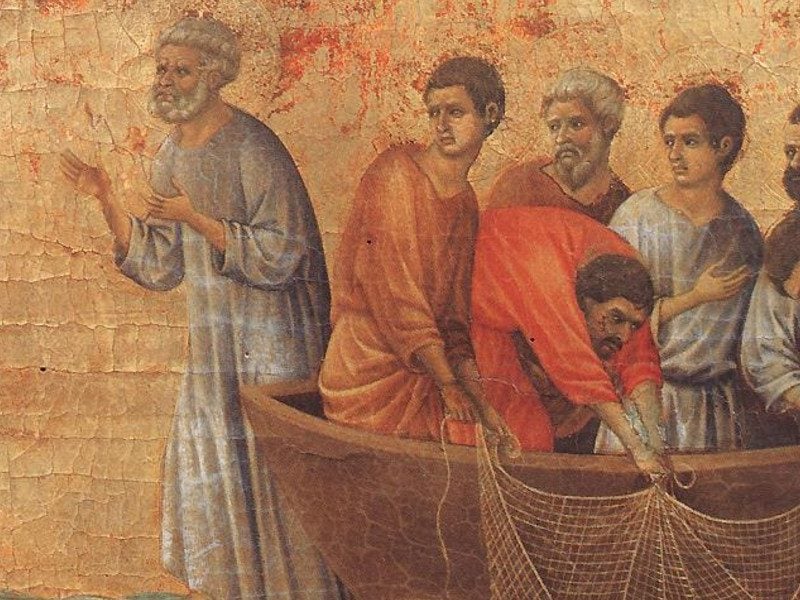
The twelve apostles of Jesus of Nazareth -- 12 fishermen and tax collectors who were selected from the disciples of the Lord Jesus Christ to be official eyewitnesses of his public ministry, death, and resurrection, priests of the new covenant, stewards of the mysteries of...
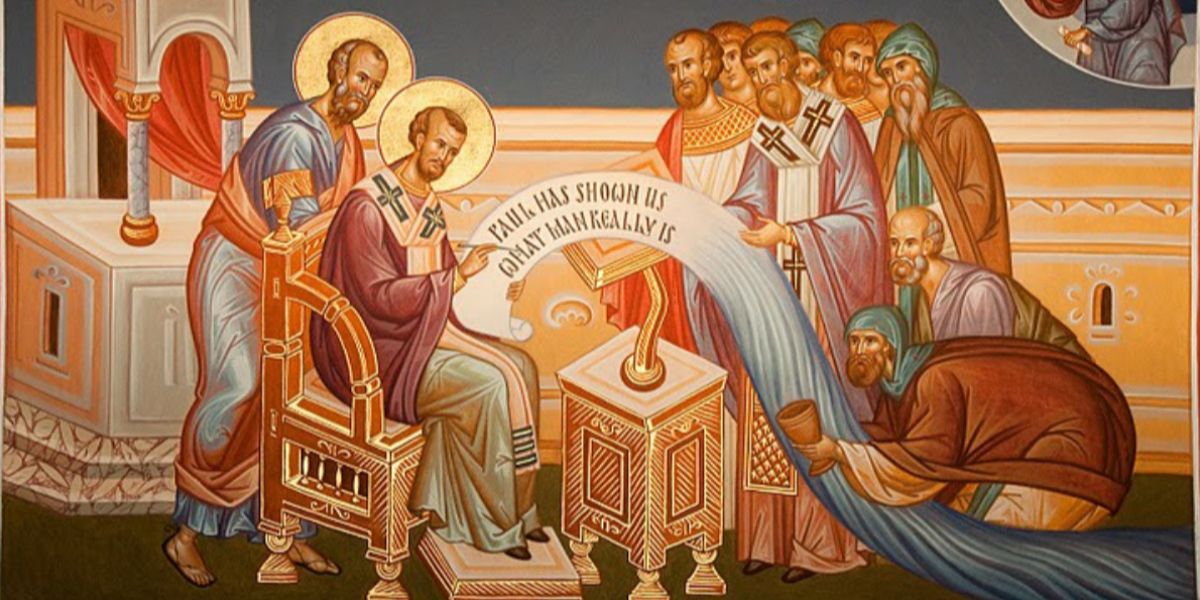
Brief video by Dr. Italy that provides an overview of the Life and teaching of St. John Chrysostom, early Church Father, Doctor of the Church, and one of the greatest preachers of all time. The story of this courageous hero will inspire you....

St. John Chrysostom proclaimed the Gospel fearlessly despite the jealousy and hatred directed at him by the supposedly Christian Empress and Imperial Court of Constantinople around AD 400. In the face of government threats he proclaims "If Christ is with me, whom shall I...
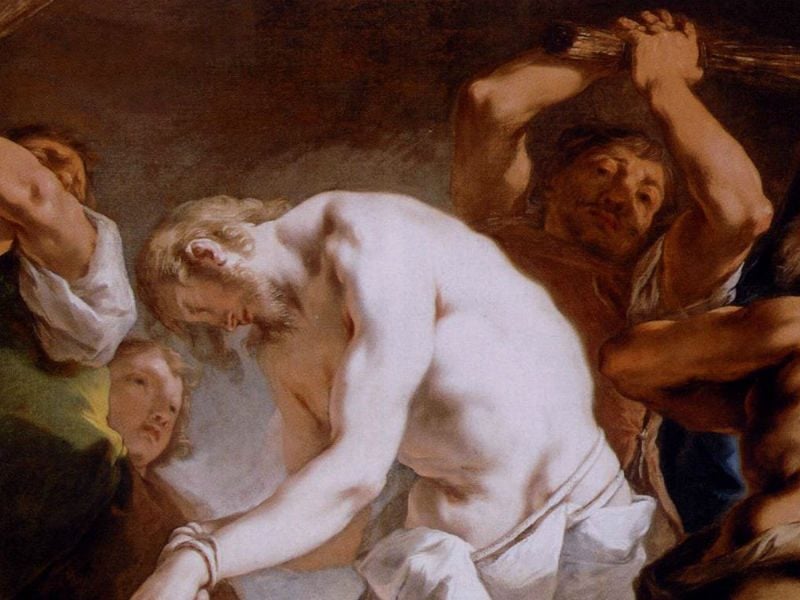
When asked what the four cardinal or hinge virtues were, St. Bernard of Clairvaux replied "humility, humility, humility, and humility." This article explains what humility is and why it is so central to Christian life, in light of Jesus' conversation with James & John, the...
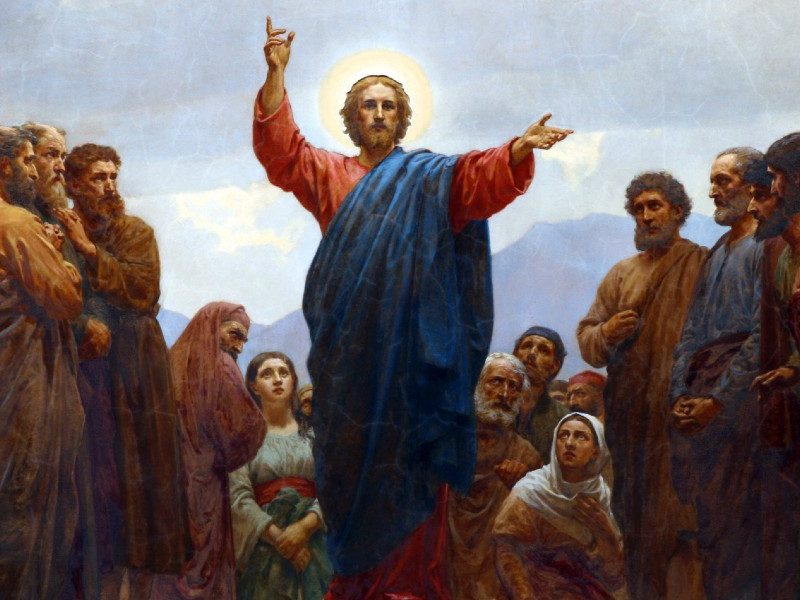
St. John Eudes on living in Christ in intimate union, as body is united to head. Jesus, who is the source of our life, wants to live in and through us. [dropcaps type='normal' font_size='100' color='' background_color='' border_color='']I[/dropcaps] ask you to consider that our Lord Jesus Christ is...
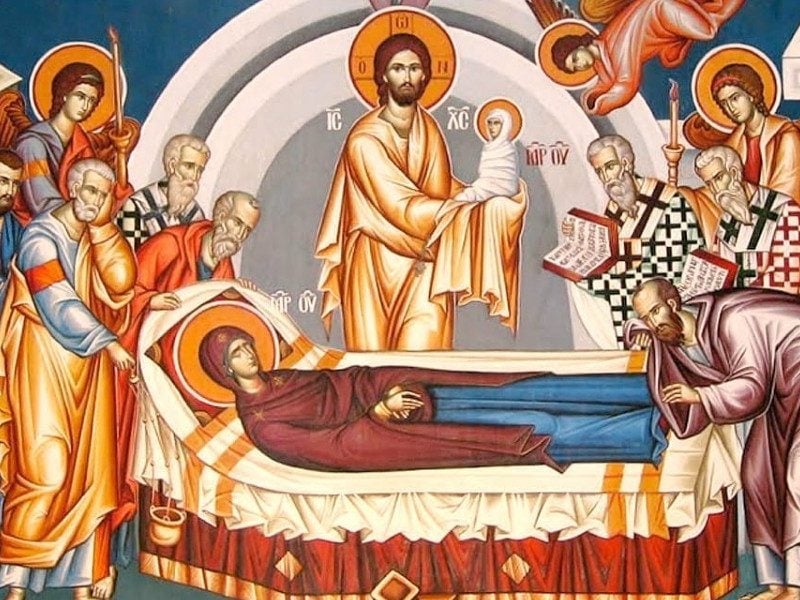
John Damascene, early Church Father, on the Dormition and bodily Assumption of the Blessed Virgin Mary at the end of her earthly life. This homily is cited by Pope Pius XII in his definition of the Assumption as a Dogma of faith....
Gregory of Nyssa says we are not true Christians unless we reject emnity & become peacemakers, promoting unity, reconciliation, harmony & peace in Christ...

Augustine, in the conclusion of his commentary on John, speaks of our future hope - the vision of God in heaven following the coming of Christ. The Gospel of John and every book of the Scriptures will no longer be needed since we will see...
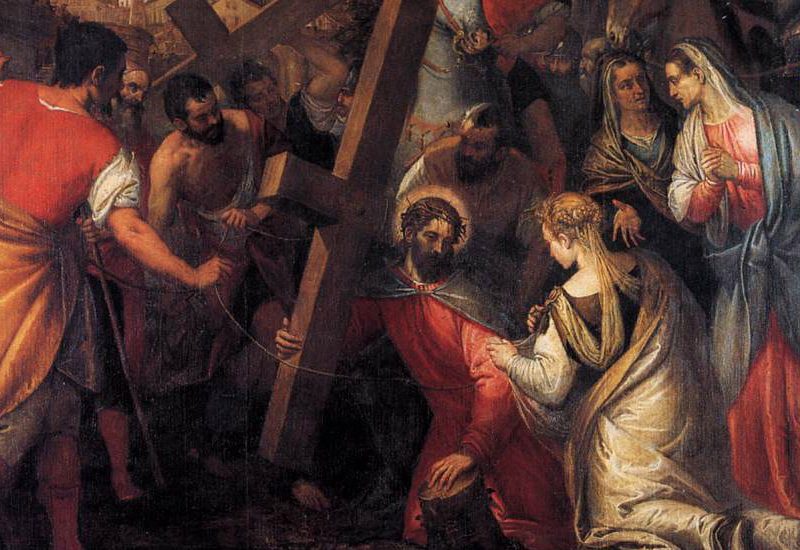
This reading on the mean of Christ's sufferings Savior's passion reflects on the Lord's passion by means of several key bible passages including of the piercing of Christ's side in John 19. Theodoret interprets the blood and water flowing from that wound as signs of...
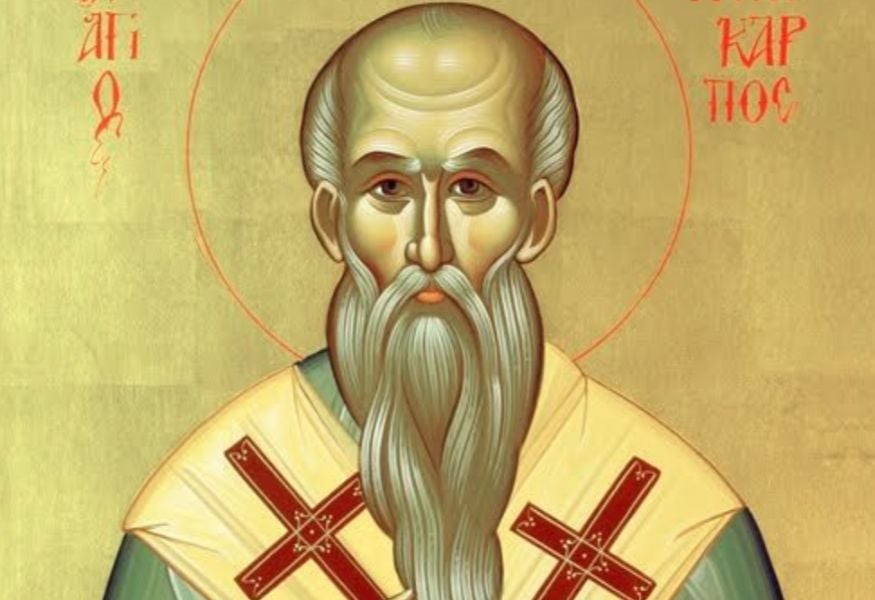
Ignatius of Antioch, in chains on his way to martyrdom in Rome, writes advice to his fellow bishop Polycarp. Married and celibate members of the community should live their marriage or celibacy as offering in God's honor. And the entire Church must offer to God...
[dropcaps type='normal' font_size='100' color='' background_color='' border_color='']I[/dropcaps]t is right for you to give glory in every way to Jesus Christ who has given glory to you; you must be made holy in all things by being united in perfect obedience, in submission to the bishop and...
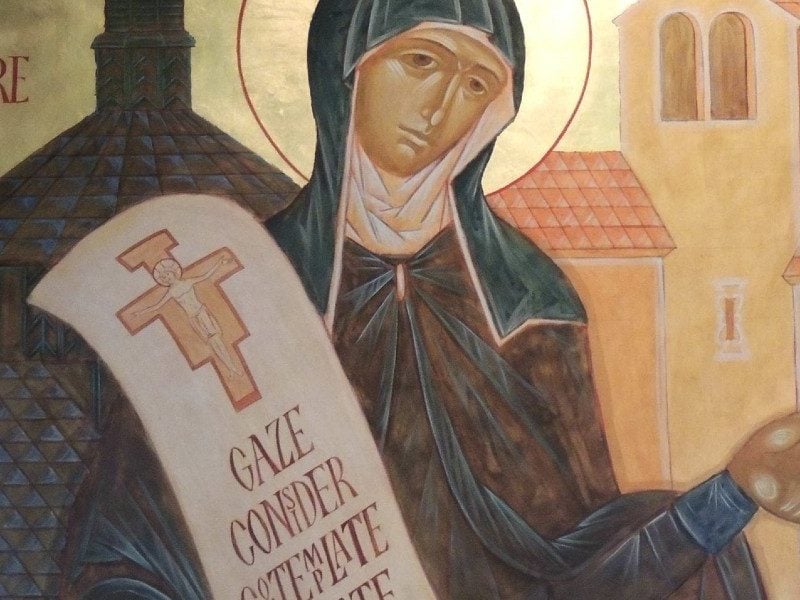
St. Clare is remembered in the liturgy of the Church on August 11. Inspired by her neighbor, Francis of Assisi and under his direction, she founded an order of nuns commonly called the “Poor Clares.” Though she lived a cloistered, contemplative life in the...
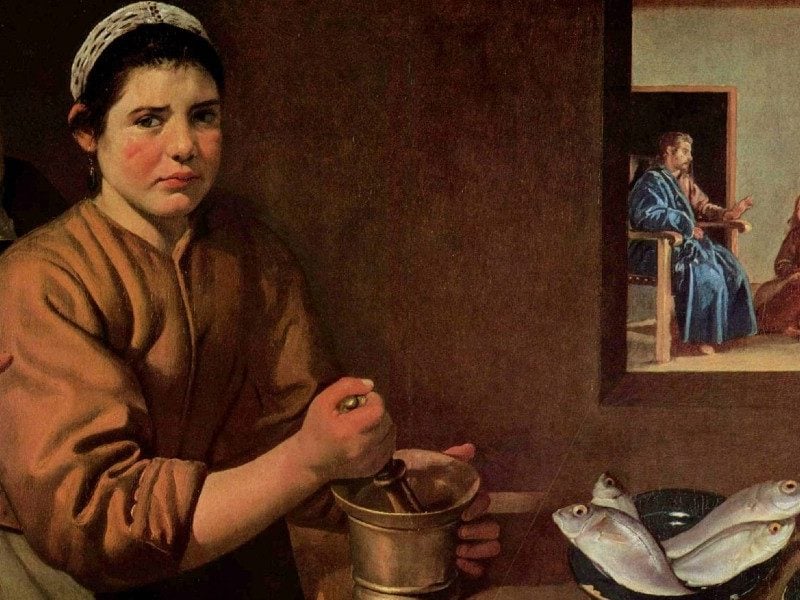
All Christians, even the busiest among us, are called to contemplative, even mystical, prayer. Here are a few tips on how to experience contemplation even in the midst of action....
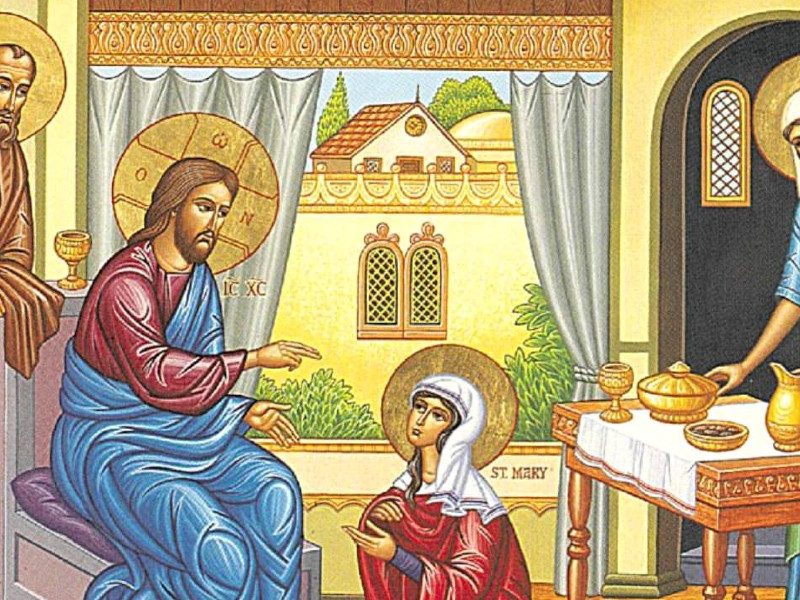
Bruno of Segni considers Jesus' visit to the home of Martha and Mary in Bethany (Luke 10) as a lesson on the difference between the contemplative and active life....
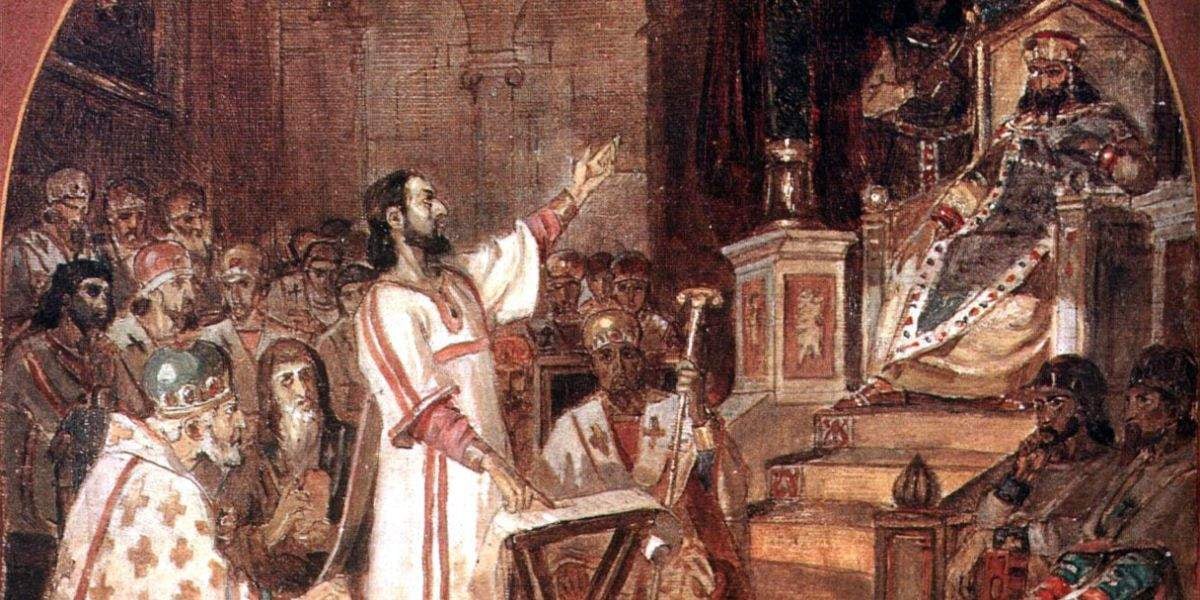
What makes a particular Church Council Ecumenical? How many have fit this definition down through history, and what is their importance and authority? The Catholic and Orthodox Churches have related but somewhat different answers to these questions....
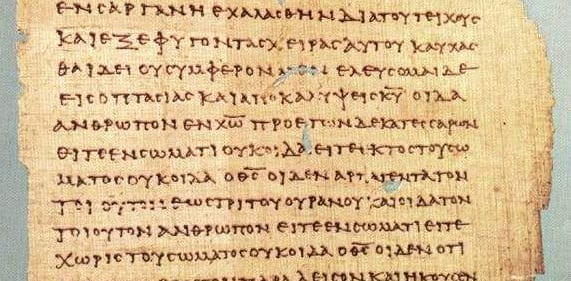
The first in a 4 part series on the Magisterium, or sacred teaching office, of the Catholic Church, explaining the relation between Church authority and biblical authority, and how written documents, even inspired writings of the BIble, require authentic, authoritative interpretation....
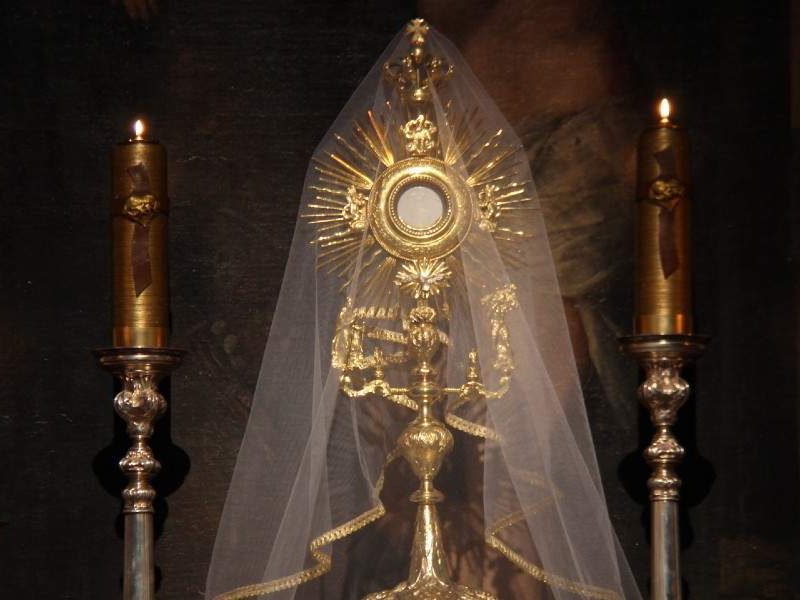
Ambrose, speaking to newly baptized Christians in the fourth century, shows how the reality of the eucharist is the true bread from heaven of which manna was only the symbol and shadow. It is the heavenly banquet set before us on the abundant table...
Speaking to new Christians, about to be baptized, Cyril of Jerusalem urges them to acknowledge their sins and wash themselves clean, to empty themselves so as to be filled with the Holy Spirit, the supernatural seal conveyed through the anointing with sacred chrism following baptism....

Clement of Rome here speaks out against schisms and division in the Church of Corinth at the end of the first century. He makes clear that every effort must be made to restore and preserve unity and brotherly love in the body of Christ....
Clement's letter to the Corinthians, one of the earliest Christian documents after the New Testament writings, is focused on restoring unity and harmony in the church following rebellion against the presbyters of the Corinthian Church. [dropcaps type='normal' font_size='100' color='' background_color='' border_color='']L[/dropcaps]et the man truly possessed by...
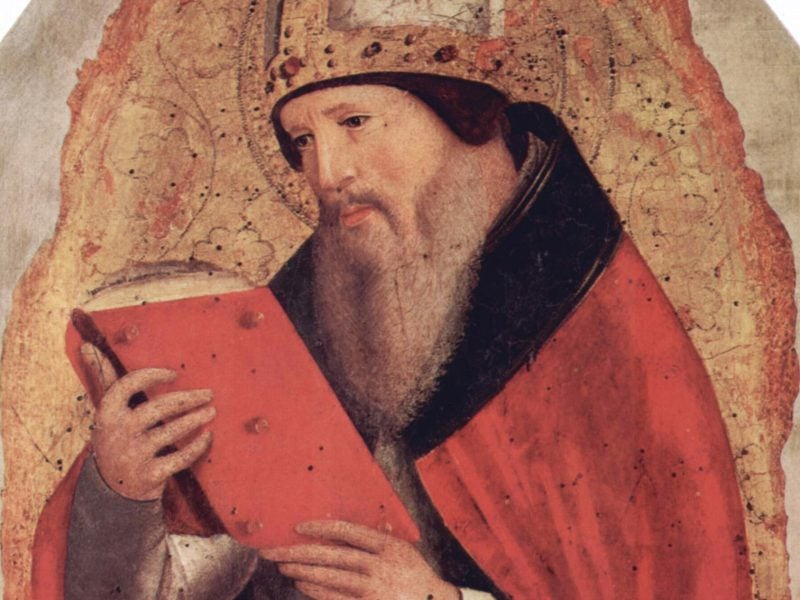
St. Augustine explains how King Solomon was a prototype or symbol of Jesus Christ and how the Jerusalem Temple was likewise an image or figure of the Church. Only those who build with the Lord build up the church effectively. This passage is...

This excerpt from the Didache, provides a fascinating glimpse into how the Eucharist was celebrated by Christians of the late first or early second century....

Augustine shows how, inasmuch as Jesus Christ, the son of God, became man, he himself was the subject of predestination. By divine grace, not by human merits, Jesus was predestined to be of the line of David according to his sacred humanity....

Jerome shows that the living waters & springs for which the deer longs in Psalm 42, is in fact the Trinity. In so doing, he also provides an explanation of what Jesus meant by calling the apostles "fishers of men." ...
Was the divinity of Jesus Christ and the dogma of the Trinity invented by the Roman Emperor Constantine? Here is extensive evidence from the Early Church Fathers before AD 312 for the belief that Jesus was divine,...
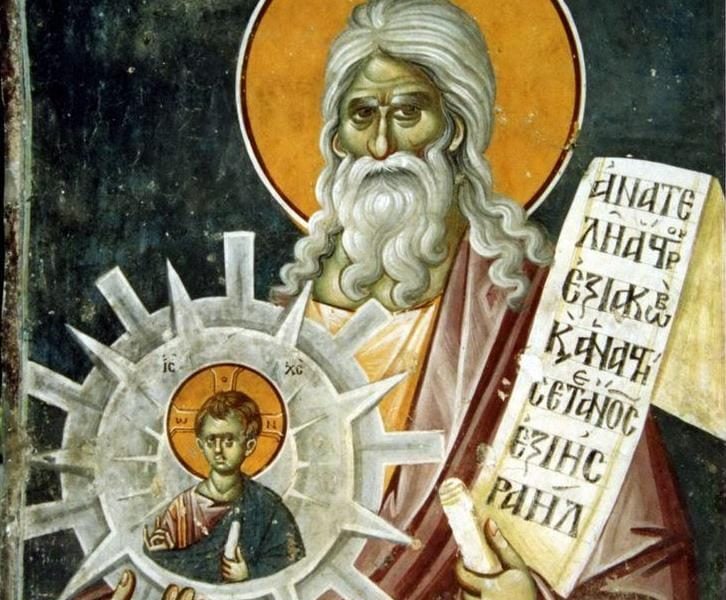
An intro to Hippolytus of Rome whose work, the Apostolic Tradition, reveals intimate details of the life of prayer and worship of the Roman Church in the late second century....
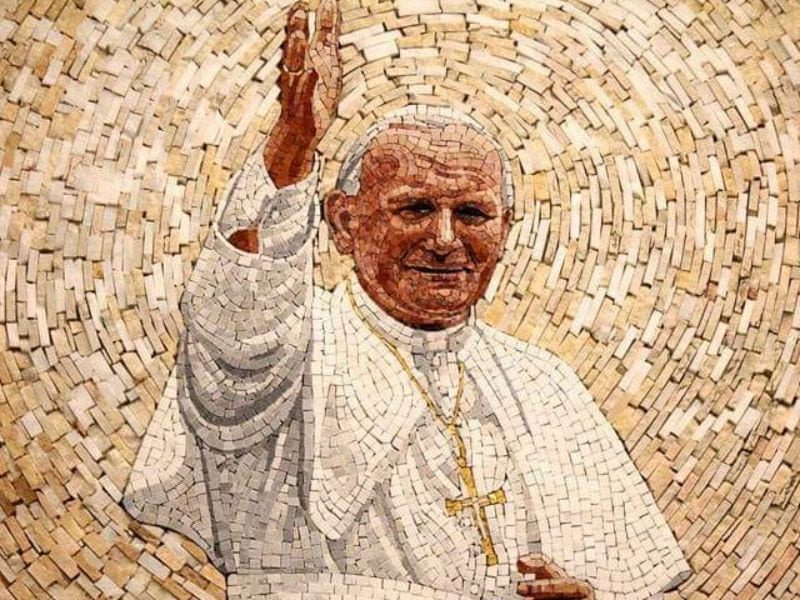
Here are some quotes from John Paul II demonstrating that Catholic Christianity is a matter of a personal, living relationship with our Lord and Savior, Jesus Christ – a relationship that is meant to grow ever deeper...
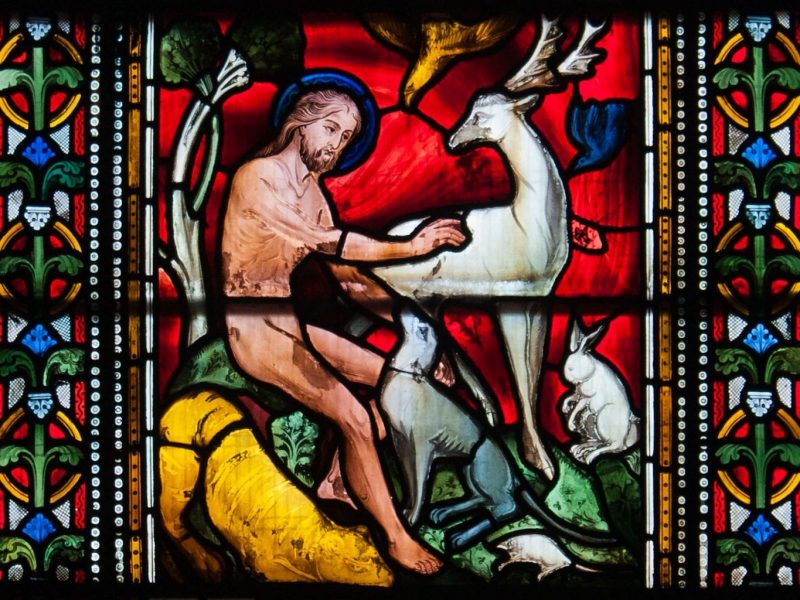
St. Peter Chrysologus contrasts the first, earthly Adam with our Lord Jesus Christ, viewed as the second, last Adam, the man from heaven....
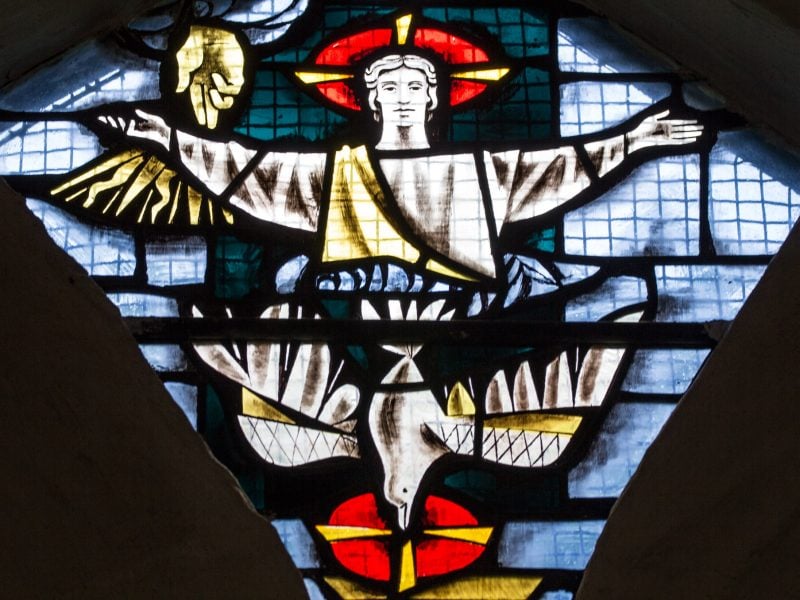
Here Irenaeus comments on Jesus statement in Matthew 11:27 that "no one knows the Son except the Father; and no one knows the Father except the Son, and those to whom the Son has revealed him." The full revelation of God comes in and...

Pope Paul VI was the first Pope we know of since Peter to return to the Holy Land on pilgrimage. While in Nazareth in 1964, he spoke these words about the lessons we can learn from the everyday life of the Holy Family during the...
Here, the fathers of the Second Vatican Council II praise Christ as the Perfect Man, like us in all things but sin. A moving tribute to the true humanity of Jesus Christ, the Word made flesh....
Augustine discusses the true sacrifice of repentance God desires as he explores Psalm 51, David's expression of sorrow for sin. It is a contrite heart and a humble spirit over our own sin rather than indignation over the sins of others that pleases the...

Maximus the Confessor on the Mystery of the Divine Incarnation. [dropcaps type='normal' font_size='100' color='' background_color='' border_color='']T[/dropcaps]he Word of God, born once in the flesh (such is his kindness and his goodness), is always willing to be born spiritually in those who desire him. In them he...
A lyrical tribute to the wonder and mystery of the Incarnation by Gregory of Nazianzen. He shows that the first step in the work of atonement between God and man is taken when the Divine Word, the eternal Son of God, unites his divinity...
[dropcaps type='normal' font_size='100' color='' background_color='' border_color='']D[/dropcaps]estroy this temple and in three days I will raise it up. It seems to me that Jesus meant the Jews in this episode to stand for sensual men and those desirous of carnal and sensual things. These Jews were angry...
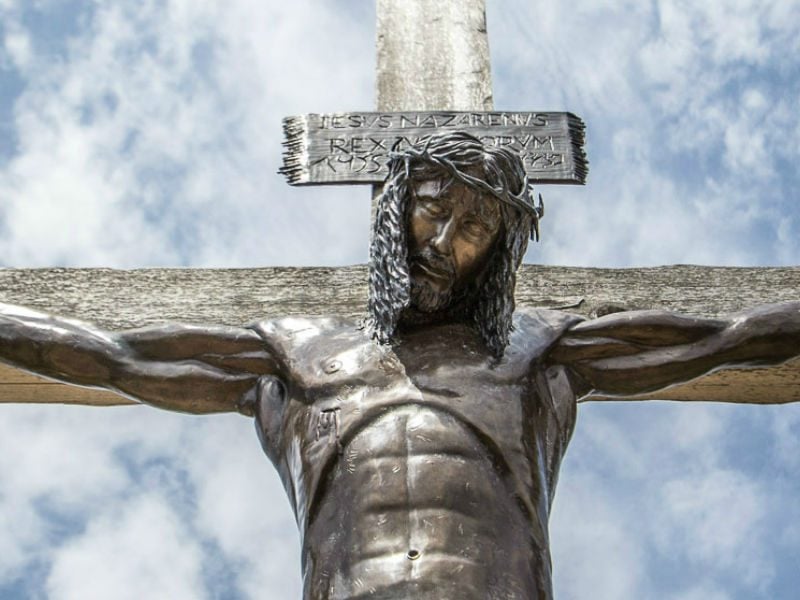
The Messianic Secret -- why does Jesus not want the word to get out that he is the Messiah?? Could it have something to do with the cross and the enigma that the only way to find yourself is to lose yourself?...
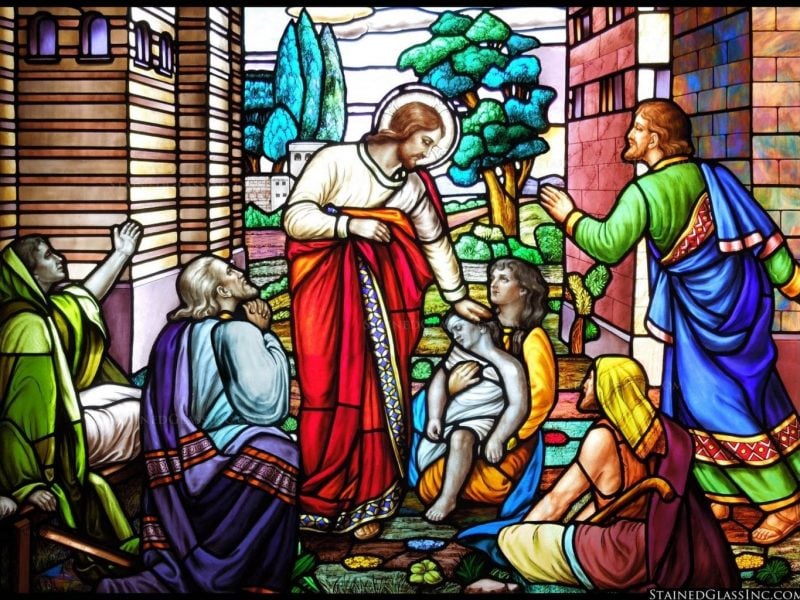
Gregory of Nyssa on St. Paul's intimate knowledge of his Lord, Jesus Christ, expressed in a multitude of descriptive titles for him that provides great food for Christian Meditation. The honor of sharing in Jesus' primary title, Christ, should impel Christians to imitate him...
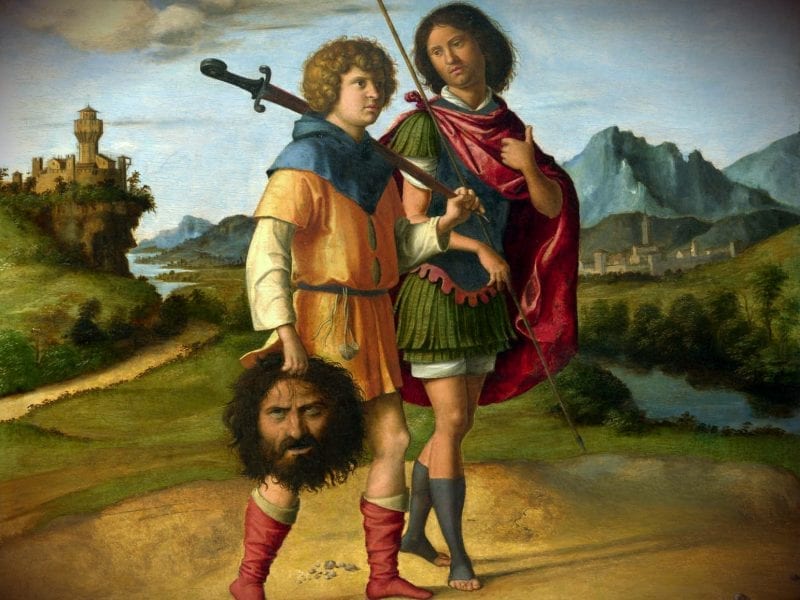
Aelred, a medieval abbot, here discusses the nature of true spiritual friendship as modeled by Jonathan's loyalty to his friend David, despite his father Saul's attempt to use jealousy and envy to divide them. [dropcaps type='normal' font_size='100' color='' background_color='' border_color='']T[/dropcaps]hat outstanding youth, Jonathan, son of King...
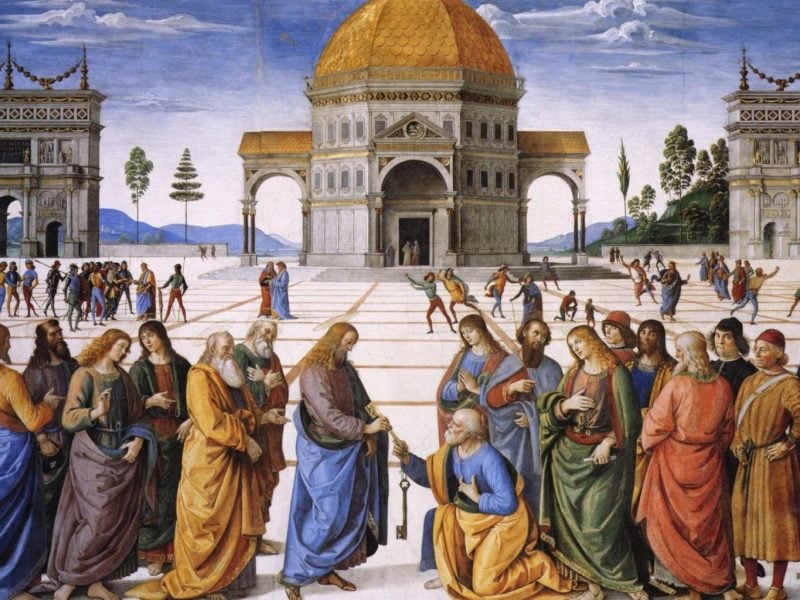
Henri de Lubac, one of the great Catholic theologians of the 20th Century, made great contributions to the documents of the Second Vatican Council. Here is an essay by him on the Church as a paradox and mystery. [dropcaps type='normal' font_size='100' color='' background_color='' border_color='']I[/dropcaps]n his journeying...

Augustine show that those who are drawn by desire to Christ are attracted by their spiritual palate, by delight in the wisdom, justice, truth and eternal life to be found fully in Jesus....
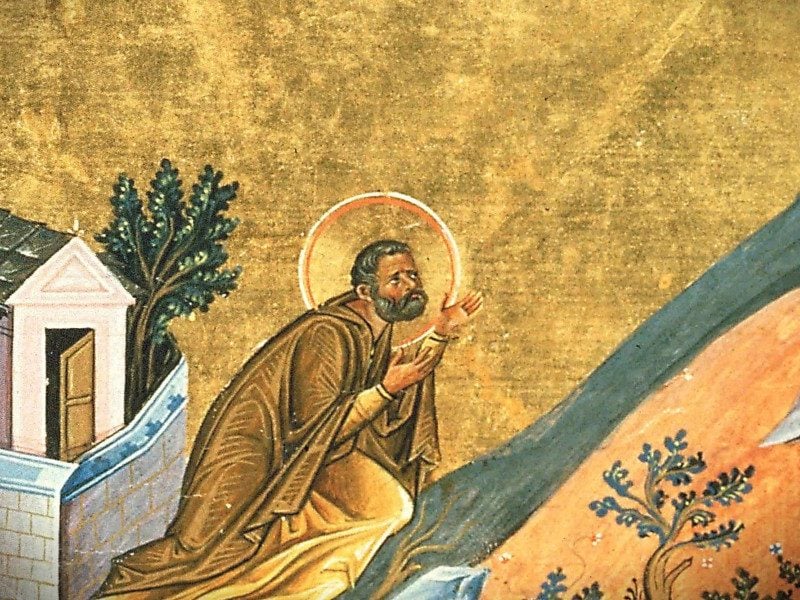
In this excerpt from his work On the Incarnation, St. Athanasius says that the Word of God entered our world and assumed a body so that he could die for us, so great is his loving kindness. It is read by the Church on the...
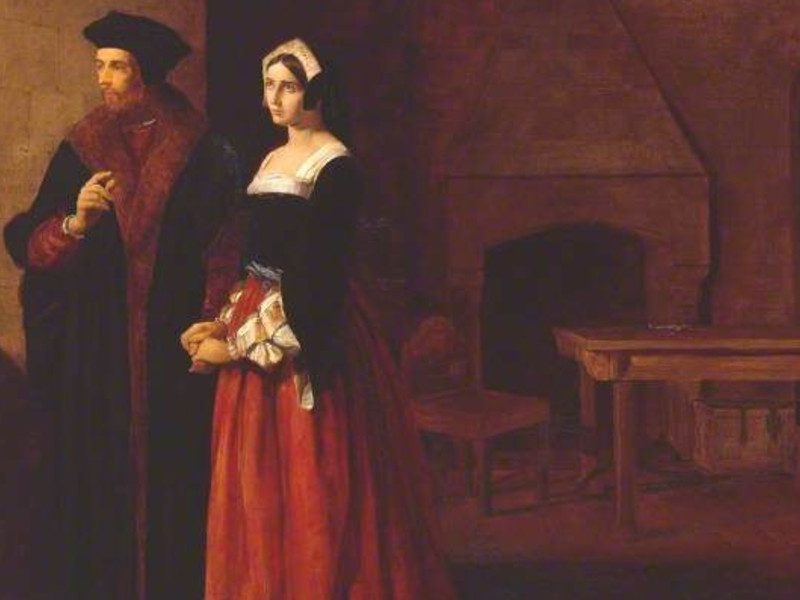
This Letter was written by St. Thomas More to his daughter Margaret (Meg) from his cell in the Tower of London where he had been imprisoned by King Henry VIII. Soon after writing this Letter, Thomas was condemned to death on trumped up charges....

In this third and final episode of Ascension Rountable's Podcast Series on the New Evangelization, Dr. Marcellino D’Ambrosio (aka Dr. Italy) provides further practical suggestions on a key feature of successful evangelization - hospitality....
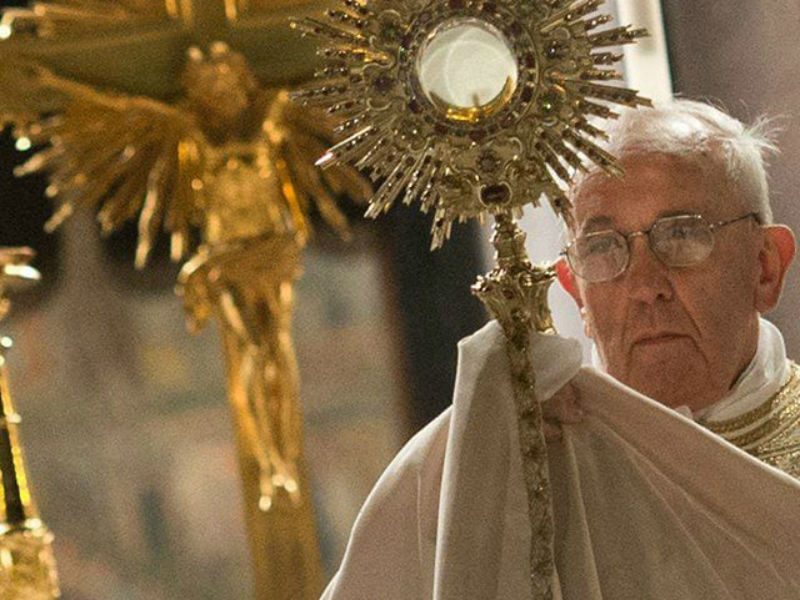
The Mass . . . the Eucharist . . . the Lord's Supper . . . the Blessed Sacrament . . . holy communion . . . transubstantiation -- what Catholics have believed and taught about this awesome reality, by whatever name it is called,...
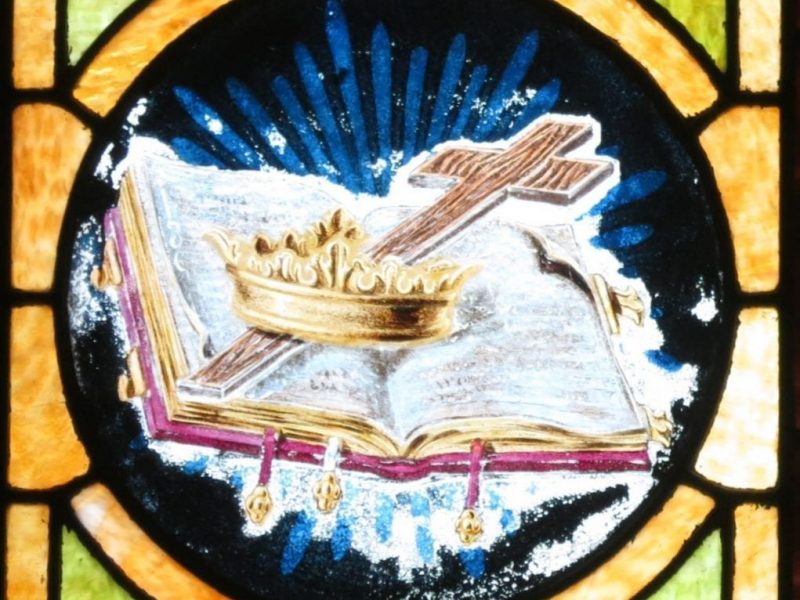
The letter of Pope Leo to Flavian, bishop of Constantinople, about Eutyches Commonly known as the "Tome of Leo" In the first half of the 5th century, the great doctrinal controversies in the Christian world all revolved around the divinity and humanity of Christ and how these...
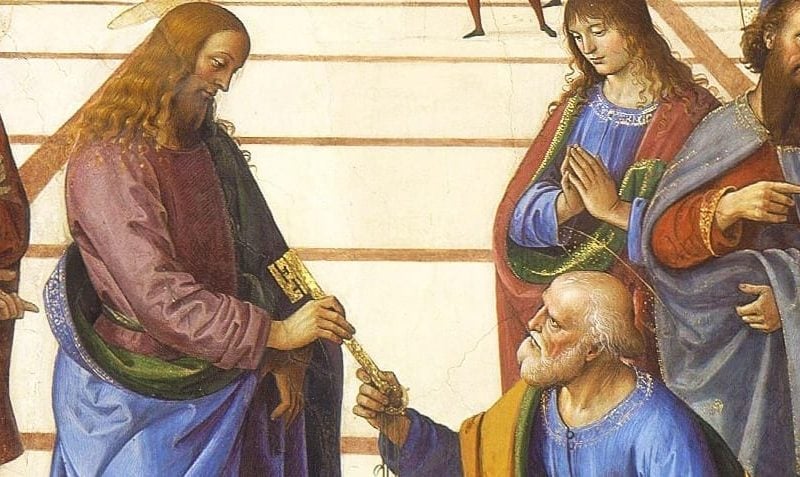
What should be our response to teaching of the Magisterium that is not necessarily infallible? Are Catholics free in these cases to dissent from the teaching of the Church? 4th in a series on the Magisterium....
This excerpt from the Second Vatican Council's Dogmatic Constitution on Divine Revelation (Dei Verbum) chapter II paragraphs 7-10 treats of the nature and purpose of Tradition as a vehicle for the transmission of Divine Revelation. It also addresses he role of the Magisterium (Episcopal Teaching...
The first thing that the Pope wants to establish is the focus and framework of his teaching and his entire Pontificate. It is all about love. But the Pope wants to distinguish the romantic or erotic love of “eros” from the divine love called “agape”...
Benedict XVI has published his first encyclical, Deus Caritas Est, God is love. Why did he write it? Why did he choose this theme? What was his intention? The Holy Father responds to these questions, addressed to him by Zenit.org, in the following words which...
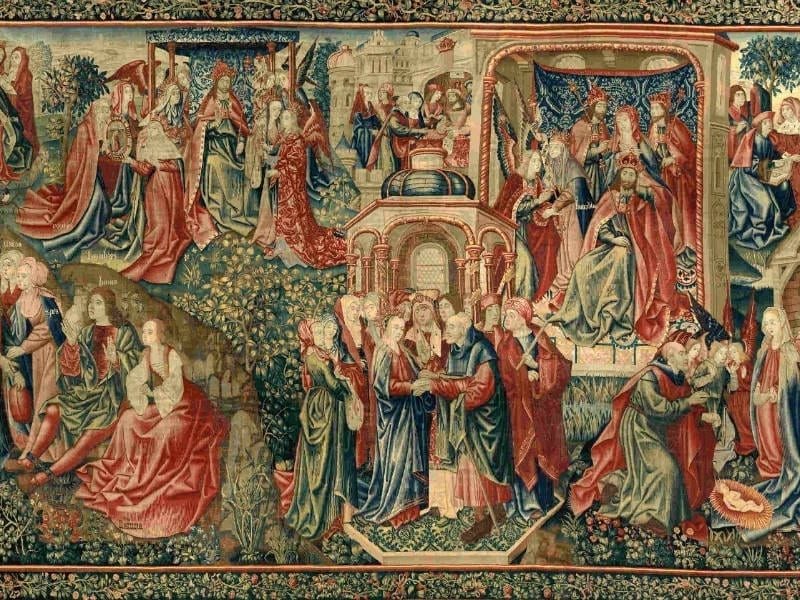
Predestination, free will, faith and grace are some of the most controversial doctrines in the history of Christianity. Are some destined to accept Christ and others predestined to reject him and go to hell? Does our ultimate salvation depend upon God's grace or upon our...
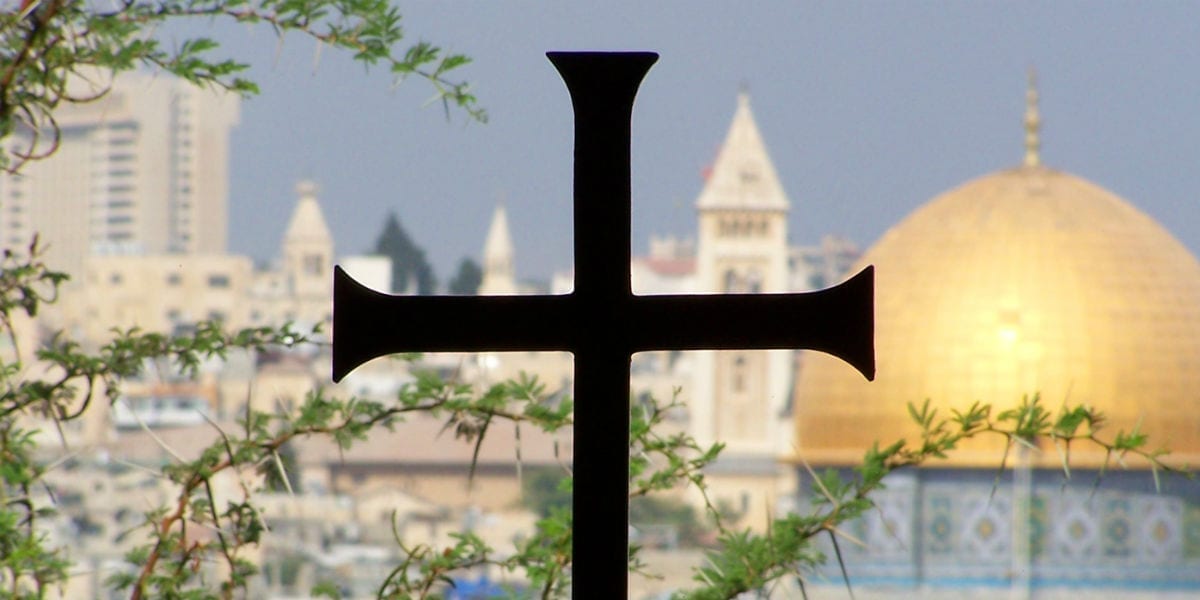
A podcast in which host Sonrise Morning show host Matt Swaim asks Dr. Italy some interesting questions about Dr. Italy's recent pilgrimage to the Holy Land, following the footsteps of Jesus....
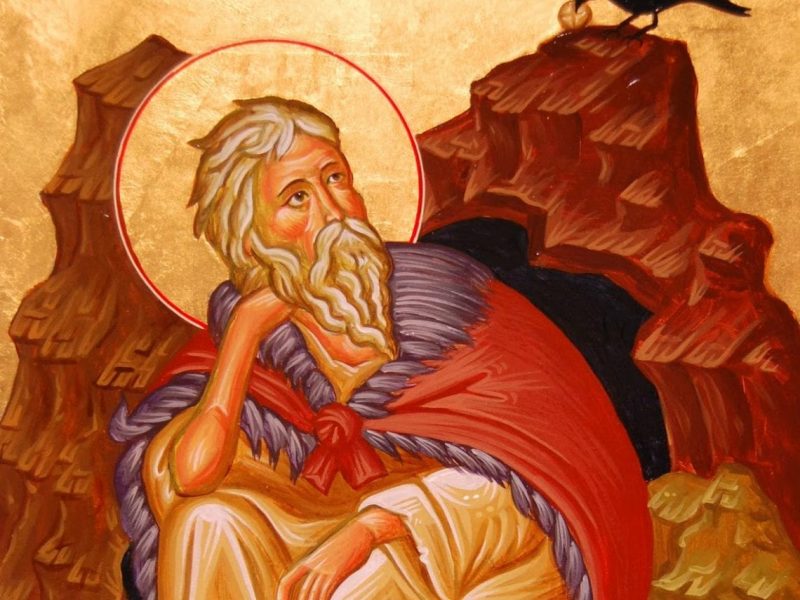
This excerpt from an festal letter by Saint Athanasius, bishop of Alexandria in the 4th century, emphasizes the proper spiritual preparation for the feast of Easter. We must purify ourselves for the worthy celebration of the festival, which is better commemorated by deeds than...
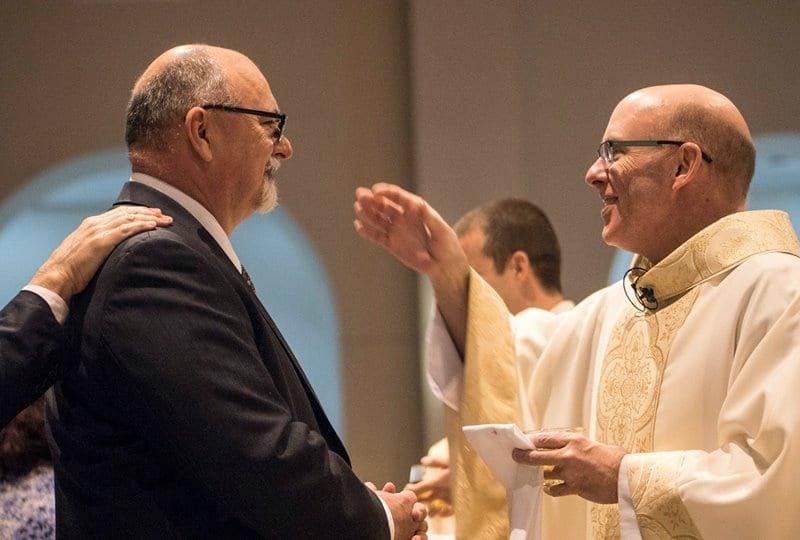
The role of the charisms and gifts of the Holy Spirit spoken of by Paul in Corinthians in the sacrament of Confirmation and the Christian Life in general, along with the prophetic & charismatic anointing to participate in the New Evangelization....

This Holy week reading on imitating Christ's death by being buried with him through baptism amplifies St. Paul's words in Romans 6:11 that in the sacrament of baptism we are baptized into Christ's death, being buried as it were with him under the saving waters...
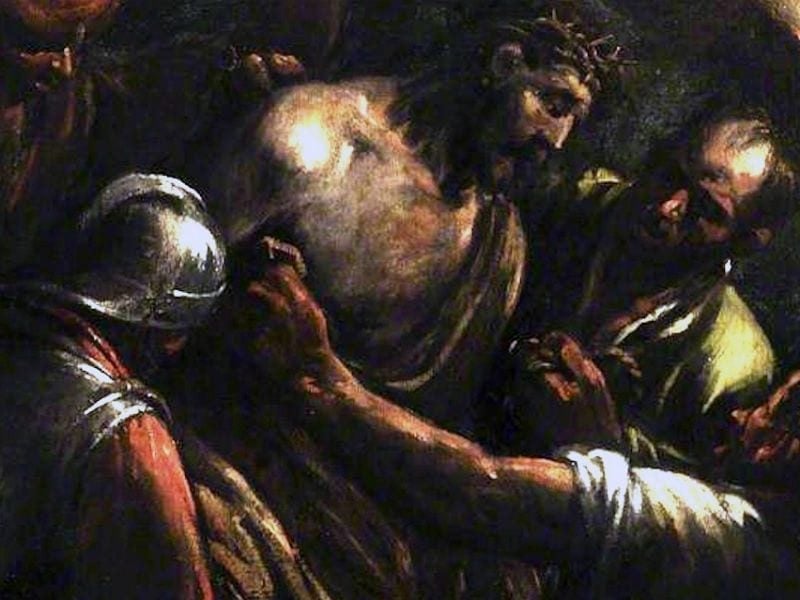
Saint Jerome on the nature of true repentance and the gracious mercy of God, our loving Father....

Mercy, says Gregory of Zanianzen, is by no means the least of the beatitudes. It is what Christ has asked for rather than sacrifice; he asks us to show him mercy by showing mercy to the poor....
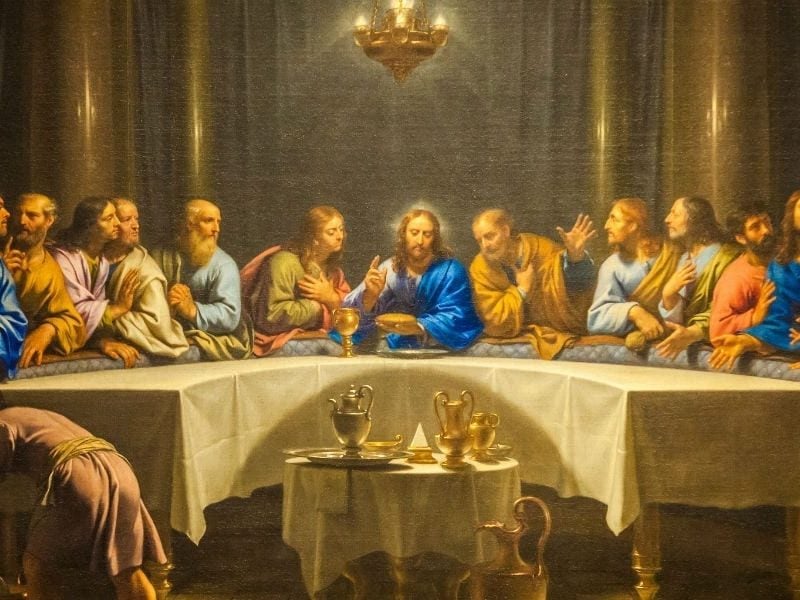
St. Augustine here speaks of Christ's laying down of his life, handed over to us in the Eucharist, as the perfection of love. Augustine's words, written in the early 5th century, are also compelling evidence for the practice and meaning of devotion to the...
The New Evangelization means that even our approach to Lent must change. We need to switch our focus from personal growth to Church growth and "give up" not chocolate, but our fear of sharing the Good News of God's love coming to all people...
This powerfully poetic sermon on the Cross of Christ as the Cosmic Tree was preached during Holy Week in the early church, somewhere around the 5th century, by someone whose name has been lost. It was wrongly attributed to the great preacher St. John Chrysostom....
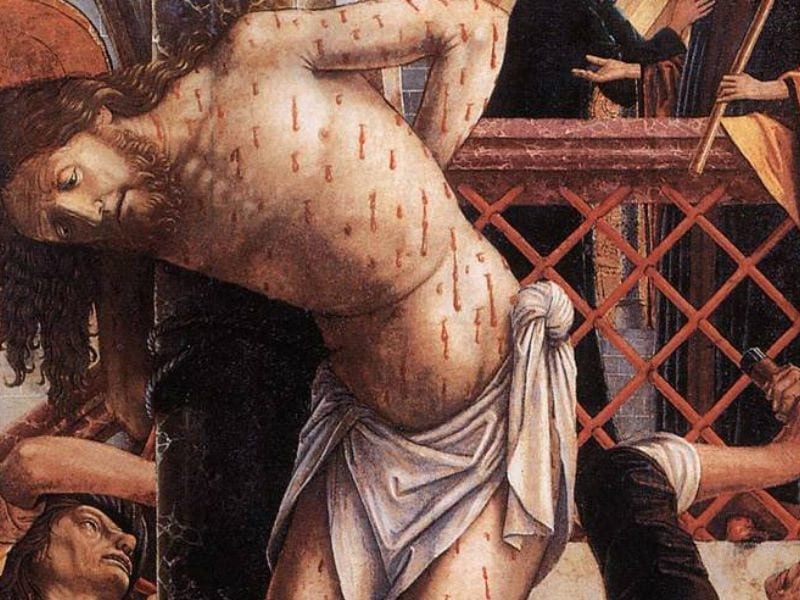
This excerpt from a homily written in the second century by an anonymous Early Church Father speaks of true and sincere repentance of sin. His insistence that we must "keep the seal of our baptism undefiled" shows that the "once saved, always saved" doctrine...
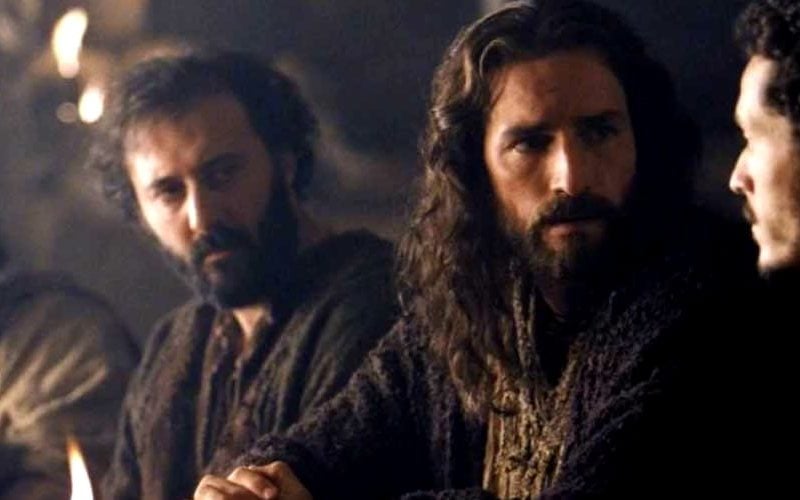
Vatican II and the Word of God: Part III deals with the topic of how tradition and magisterium are interrelated. It comments on Vatican II's Dei Verbum 8-10....
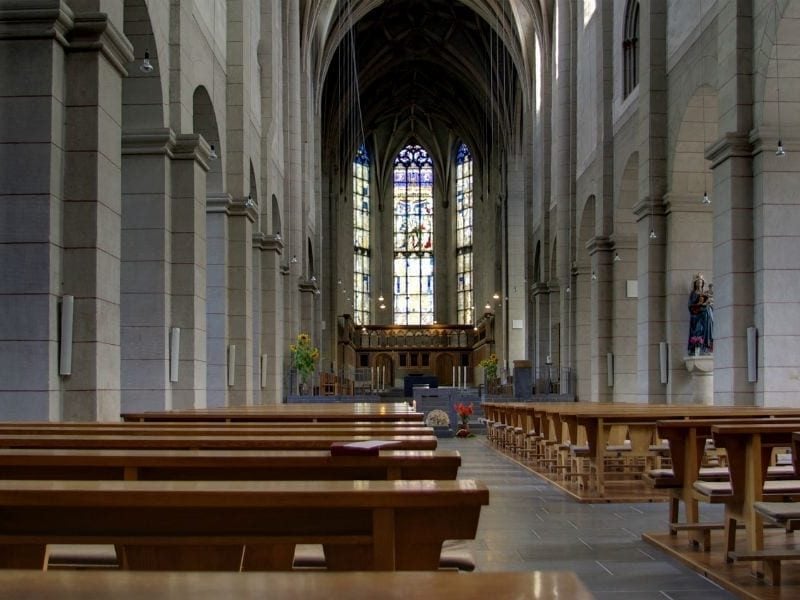
John Chrysostom warns against giving honor to Christ by adorning the Church building to the neglect of the poor and suffering members of Christ's body, the Church in the truest sense. ...
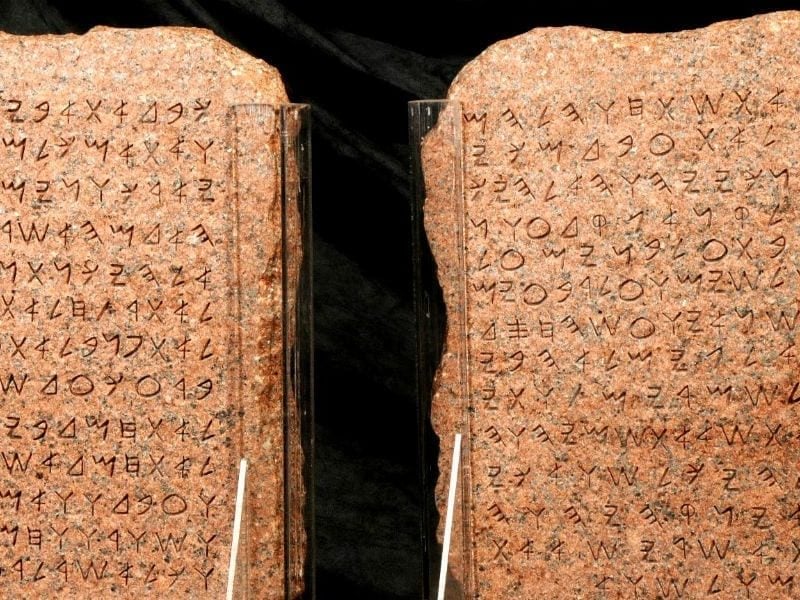
With the coming of the New Covenant, much in the Old Law of Moses is rendered obsolete. But the Ten Commandments, otherwise known as the Decalogue, has eternal value, says St. Irenaeus, because it enshrines justice to God & neighbor....
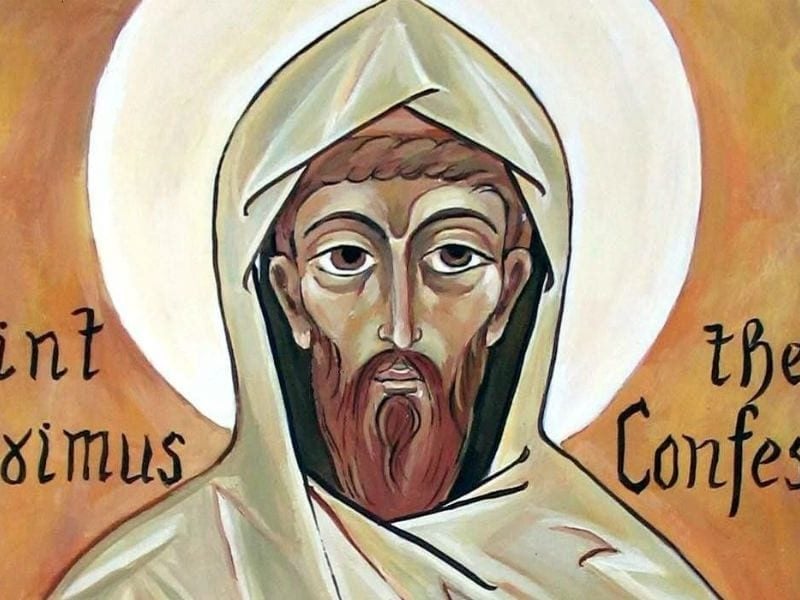
St. Maximus the Confessor here makes clear the nature of true charity or love of God (one of the theological virtues), and affirms that it is not by faith alone that we secure our salvation, but also by a positive act of love of God...
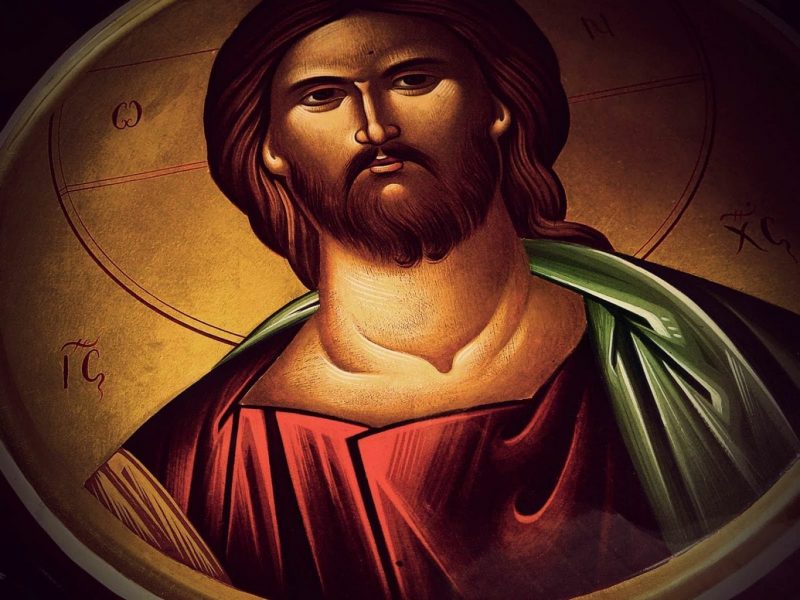
Why must I confess my sins to a priest? Can't I simply go straight to God? These questions about the Catholic Church's sacrament of penance and reconciliation, aka confession, are answered poignantly by Blessed Isaac of Stella, an abbot from the 11th century (Sermo 11:...
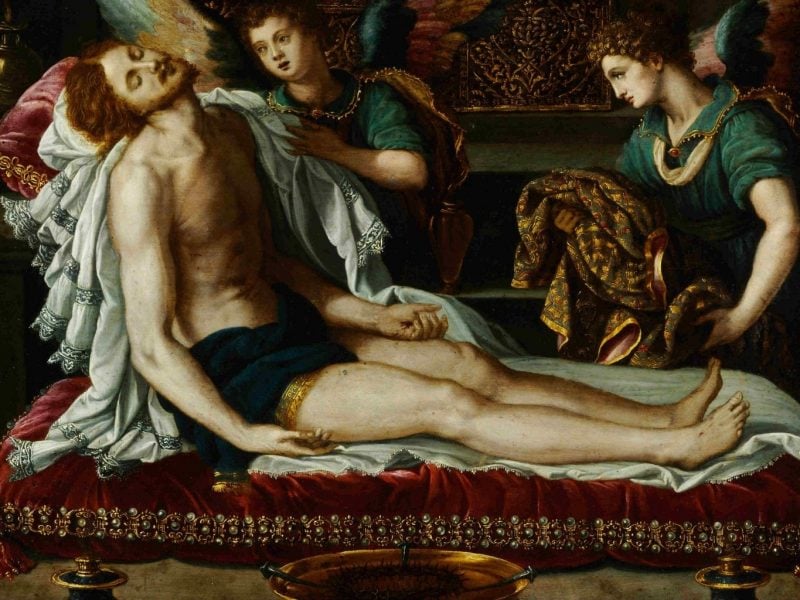
Augustine reflects on the nature of a true sacrifice pleasing to God. Works of mercy and acts of compassion qualify, but the most perfect sacrifice is that of the Whole Body of Christ, head and members (Totus Christus), which is offered to God in every...

Augustine describes the theological virtue of hope in terms of expanding the desire of our hearts to see God face to face, stretching the capacity of our souls to contain more of the fullness of his presence....

From a letter by Tertullian, an Early Church Father, to his wife, ca. 202 AD, illustrating the great esteem for the sacrament of holy marriage in the days of the early Catholic Church....
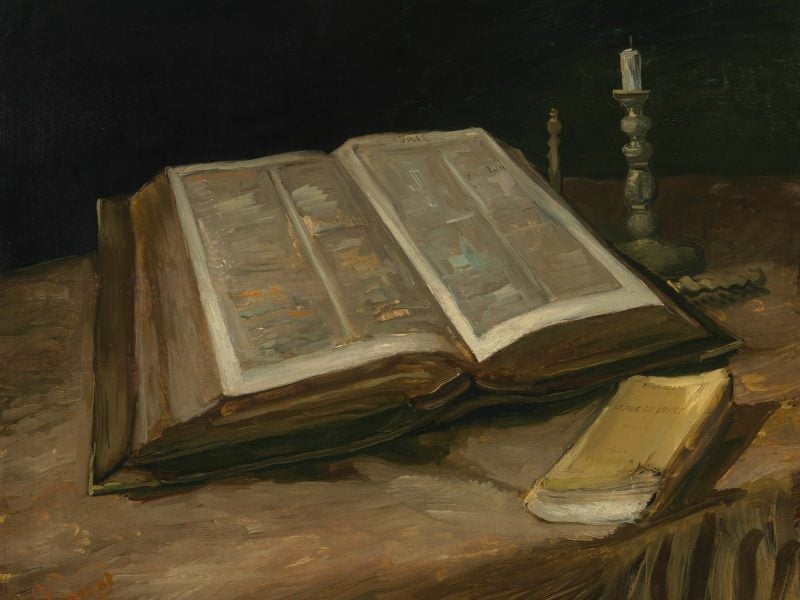
St. Ephrem testifies to the rich, inexhaustible treasure that is the Sacred Scriptures. The Bible is like a Spring which never runs dry, which always has the ability to satisfy our thirst for God and his truth...
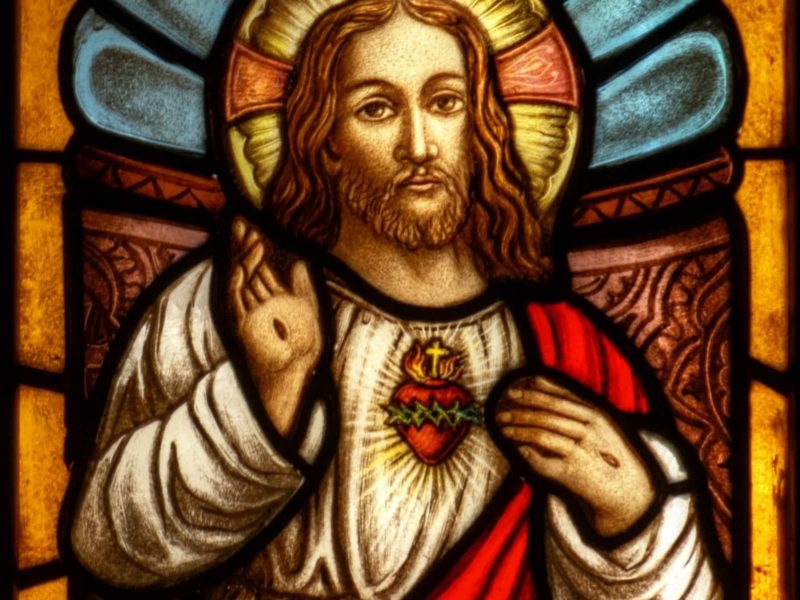
Isaac of Stella on Paul's exhortation in Galatians 6:2 to "Bear one another’s burdens and so fulfill the law of Christ." Charity is characterized by compassion, patience, and forbearance. To forebear the weaknesses and faults of others is a hallmark of divine love. [dropcaps type='normal' font_size='65'...