St. John Paul II, St. Maximilian Kolbe, & the Blessed Mother – Video
In this brief video by Sherwood Fellows the key themes of Lent are explored - th...
 Dr. Italy
In this brief video by Sherwood Fellows the key themes of Lent are explored - th...
In this 8 minute video, Marcellino D’Ambrosio, Ph.D. (Dr. Italy) shares so...
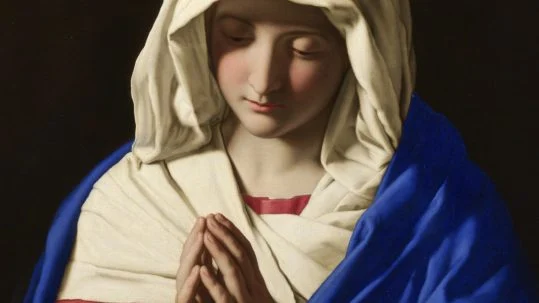
Saint Andrew of Crete on the nativity of Mary as a turning point between old and new covenant, the frontier where types and symbols give way to realit...
The parable of the merciless servant illustrates the meaning of "forgive us our trespasses as we forgive those who trespass against us," a petition i...

September 11th is the anniversary of one of most brutal acts of terrorism of all time. Three days later, on September 14, the Catholic and Eastern Or...


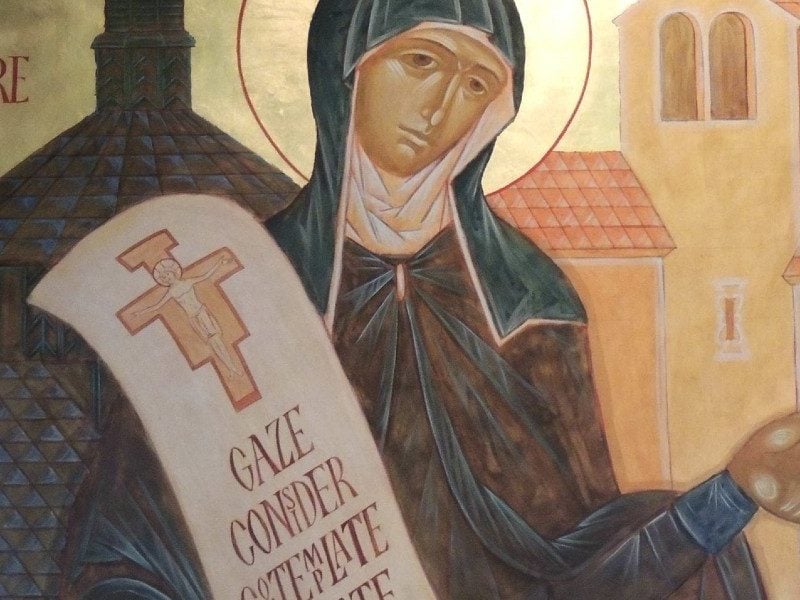
St. Clare is remembered in the liturgy of the Church on August 11. Inspired by her neighbor, Francis of Assisi and under his direction, she founded an order of nuns commonly called the “Poor Clares.” Though she lived a cloistered, contemplative life in the...
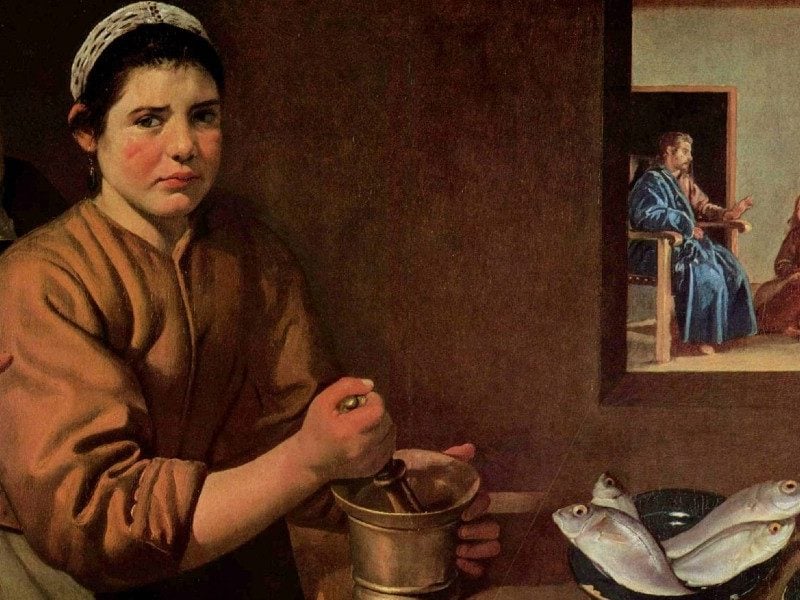
All Christians, even the busiest among us, are called to contemplative, even mystical, prayer. Here are a few tips on how to experience contemplation even in the midst of action....
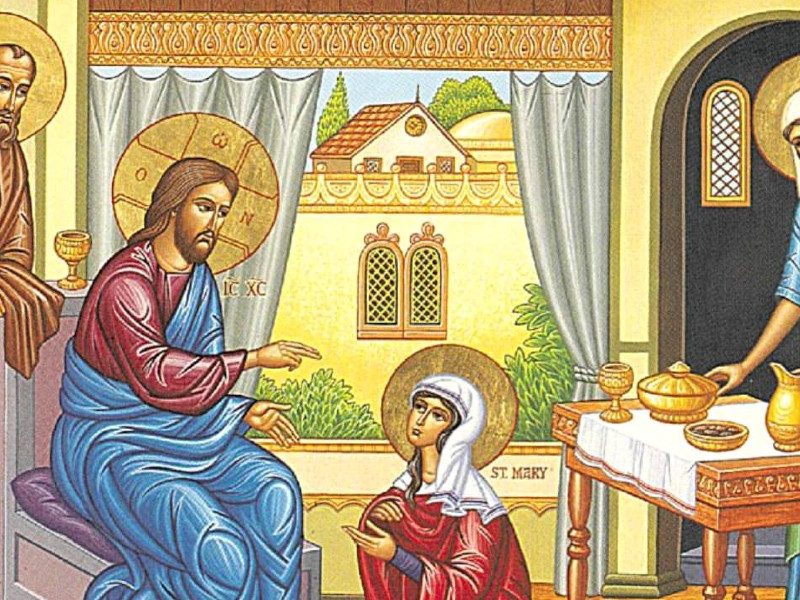
Bruno of Segni considers Jesus' visit to the home of Martha and Mary in Bethany (Luke 10) as a lesson on the difference between the contemplative and active life....
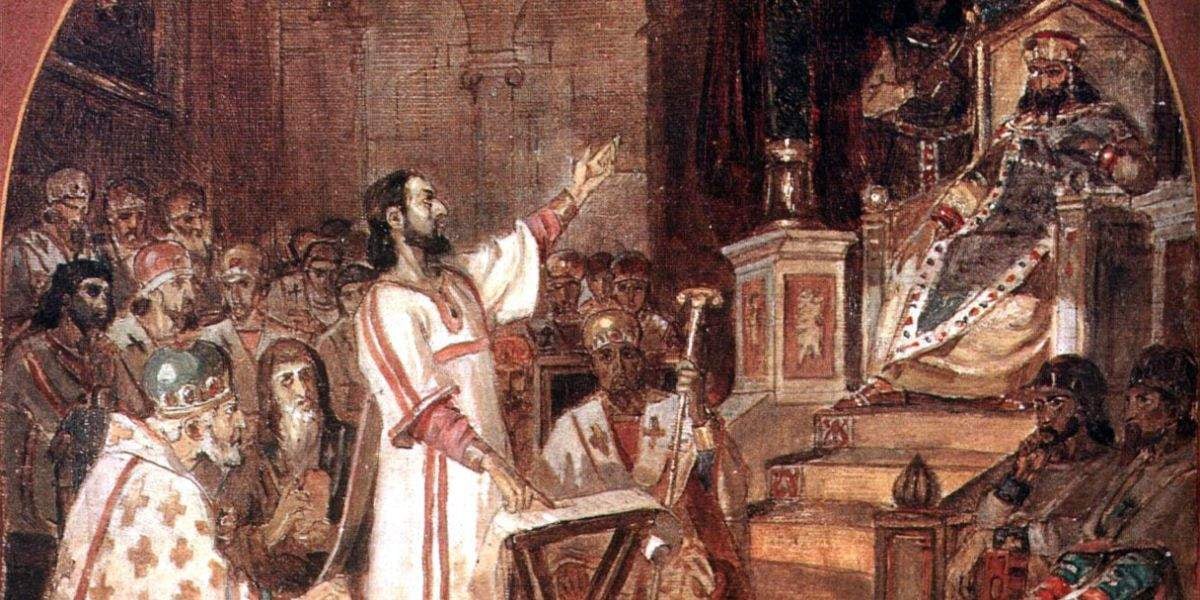
What makes a particular Church Council Ecumenical? How many have fit this definition down through history, and what is their importance and authority? The Catholic and Orthodox Churches have related but somewhat different answers to these questions....
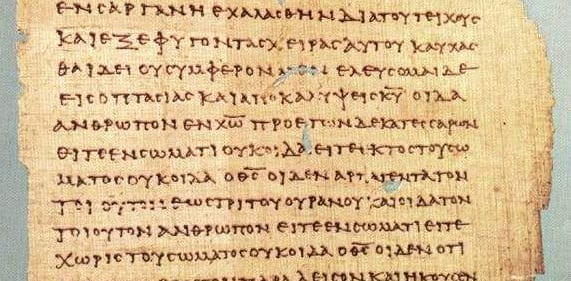
The first in a 4 part series on the Magisterium, or sacred teaching office, of the Catholic Church, explaining the relation between Church authority and biblical authority, and how written documents, even inspired writings of the BIble, require authentic, authoritative interpretation....
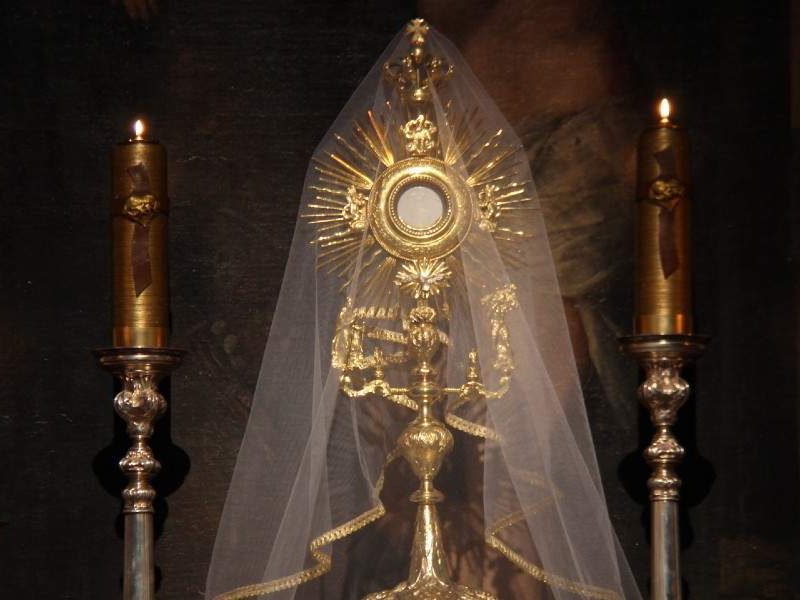
Ambrose, speaking to newly baptized Christians in the fourth century, shows how the reality of the eucharist is the true bread from heaven of which manna was only the symbol and shadow. It is the heavenly banquet set before us on the abundant table...
Speaking to new Christians, about to be baptized, Cyril of Jerusalem urges them to acknowledge their sins and wash themselves clean, to empty themselves so as to be filled with the Holy Spirit, the supernatural seal conveyed through the anointing with sacred chrism following baptism....

Clement of Rome here speaks out against schisms and division in the Church of Corinth at the end of the first century. He makes clear that every effort must be made to restore and preserve unity and brotherly love in the body of Christ....
Clement's letter to the Corinthians, one of the earliest Christian documents after the New Testament writings, is focused on restoring unity and harmony in the church following rebellion against the presbyters of the Corinthian Church. [dropcaps type='normal' font_size='100' color='' background_color='' border_color='']L[/dropcaps]et the man truly possessed by...
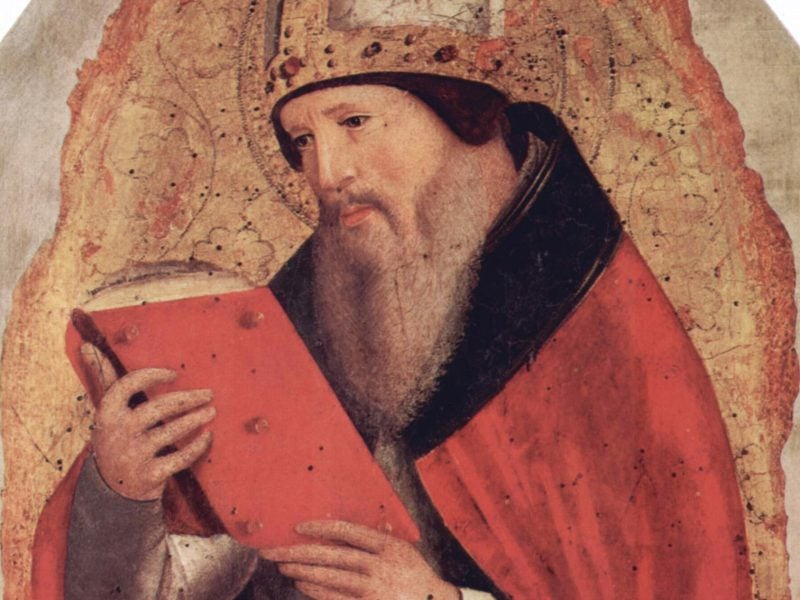
St. Augustine explains how King Solomon was a prototype or symbol of Jesus Christ and how the Jerusalem Temple was likewise an image or figure of the Church. Only those who build with the Lord build up the church effectively. This passage is...

This excerpt from the Didache, provides a fascinating glimpse into how the Eucharist was celebrated by Christians of the late first or early second century....

Augustine shows how, inasmuch as Jesus Christ, the son of God, became man, he himself was the subject of predestination. By divine grace, not by human merits, Jesus was predestined to be of the line of David according to his sacred humanity....

Jerome shows that the living waters & springs for which the deer longs in Psalm 42, is in fact the Trinity. In so doing, he also provides an explanation of what Jesus meant by calling the apostles "fishers of men." ...
Was the divinity of Jesus Christ and the dogma of the Trinity invented by the Roman Emperor Constantine? Here is extensive evidence from the Early Church Fathers before AD 312 for the belief that Jesus was divine,...
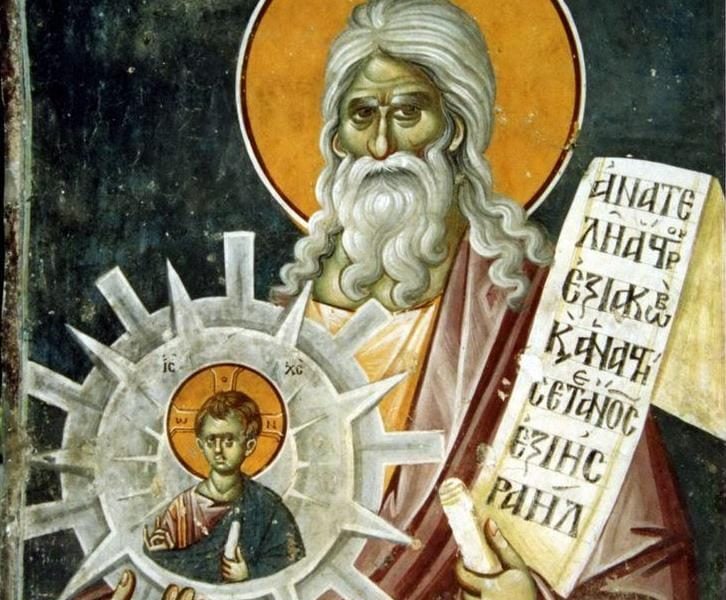
An intro to Hippolytus of Rome whose work, the Apostolic Tradition, reveals intimate details of the life of prayer and worship of the Roman Church in the late second century....
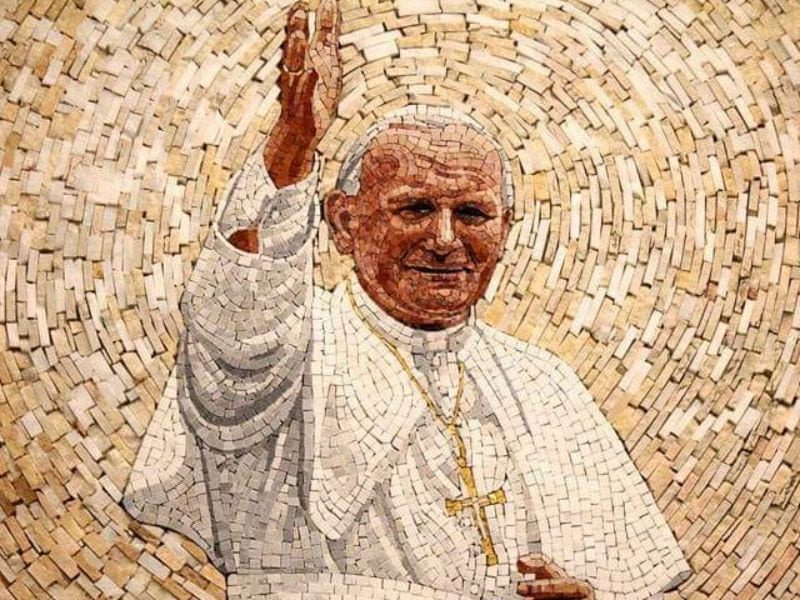
Here are some quotes from John Paul II demonstrating that Catholic Christianity is a matter of a personal, living relationship with our Lord and Savior, Jesus Christ – a relationship that is meant to grow ever deeper...
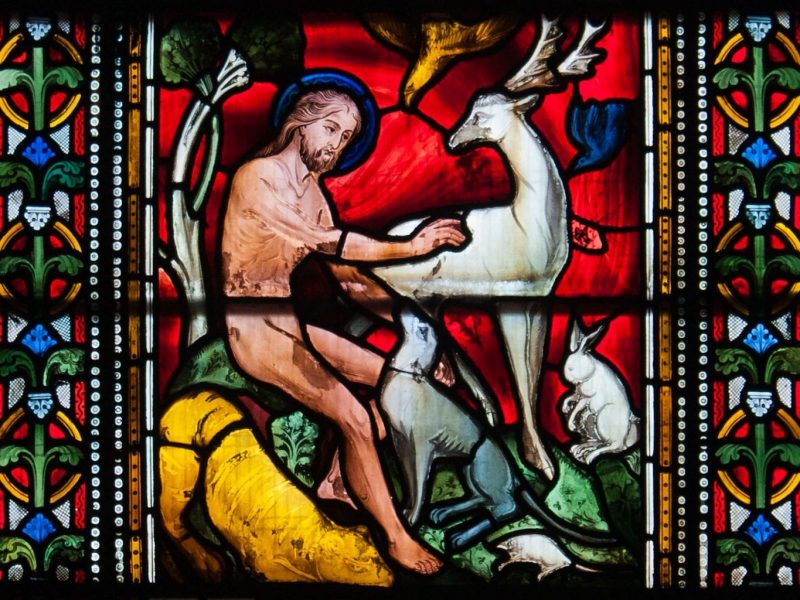
St. Peter Chrysologus contrasts the first, earthly Adam with our Lord Jesus Christ, viewed as the second, last Adam, the man from heaven....
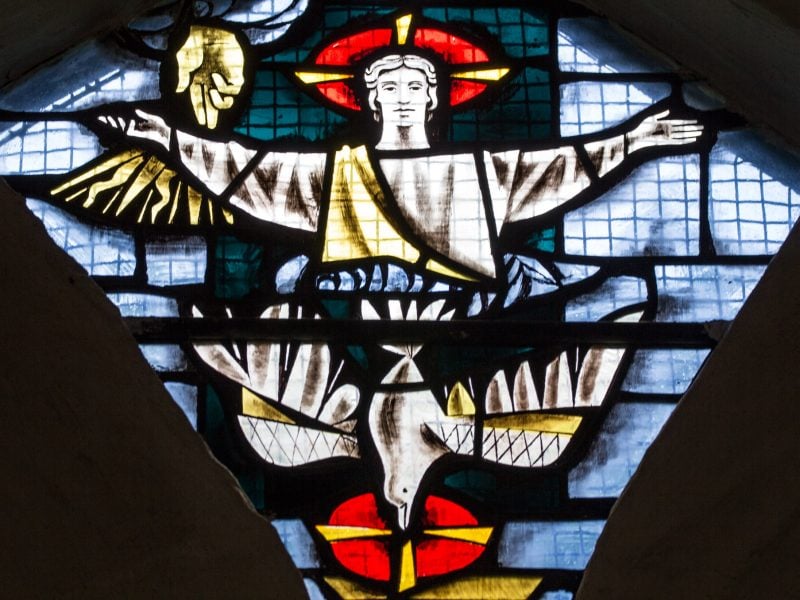
Here Irenaeus comments on Jesus statement in Matthew 11:27 that "no one knows the Son except the Father; and no one knows the Father except the Son, and those to whom the Son has revealed him." The full revelation of God comes in and...

Pope Paul VI was the first Pope we know of since Peter to return to the Holy Land on pilgrimage. While in Nazareth in 1964, he spoke these words about the lessons we can learn from the everyday life of the Holy Family during the...
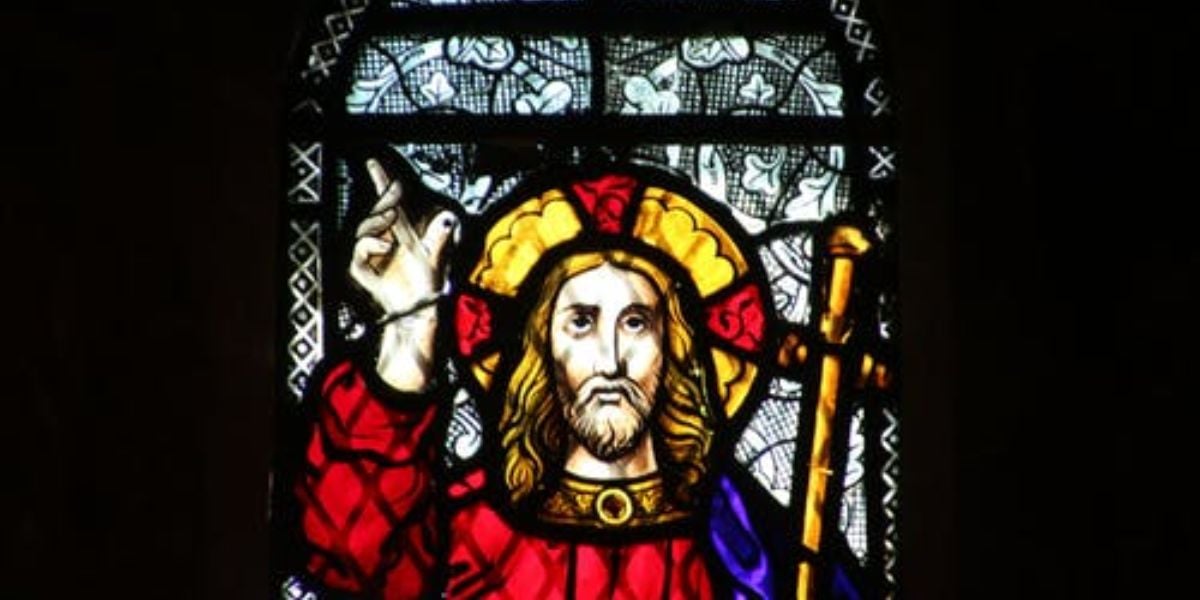
Here, the fathers of the Second Vatican Council II praise Christ as the Perfect Man, like us in all things but sin. A moving tribute to the true humanity of Jesus Christ, the Word made flesh....
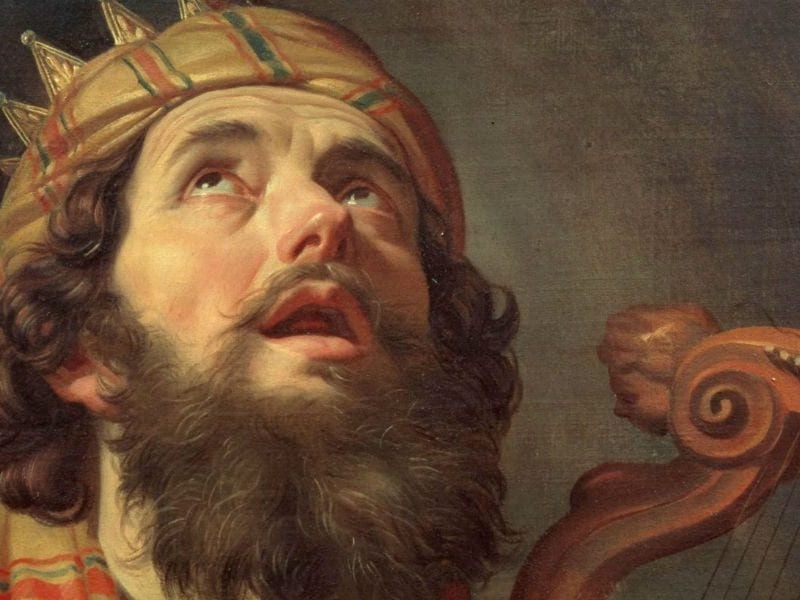
Augustine discusses the true sacrifice of repentance God desires as he explores Psalm 51, David's expression of sorrow for sin. It is a contrite heart and a humble spirit over our own sin rather than indignation over the sins of others that pleases the...

Maximus the Confessor on the Mystery of the Divine Incarnation. [dropcaps type='normal' font_size='100' color='' background_color='' border_color='']T[/dropcaps]he Word of God, born once in the flesh (such is his kindness and his goodness), is always willing to be born spiritually in those who desire him. In them he...
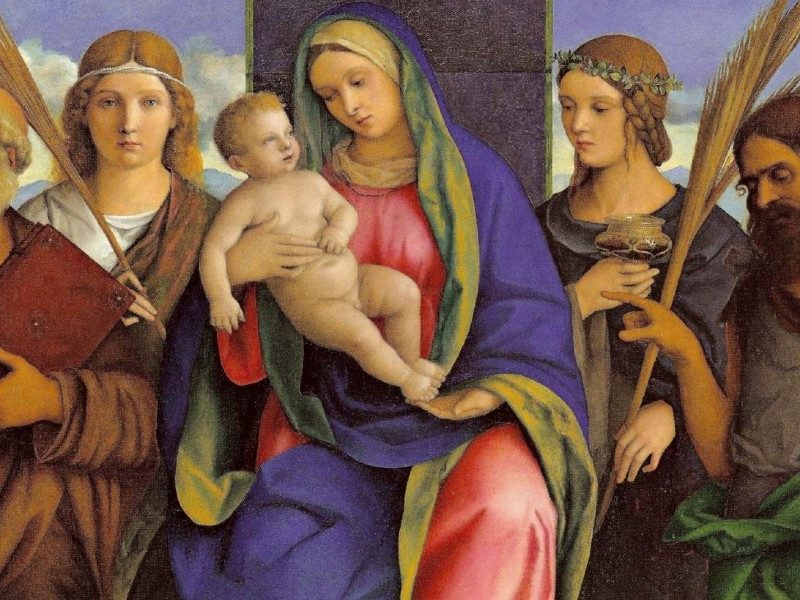
A lyrical tribute to the wonder and mystery of the Incarnation by Gregory of Nazianzen. He shows that the first step in the work of atonement between God and man is taken when the Divine Word, the eternal Son of God, unites his divinity...
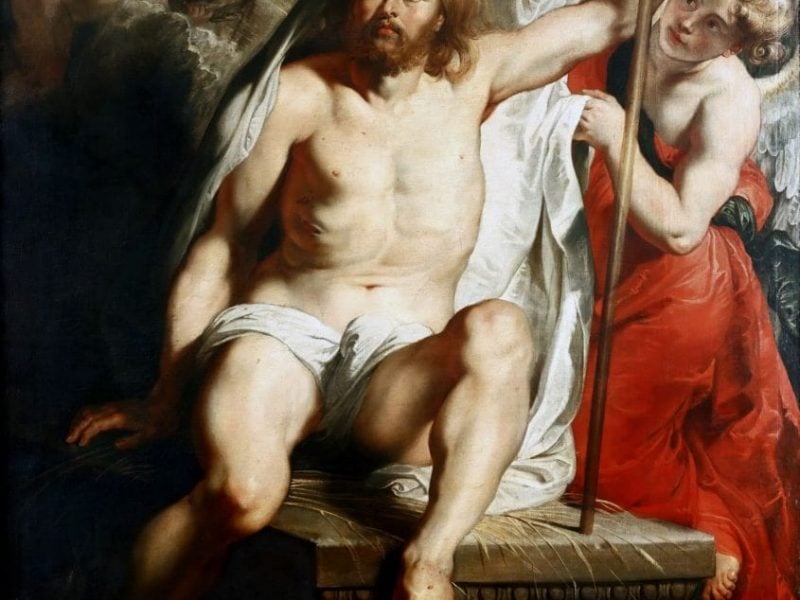
[dropcaps type='normal' font_size='100' color='' background_color='' border_color='']D[/dropcaps]estroy this temple and in three days I will raise it up. It seems to me that Jesus meant the Jews in this episode to stand for sensual men and those desirous of carnal and sensual things. These Jews were angry...
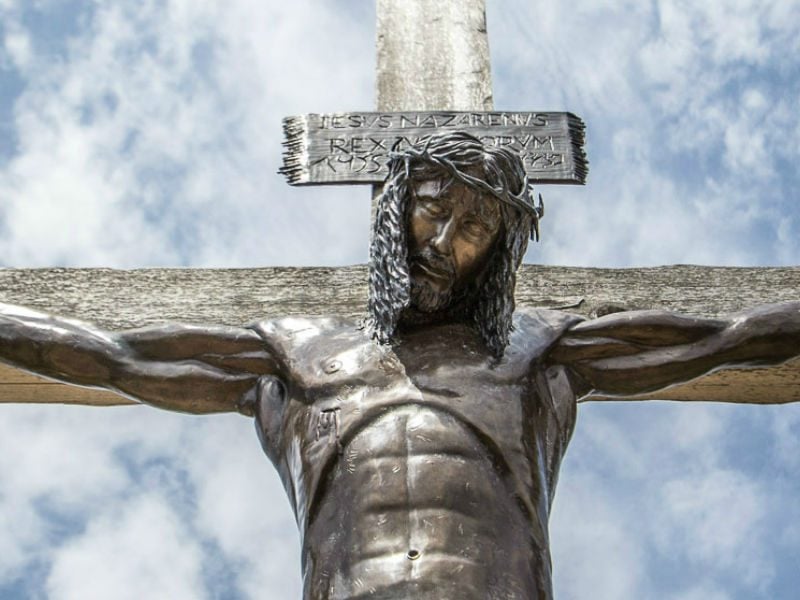
The Messianic Secret -- why does Jesus not want the word to get out that he is the Messiah?? Could it have something to do with the cross and the enigma that the only way to find yourself is to lose yourself?...
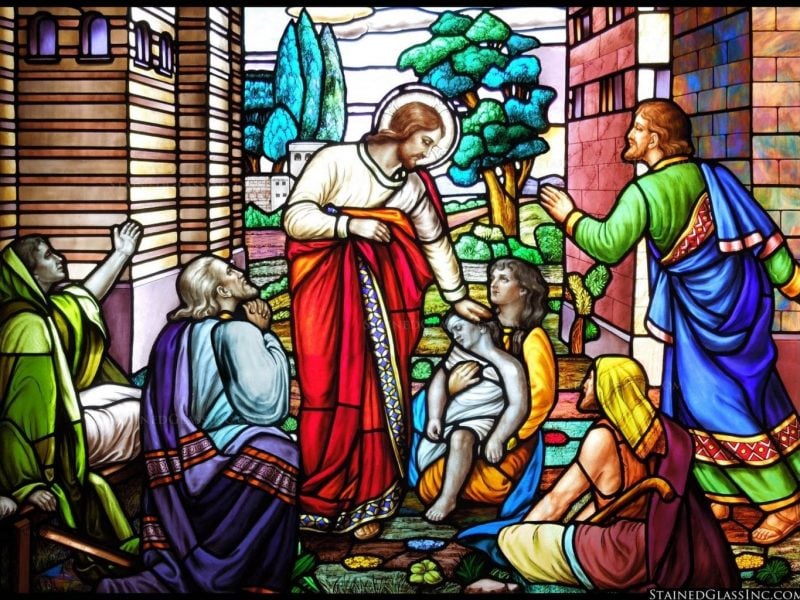
Gregory of Nyssa on St. Paul's intimate knowledge of his Lord, Jesus Christ, expressed in a multitude of descriptive titles for him that provides great food for Christian Meditation. The honor of sharing in Jesus' primary title, Christ, should impel Christians to imitate him...
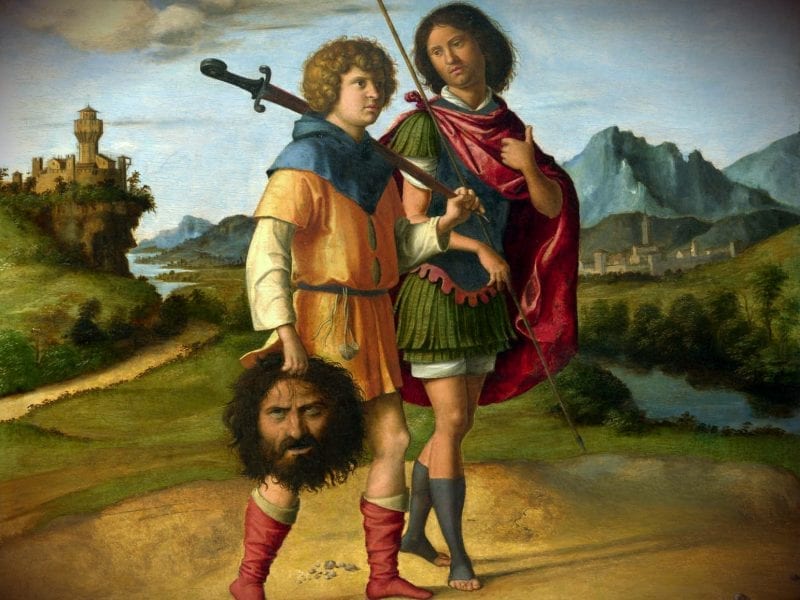
Aelred, a medieval abbot, here discusses the nature of true spiritual friendship as modeled by Jonathan's loyalty to his friend David, despite his father Saul's attempt to use jealousy and envy to divide them. [dropcaps type='normal' font_size='100' color='' background_color='' border_color='']T[/dropcaps]hat outstanding youth, Jonathan, son of King...
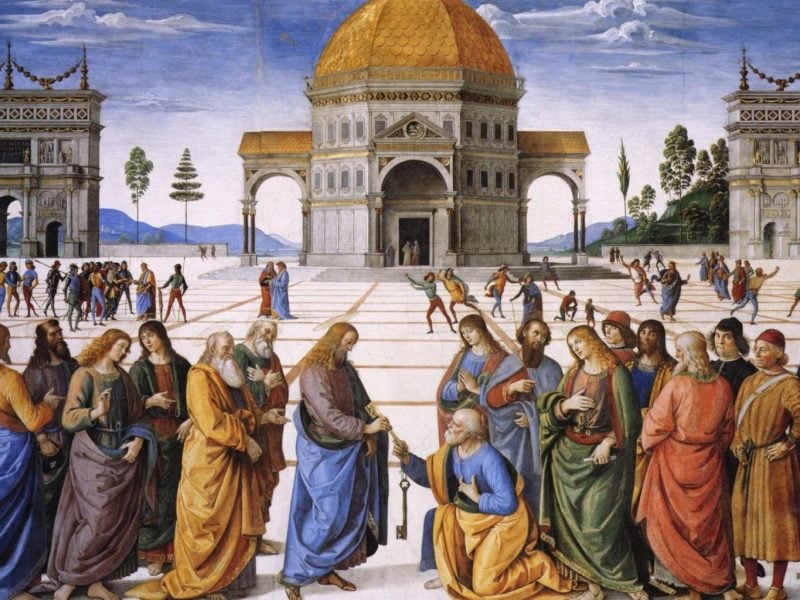
Henri de Lubac, one of the great Catholic theologians of the 20th Century, made great contributions to the documents of the Second Vatican Council. Here is an essay by him on the Church as a paradox and mystery. [dropcaps type='normal' font_size='100' color='' background_color='' border_color='']I[/dropcaps]n his journeying...

Augustine show that those who are drawn by desire to Christ are attracted by their spiritual palate, by delight in the wisdom, justice, truth and eternal life to be found fully in Jesus....
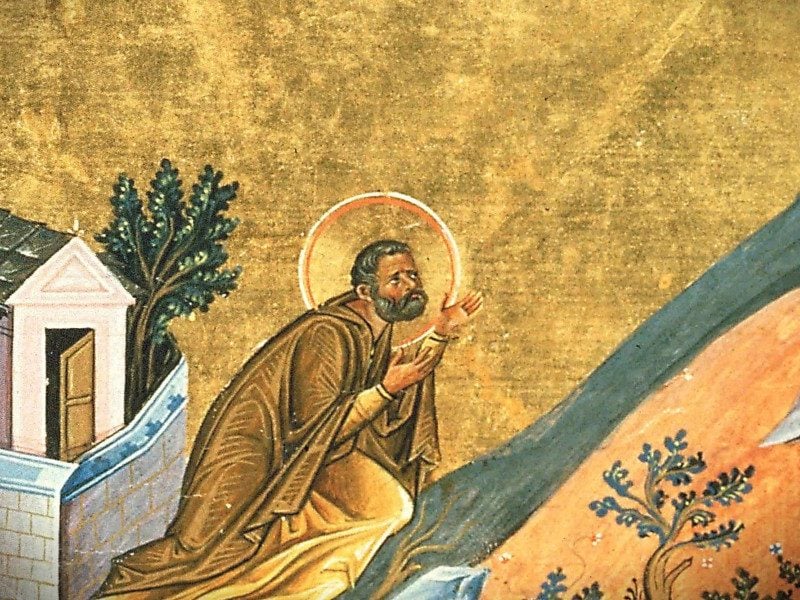
In this excerpt from his work On the Incarnation, St. Athanasius says that the Word of God entered our world and assumed a body so that he could die for us, so great is his loving kindness. It is read by the Church on the...
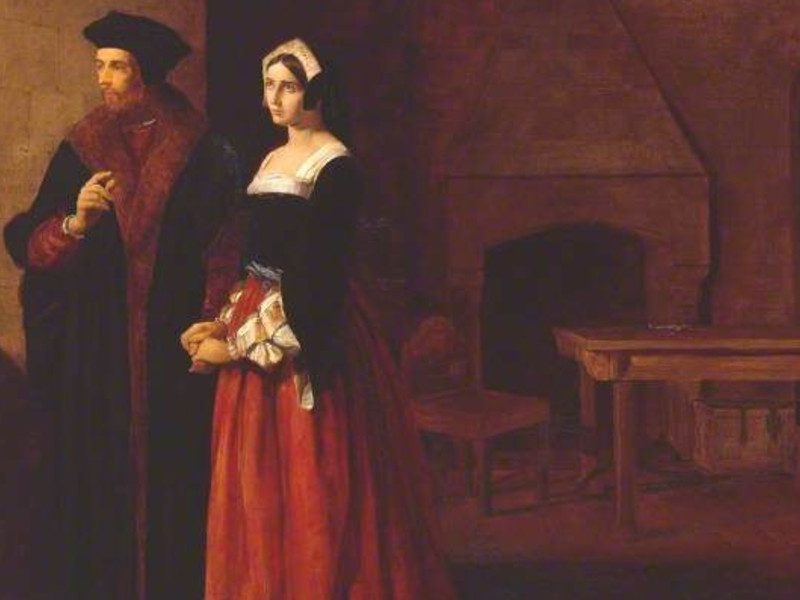
This Letter was written by St. Thomas More to his daughter Margaret (Meg) from his cell in the Tower of London where he had been imprisoned by King Henry VIII. Soon after writing this Letter, Thomas was condemned to death on trumped up charges....

In this third and final episode of Ascension Rountable's Podcast Series on the New Evangelization, Dr. Marcellino D’Ambrosio (aka Dr. Italy) provides further practical suggestions on a key feature of successful evangelization - hospitality....
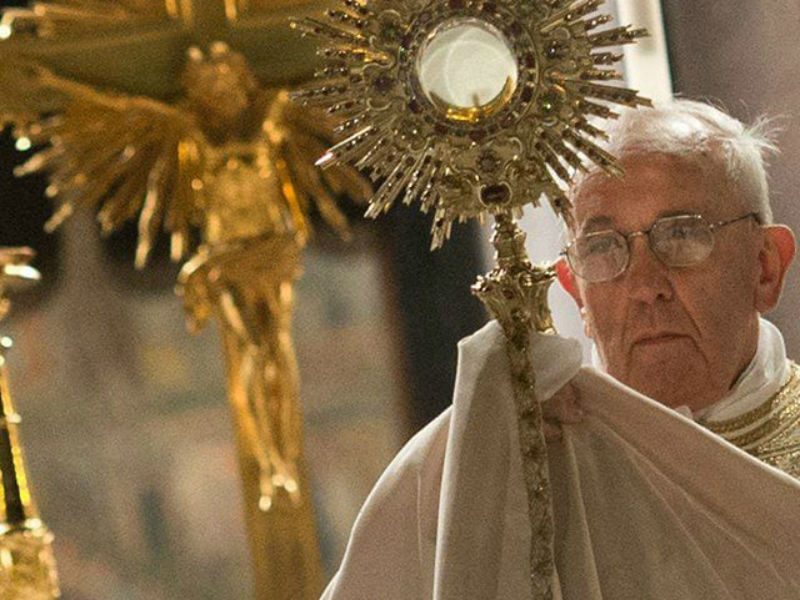
The Mass . . . the Eucharist . . . the Lord's Supper . . . the Blessed Sacrament . . . holy communion . . . transubstantiation -- what Catholics have believed and taught about this awesome reality, by whatever name it is called,...
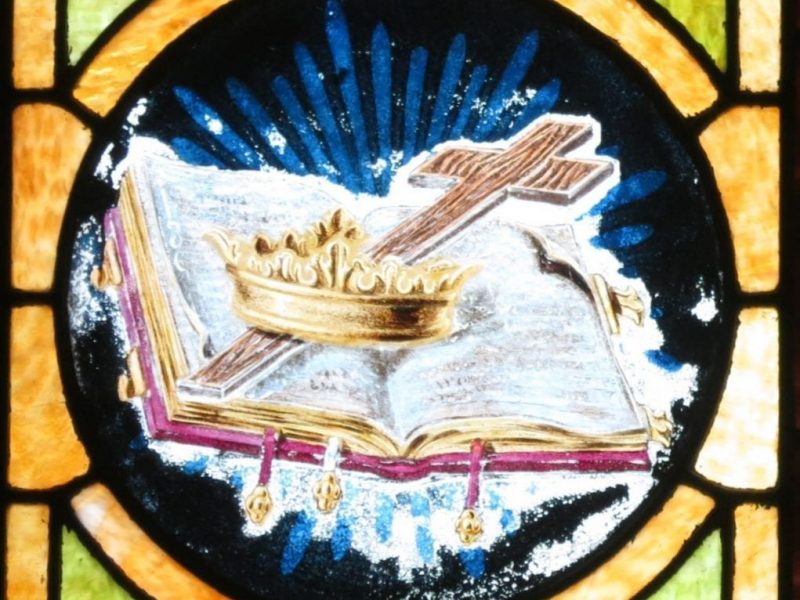
The letter of Pope Leo to Flavian, bishop of Constantinople, about Eutyches Commonly known as the "Tome of Leo" In the first half of the 5th century, the great doctrinal controversies in the Christian world all revolved around the divinity and humanity of Christ and how these...
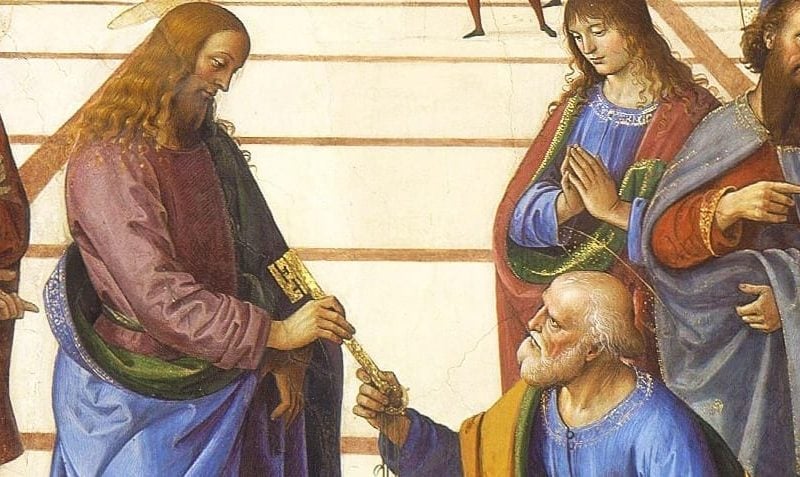
What should be our response to teaching of the Magisterium that is not necessarily infallible? Are Catholics free in these cases to dissent from the teaching of the Church? 4th in a series on the Magisterium....
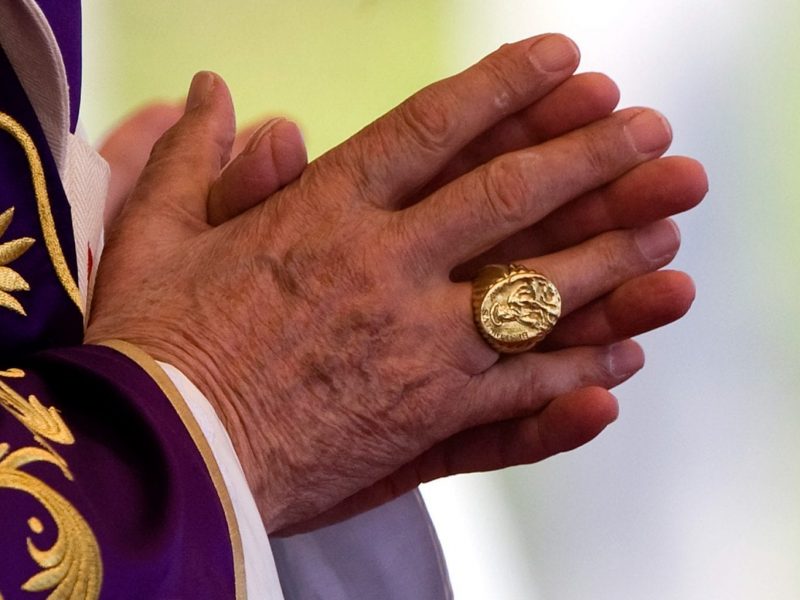
This excerpt from the Second Vatican Council's Dogmatic Constitution on Divine Revelation (Dei Verbum) chapter II paragraphs 7-10 treats of the nature and purpose of Tradition as a vehicle for the transmission of Divine Revelation. It also addresses he role of the Magisterium (Episcopal Teaching...
The first thing that the Pope wants to establish is the focus and framework of his teaching and his entire Pontificate. It is all about love. But the Pope wants to distinguish the romantic or erotic love of “eros” from the divine love called “agape”...
Benedict XVI has published his first encyclical, Deus Caritas Est, God is love. Why did he write it? Why did he choose this theme? What was his intention? The Holy Father responds to these questions, addressed to him by Zenit.org, in the following words which...
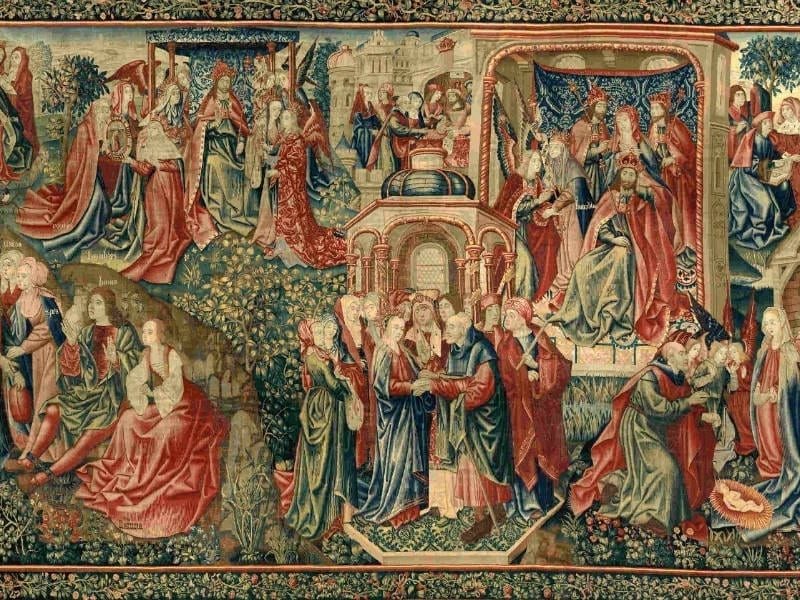
Predestination, free will, faith and grace are some of the most controversial doctrines in the history of Christianity. Are some destined to accept Christ and others predestined to reject him and go to hell? Does our ultimate salvation depend upon God's grace or upon our...
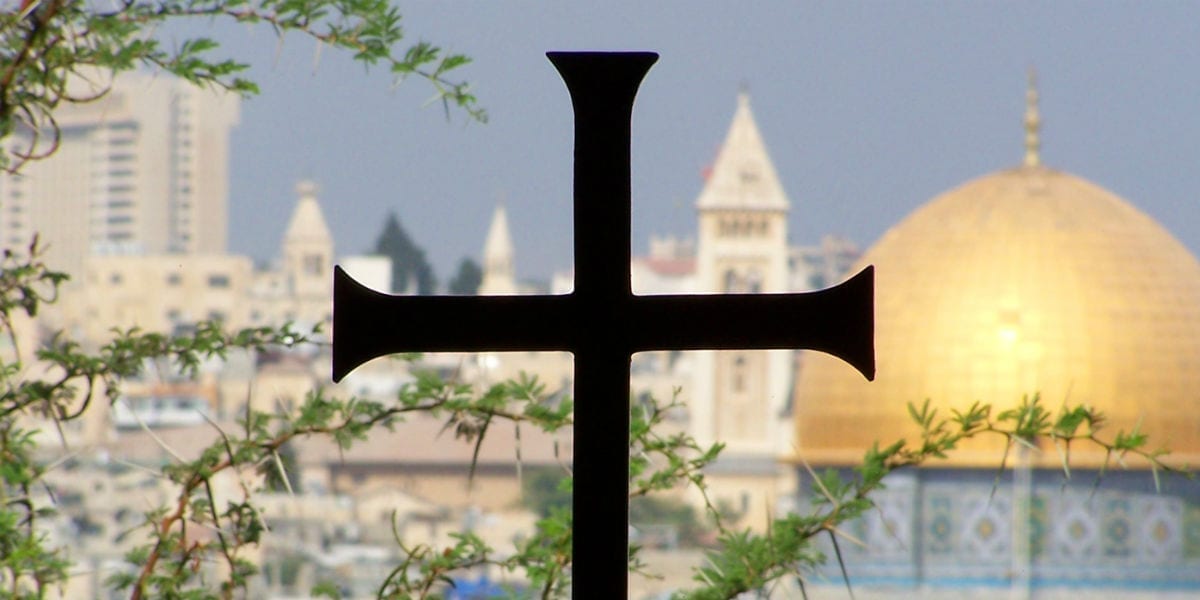
A podcast in which host Sonrise Morning show host Matt Swaim asks Dr. Italy some interesting questions about Dr. Italy's recent pilgrimage to the Holy Land, following the footsteps of Jesus....
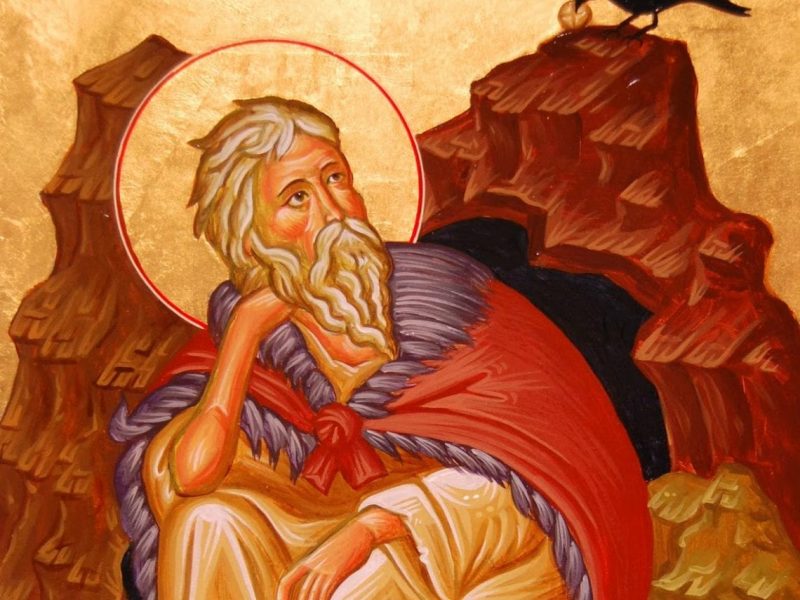
This excerpt from an festal letter by Saint Athanasius, bishop of Alexandria in the 4th century, emphasizes the proper spiritual preparation for the feast of Easter. We must purify ourselves for the worthy celebration of the festival, which is better commemorated by deeds than...
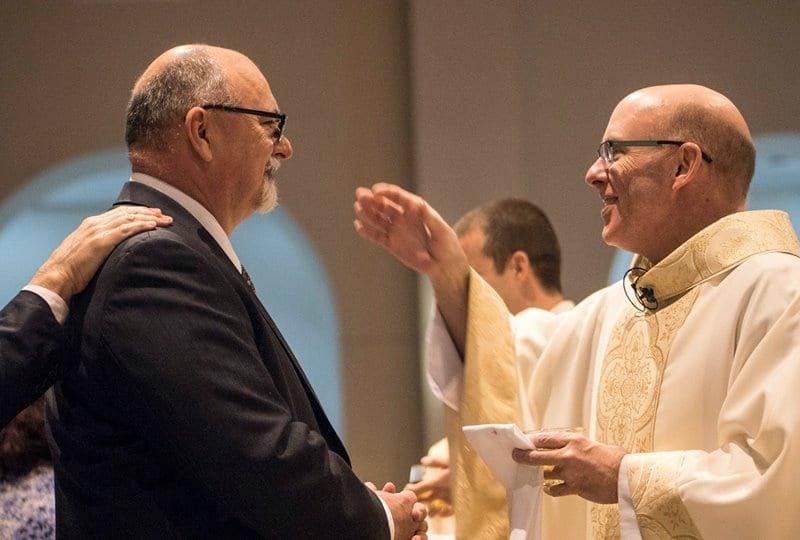
The role of the charisms and gifts of the Holy Spirit spoken of by Paul in Corinthians in the sacrament of Confirmation and the Christian Life in general, along with the prophetic & charismatic anointing to participate in the New Evangelization....

This Holy week reading on imitating Christ's death by being buried with him through baptism amplifies St. Paul's words in Romans 6:11 that in the sacrament of baptism we are baptized into Christ's death, being buried as it were with him under the saving waters...
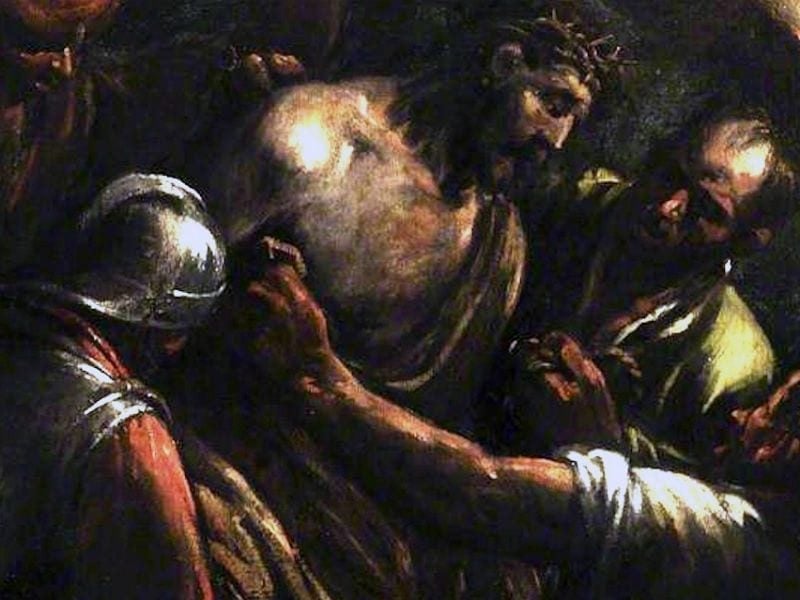
Saint Jerome on the nature of true repentance and the gracious mercy of God, our loving Father....

Mercy, says Gregory of Zanianzen, is by no means the least of the beatitudes. It is what Christ has asked for rather than sacrifice; he asks us to show him mercy by showing mercy to the poor....
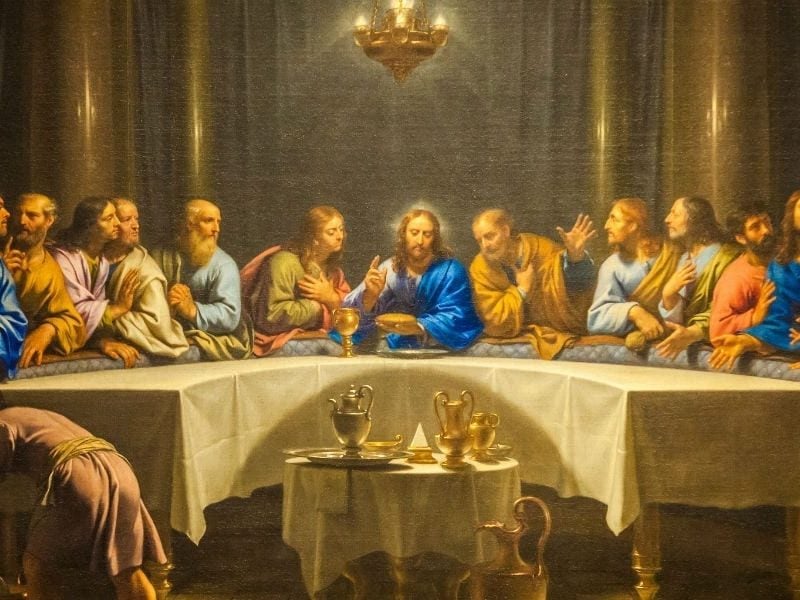
St. Augustine here speaks of Christ's laying down of his life, handed over to us in the Eucharist, as the perfection of love. Augustine's words, written in the early 5th century, are also compelling evidence for the practice and meaning of devotion to the...

The New Evangelization means that even our approach to Lent must change. We need to switch our focus from personal growth to Church growth and "give up" not chocolate, but our fear of sharing the Good News of God's love coming to all people...
This powerfully poetic sermon on the Cross of Christ as the Cosmic Tree was preached during Holy Week in the early church, somewhere around the 5th century, by someone whose name has been lost. It was wrongly attributed to the great preacher St. John Chrysostom....
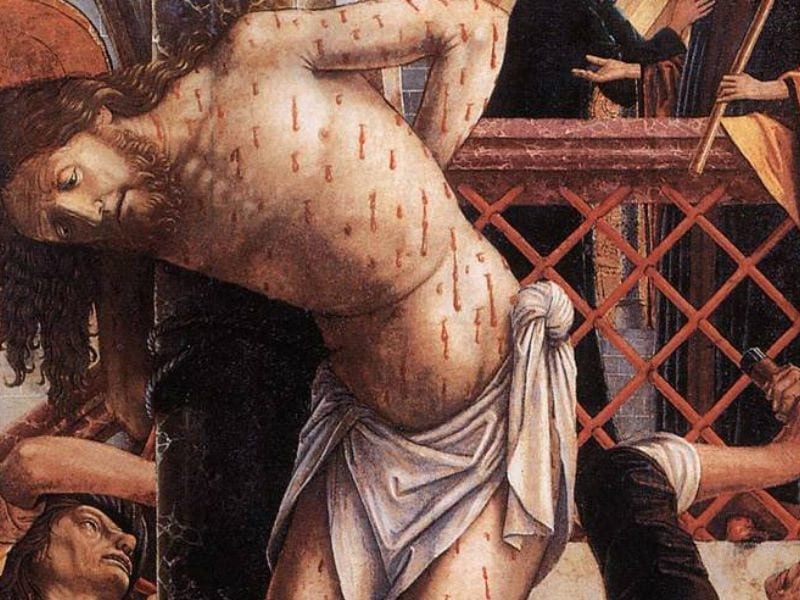
This excerpt from a homily written in the second century by an anonymous Early Church Father speaks of true and sincere repentance of sin. His insistence that we must "keep the seal of our baptism undefiled" shows that the "once saved, always saved" doctrine...
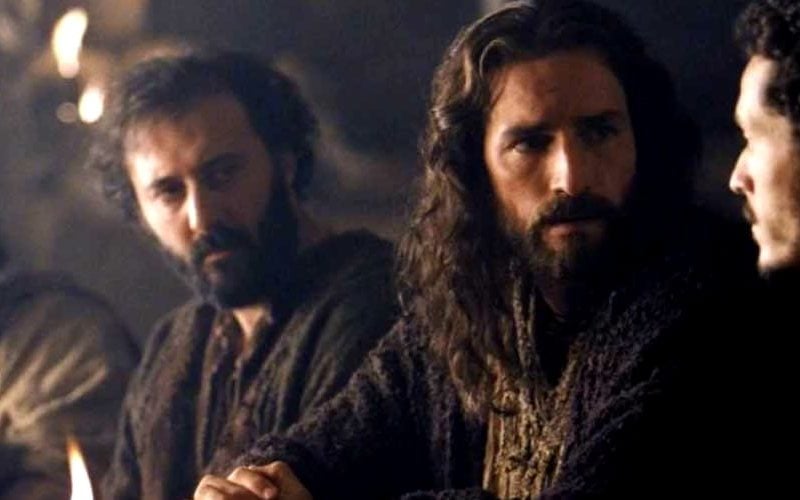
Vatican II and the Word of God: Part III deals with the topic of how tradition and magisterium are interrelated. It comments on Vatican II's Dei Verbum 8-10....
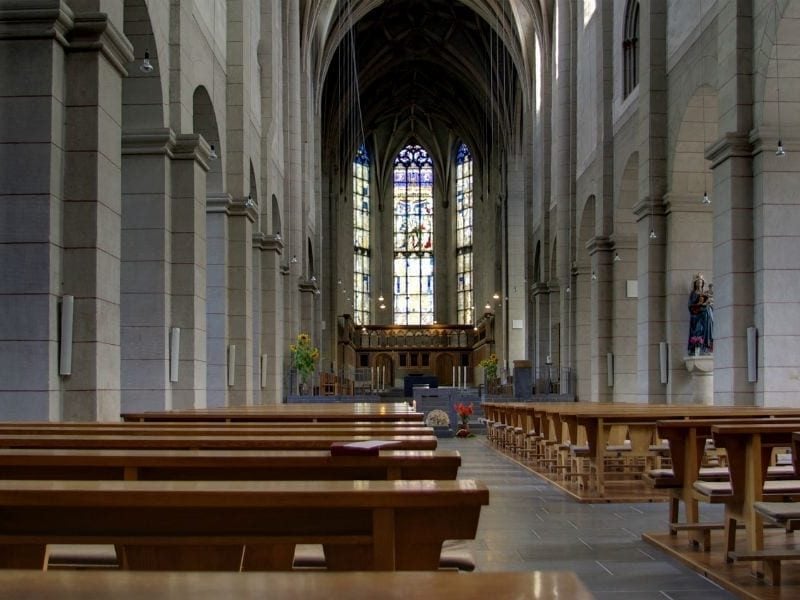
John Chrysostom warns against giving honor to Christ by adorning the Church building to the neglect of the poor and suffering members of Christ's body, the Church in the truest sense. ...
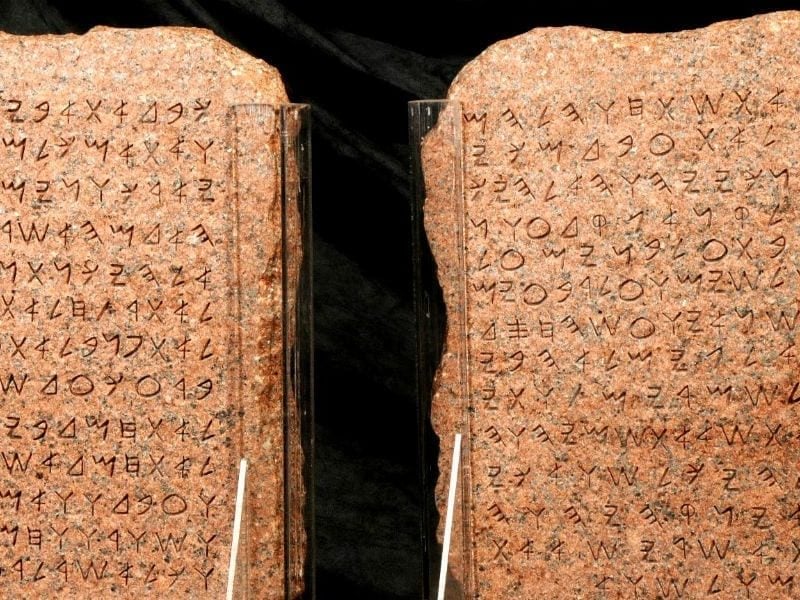
With the coming of the New Covenant, much in the Old Law of Moses is rendered obsolete. But the Ten Commandments, otherwise known as the Decalogue, has eternal value, says St. Irenaeus, because it enshrines justice to God & neighbor....
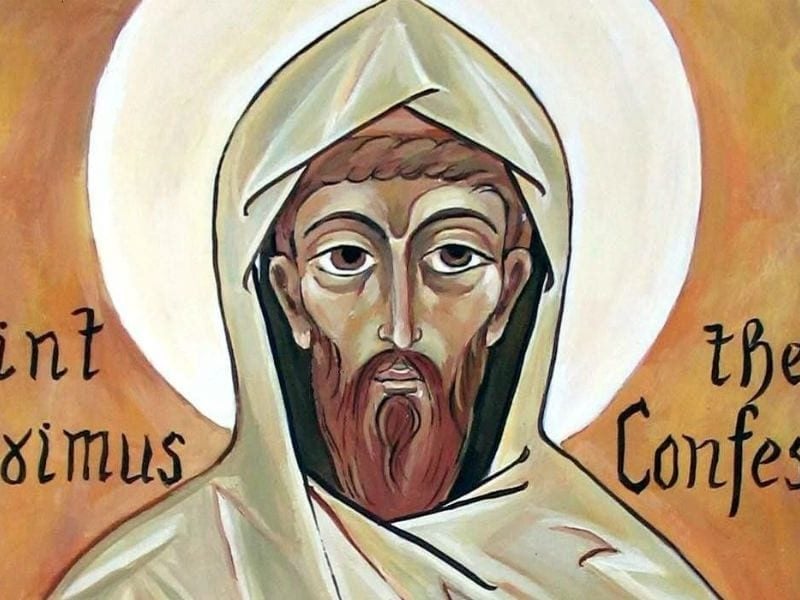
St. Maximus the Confessor here makes clear the nature of true charity or love of God (one of the theological virtues), and affirms that it is not by faith alone that we secure our salvation, but also by a positive act of love of God...
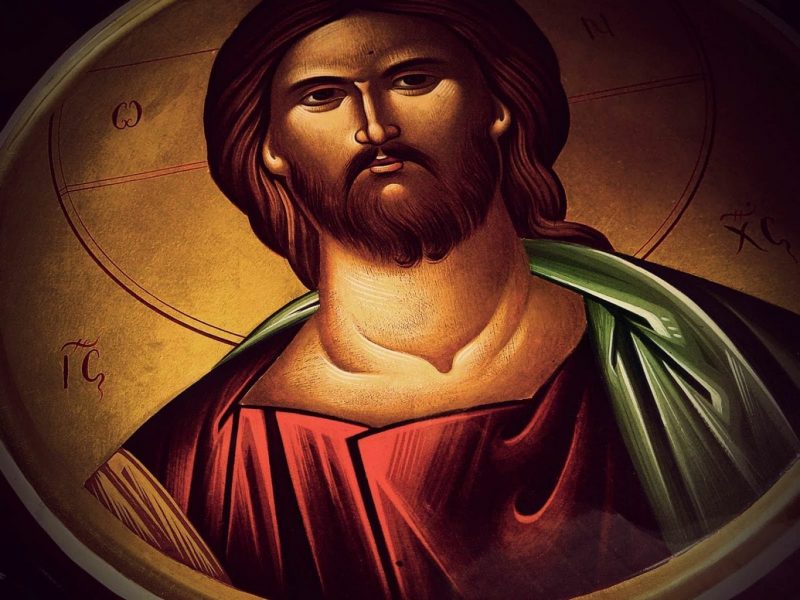
Why must I confess my sins to a priest? Can't I simply go straight to God? These questions about the Catholic Church's sacrament of penance and reconciliation, aka confession, are answered poignantly by Blessed Isaac of Stella, an abbot from the 11th century (Sermo 11:...
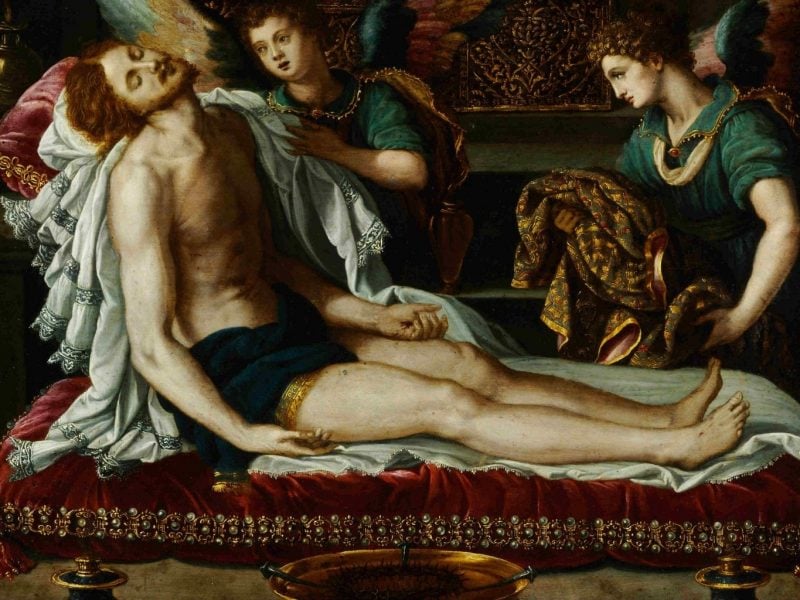
Augustine reflects on the nature of a true sacrifice pleasing to God. Works of mercy and acts of compassion qualify, but the most perfect sacrifice is that of the Whole Body of Christ, head and members (Totus Christus), which is offered to God in every...

Augustine describes the theological virtue of hope in terms of expanding the desire of our hearts to see God face to face, stretching the capacity of our souls to contain more of the fullness of his presence....

From a letter by Tertullian, an Early Church Father, to his wife, ca. 202 AD, illustrating the great esteem for the sacrament of holy marriage in the days of the early Catholic Church....
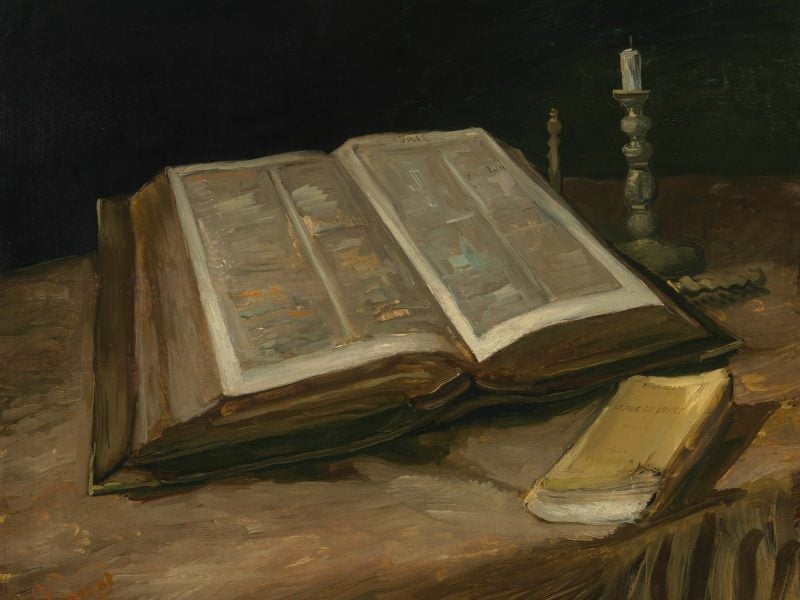
St. Ephrem testifies to the rich, inexhaustible treasure that is the Sacred Scriptures. The Bible is like a Spring which never runs dry, which always has the ability to satisfy our thirst for God and his truth...
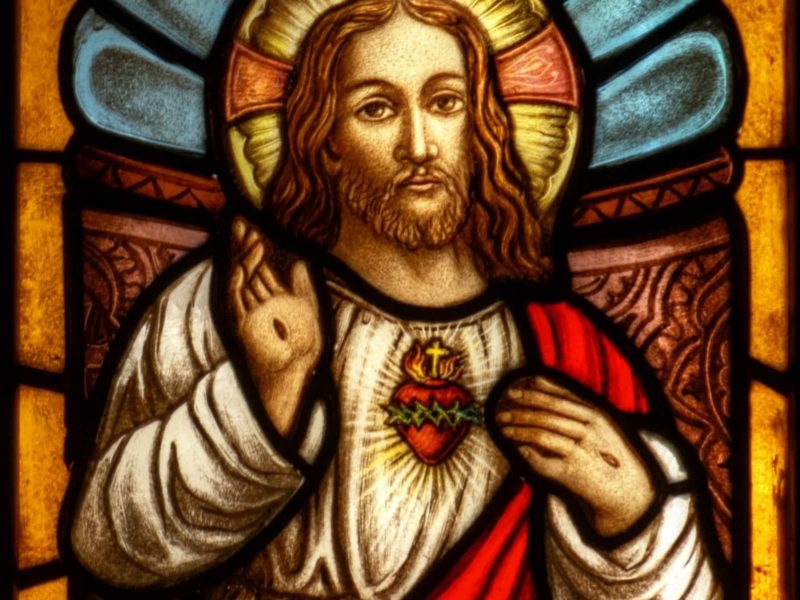
Isaac of Stella on Paul's exhortation in Galatians 6:2 to "Bear one another’s burdens and so fulfill the law of Christ." Charity is characterized by compassion, patience, and forbearance. To forebear the weaknesses and faults of others is a hallmark of divine love. [dropcaps type='normal' font_size='65'...

Diadochus of Photice, a bishop of the early church, explains the role of recollection and discernment in Christian life. To discern thoughts originating in God from those planted by the enemy, we must cultivate peace of soul and mind and dispose ourselves for the...
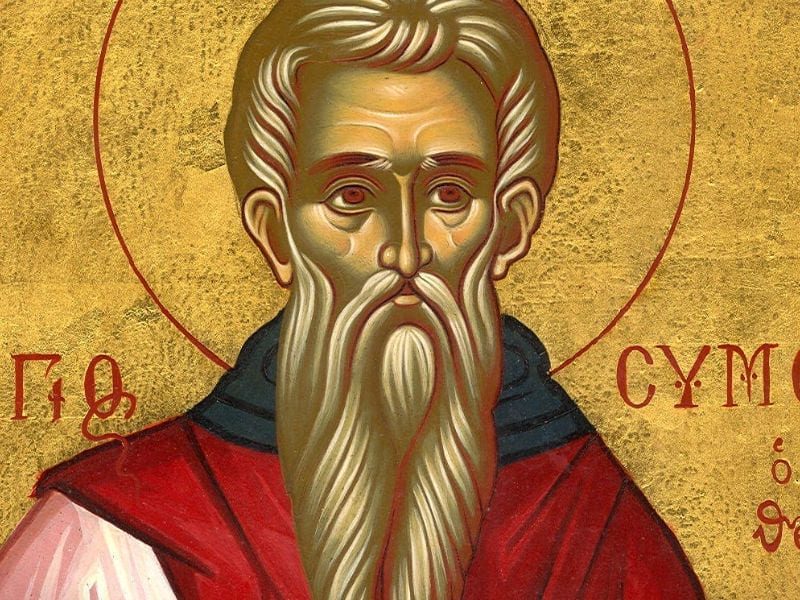
Excerpt from Athanasius' famous Life of Antony, recounting the story of the call of St. Anthony of the Desert, father of monks and great supporter of Christian Orthodox belief in the divinity of Christ against the Alexandrian heretic Arius....
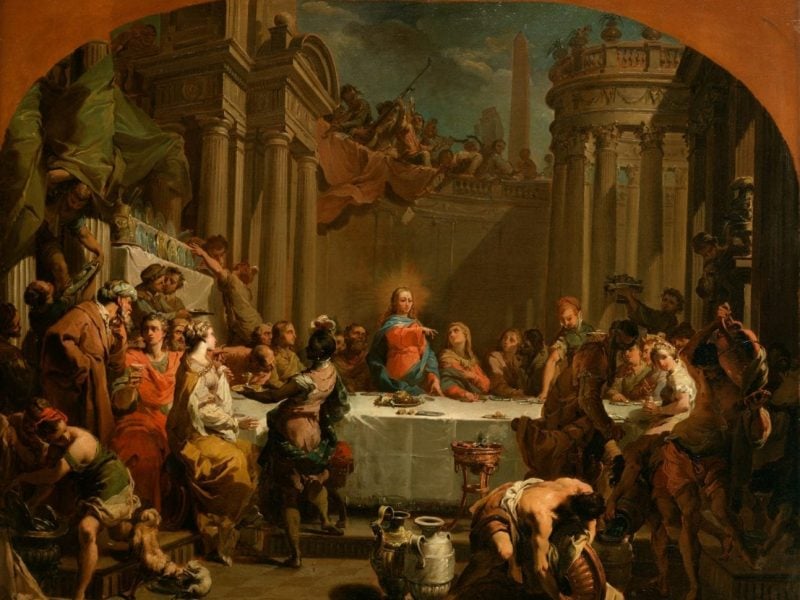
Early Church Father Faustus of Riez on the transformation of water into wine at the wedding feast of Cana - baptism and the new covenant are foreshadowed in this mysterious event....
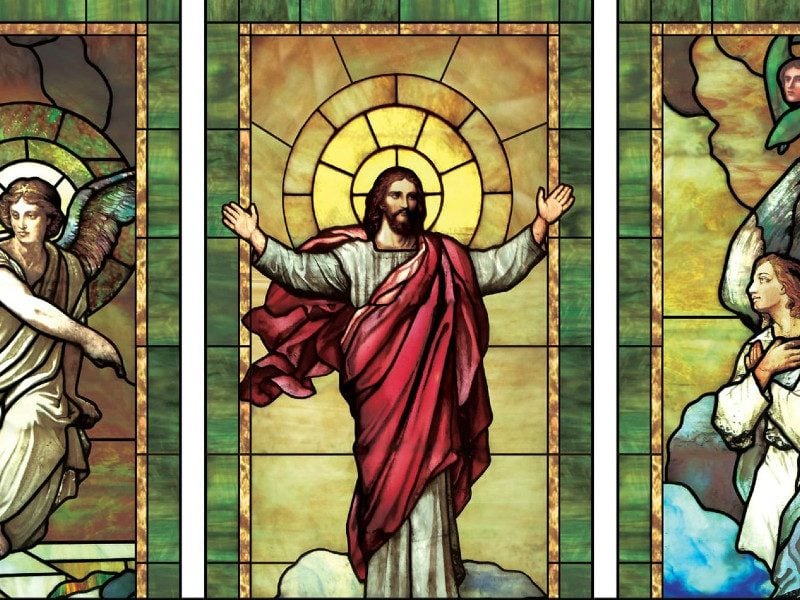
In this excerpt from a letter written AD 125, so appropriate for Advent, the anonymous author discusses the marvelous and secret plan of salvation culmination in the birth, death, and resurrection of Jesus Christ. St. Paul calls this plan "the Mystery." The...

The human soul is like a house or garden . . . if left untended by the Master, it is invaded by filth and vermin. But Christ, here depicted as a farmer, has ploughed the wild field of humanity with the wood of the Cross...
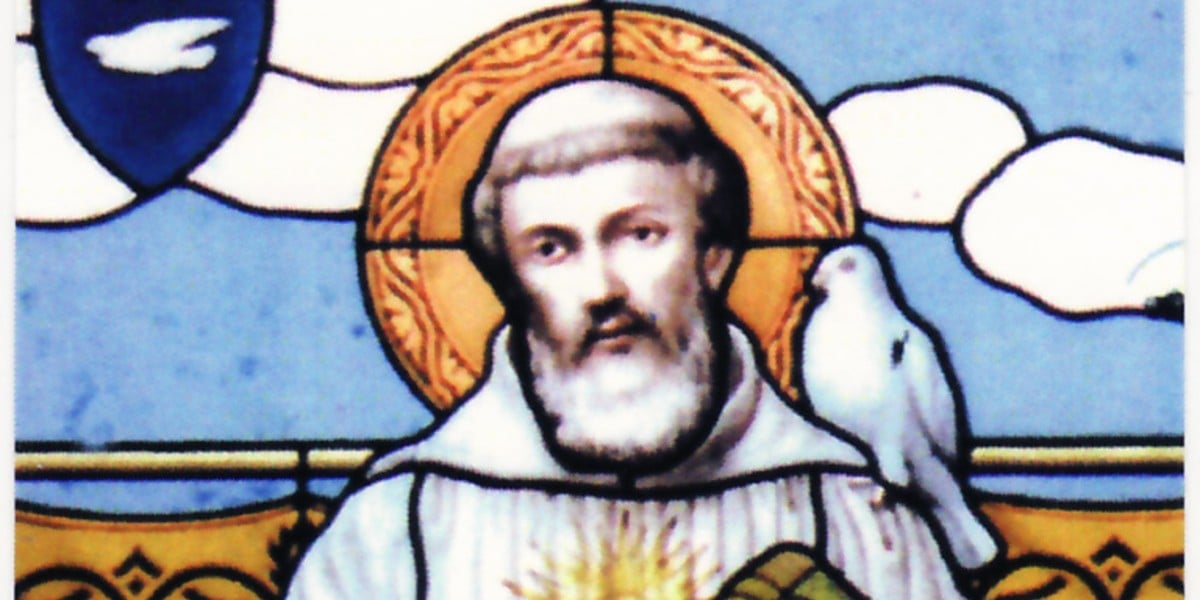
Columbanus (Columban) urges us to remember our dignity, created as we are in the image and likeness of God. Since God is love, we must manifest love in our actions and our words, being especially careful lest we deface that image through careless use of...

This excerpt from a second century homily speaks of what it means to honor and blaspheme the name of Jesus Christ, and the Church, the body of Christ. "Is the Lord’s name blasphemed? It is because we say one thing and do another."...

The central document of the Second Vatican Council was Lumen Gentium, the Dogmatic Constitution on the Church. The heart of this document its teaching in chapter five that the call to holiness is not limited to any one state in life, but is indeed universal,...
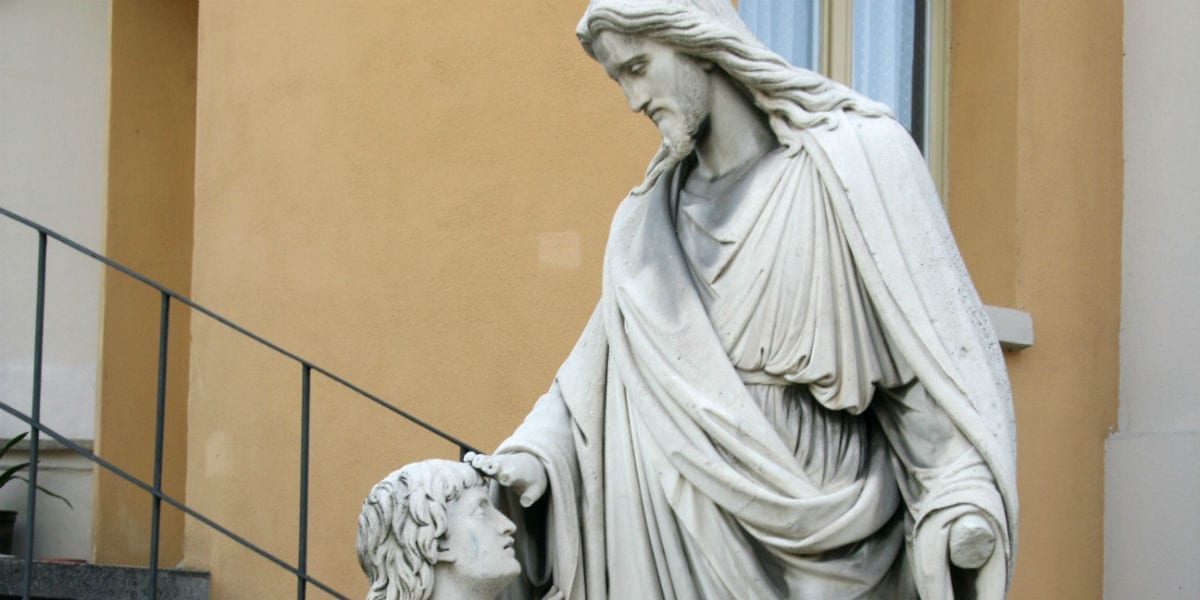
In this 15 minute podcast, Anna Mitchell, host of the Sonrise Morning Show, discusses with Dr. Italy, the significance of Jesus' encounter with Bartimaeus, the Blind Beggar of Jericho. What emerges is a tribute to a kind of faith that acts up and reaches out. Jesus...
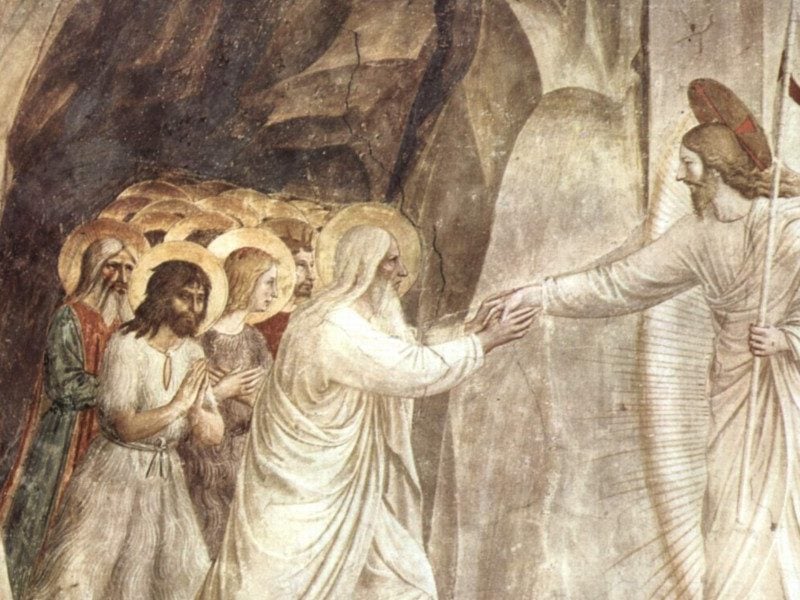
Death is both a mystery and an enigma say the fathers of the Second Vatican Council. This moving treatment of death and dying is an excerpt from one of the more important of the Council documents, the Pastoral Constitution on the Church in the Modern...
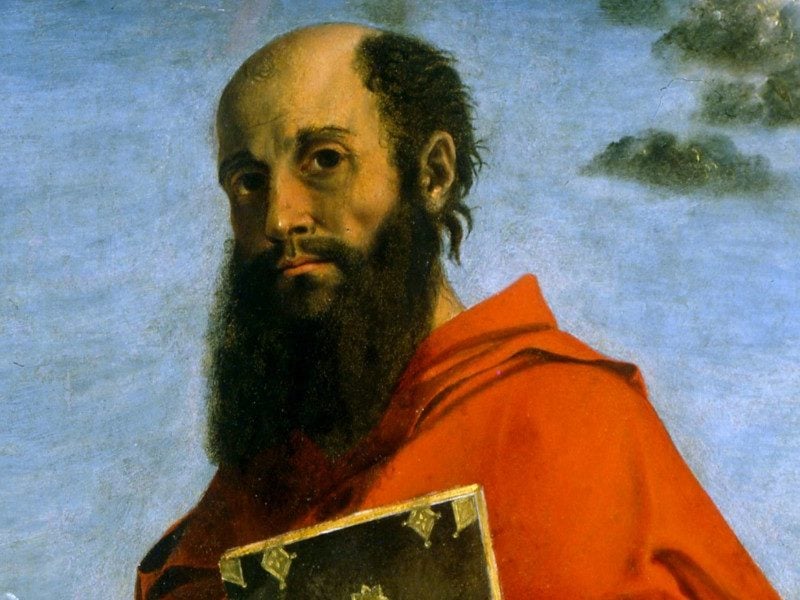
Augustine, in this letter to Proba, provides his interpretation of the command of Saint Paul in 1 Thessalonians 5:16 to pray always, with unceasing desire, hope and love....
Augustine tells Proba that praying always through the desire of the heart does not mean we should not frequent pray formally, at appointed hours, using words. Without such formal prayer at set times, desire would grow cold....

In this 14 minute podcast, Anna Mitchell interviews Dr. Italy about millennials in the Catholic Church, and why the recent Summit of Catholic Creatives is a sign of hope for the future....

The Call of Matthew, tax-collector and notorious sinner, rattled the pious Pharisees and caused them to reject Jesus. This calls us to reflect on the true nature of holiness and how it differs from that pompous religiosity and empty piety that has always been the...
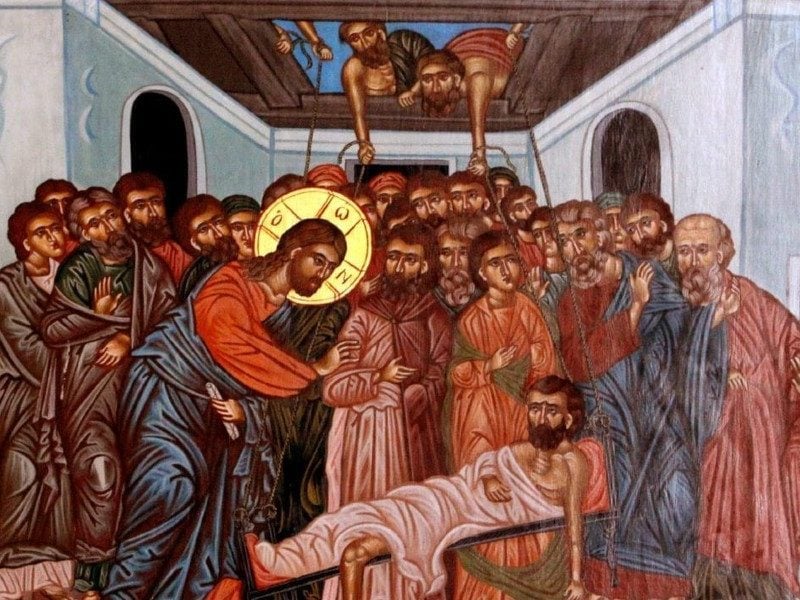
Augustine on the duty of pastors to strengthen weak Christians. The weak are those who want to live a good life but are unable to endure the sufferings that inevitably threaten. Some are so ill that they are like the paralytic who needed to be...
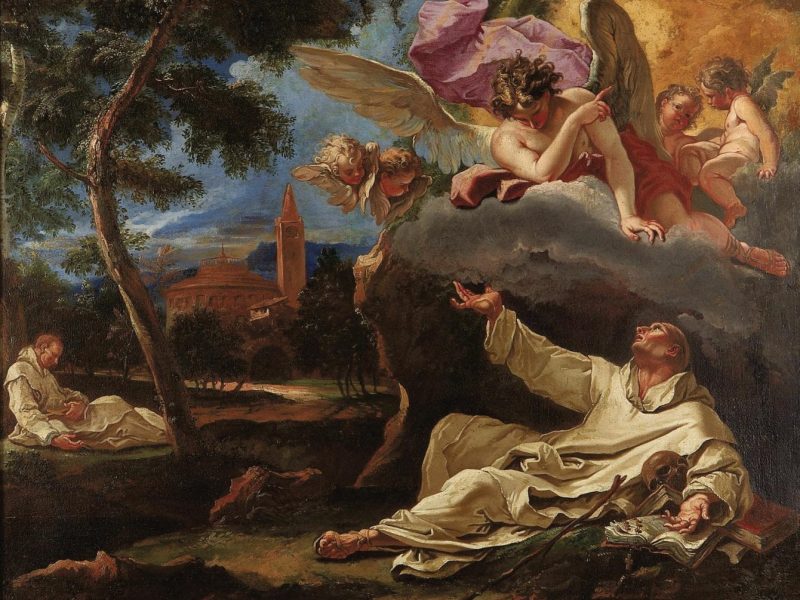
St. Bruno on Psalm 84. "How lovely is your dwelling place" is taken to refer not so much to the Jerusalem temple as the heavenly dwelling of God in heaven according to the spiritual / anagogical sense of Scripture....
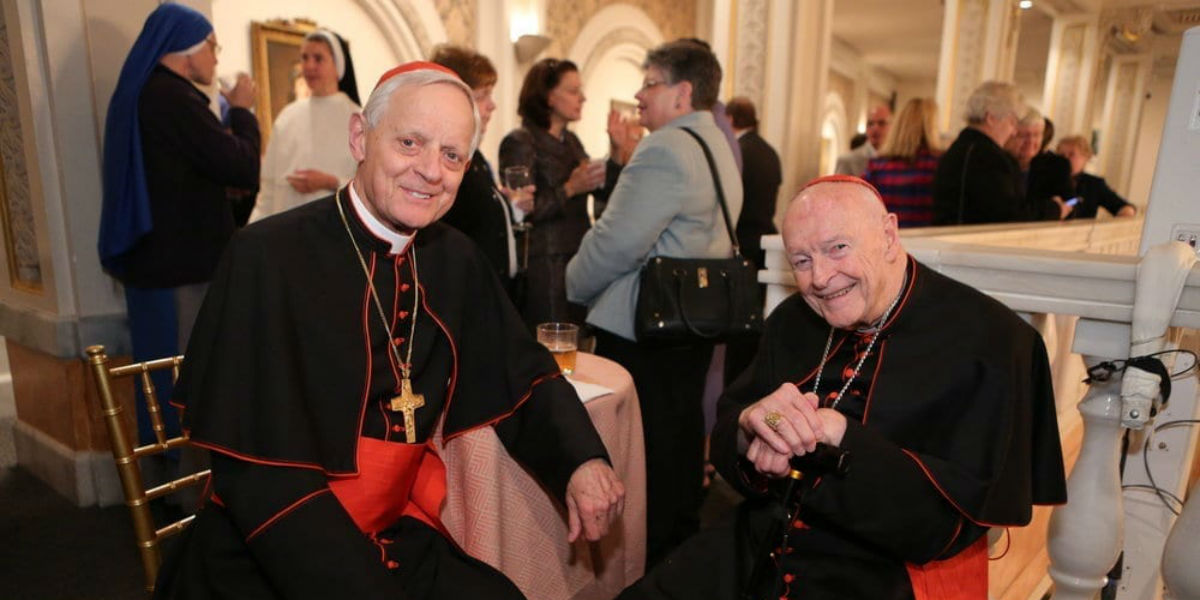
Anna Mitchell of the Sonrise Morning Show interviews Dr. Italy on the current clerical corruption crisis reaching to the highest levels of authority. Is this something historic & unprecedented?...

You cannot serve both God and Mammon says Jesus in the Sermon on the Mount. He also points us to the example of the birds of the air and the lilies of the field. Are we then to view money and honest work as...
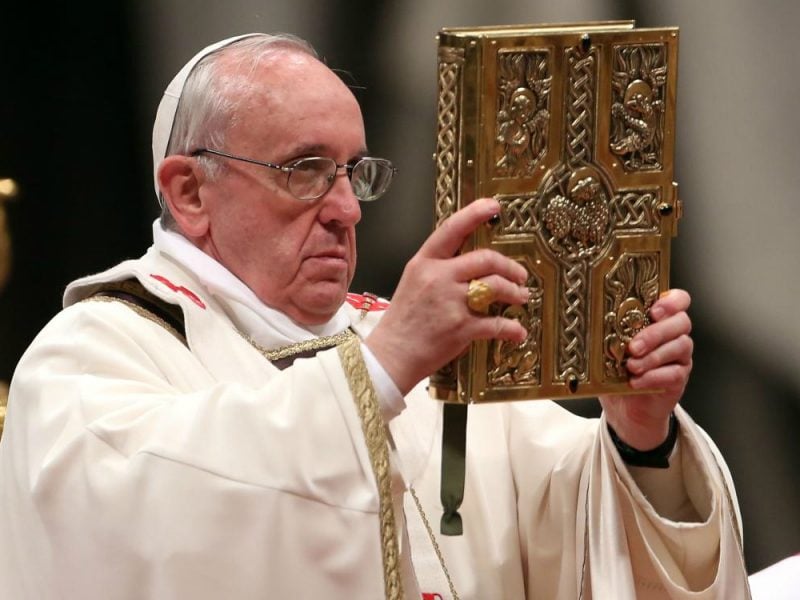
The teaching authority of the Church, and especially the Papacy, are seen by some as competing with the authority of the Bible. This essay explains the Catholic position that the Pope and all Church authority are under the authority of God's Word coming to...
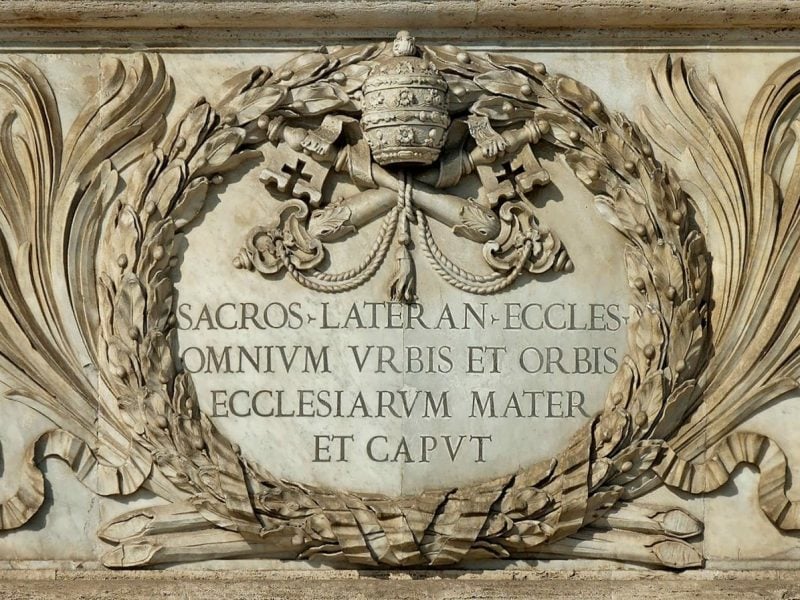
This 3rd in a series on the Magisterium of the Catholic Church explores infallibility: the teaching that the bishops of the Catholic Church, and the Pope in particular, can, in certain circumstances, teach in a way that is guaranteed to be infallible or without error....

Commenting on 1 Peter 2, Bede tells the newly baptized that they are a chosen race, a royal priesthood & a consecrated nation through their baptism into Christ and anointing with the sacred oil of confirmation. [dropcaps type='normal' font_size='100' color='' background_color='' border_color='']Y[/dropcaps] ou are a chosen...

Annie Mitchell, host of the Sonrise Morning Show, interviews Dr. Italy on the birth of a grandchild and why he is a miracle baby On July 17, 2017, a baby was born to Cristina Boshart, the daughter of Dr. Marcellino D'Ambrosio. The story of the coming...
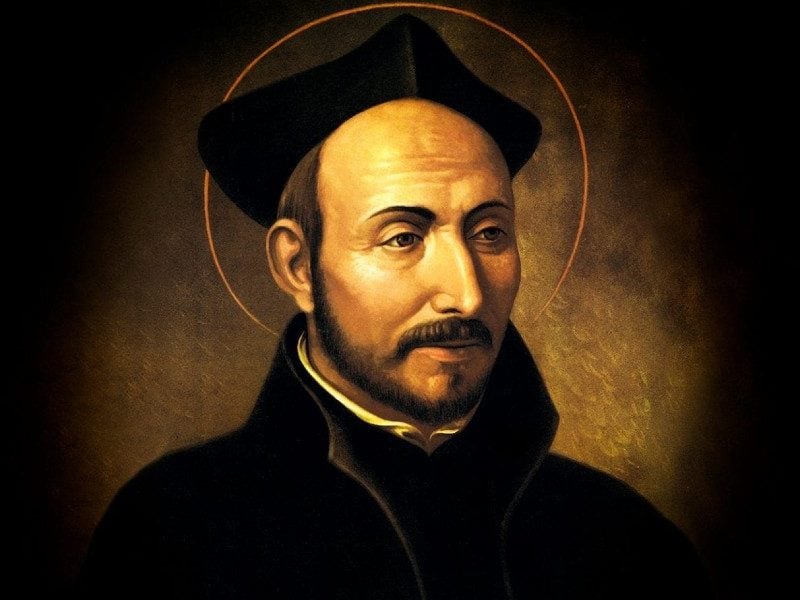
[dropcaps type='normal' font_size='100' color='' background_color='' border_color='']T[/dropcaps]O HAVE THE TRUE SENTIMENT WHICH WE OUGHT TO HAVE IN THE CHURCH MILITANT Let the following Rules be observed. First Rule. The first: All judgment laid aside, we ought to have our mind ready and prompt to obey, in all, the...
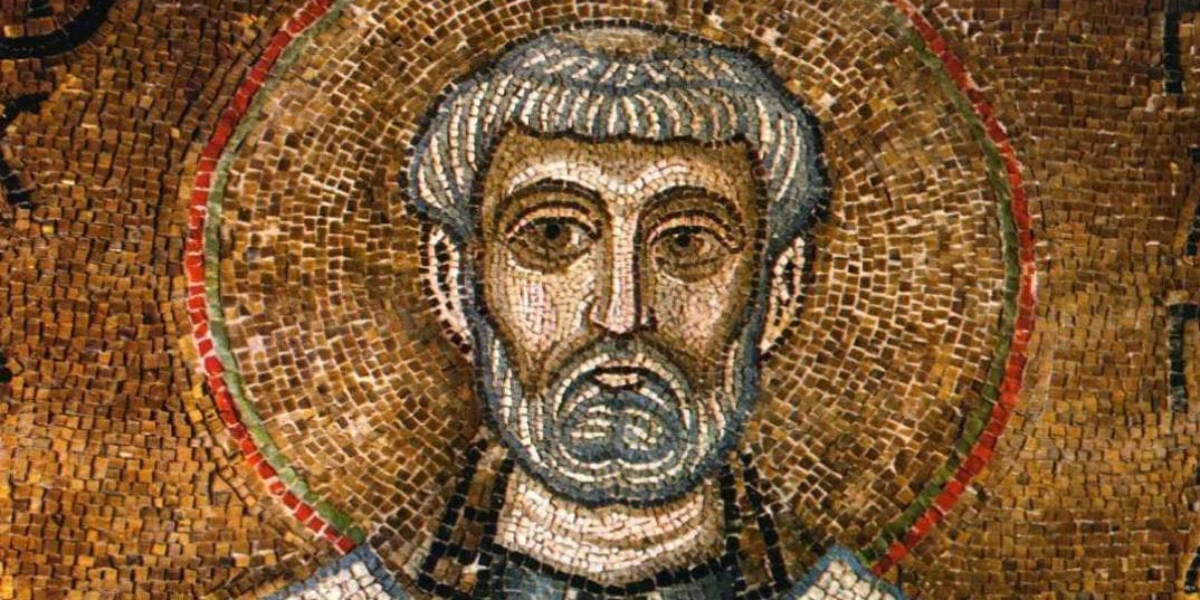
In this video , Marcellino D'Ambrosio, Ph.D. (aka "Dr. Italy") discusses the earliest writing after the New Testament which provides a window into early Christianity in Rome and Corinth. Lost to the Western world for centuries, the first letter of Clement of Rome was rediscovered in...
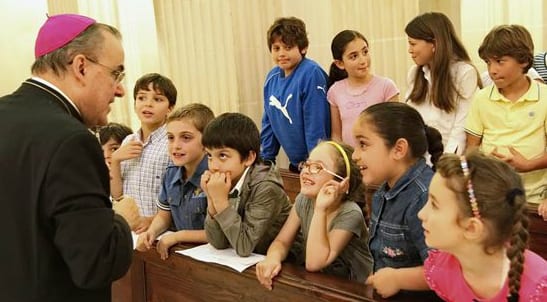
Part 2 of a four part series on the role the magisterium or sacred teaching office of the bishops and pope of the Roman Catholic Church....
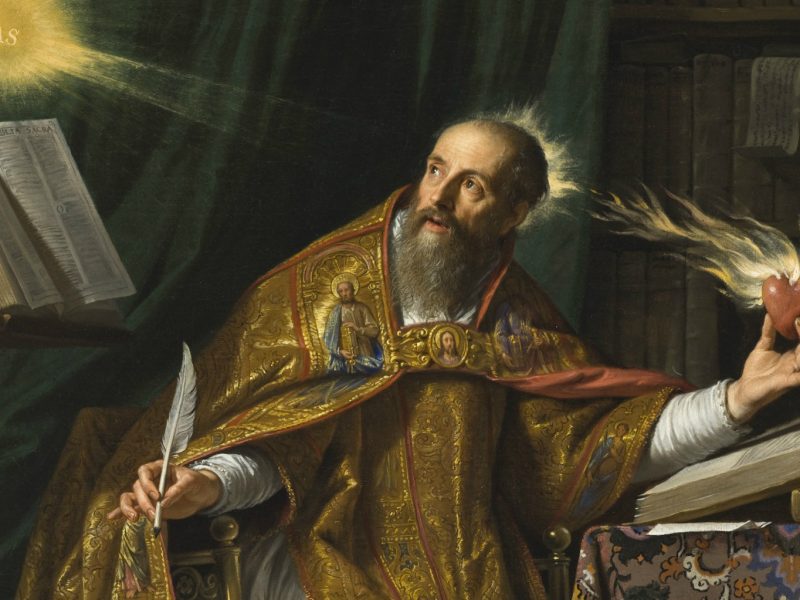
[dropcaps type='normal' font_size='100' color='' background_color='' border_color='']T[/dropcaps]here are two ways of life that God has commended to the Church. One is through faith, the other is through vision. One is in pilgrimage through a foreign land, the other is in our eternal home; one in labour,...

On June 27, the Catholic Church honors the Memory of St. Cyril of Alexandria, best known for his role at the Council of Ephesus in AD 431 defending the traditional title of the Virgin Mary as Theotokos, translated "God-bearer" or Mother of God....
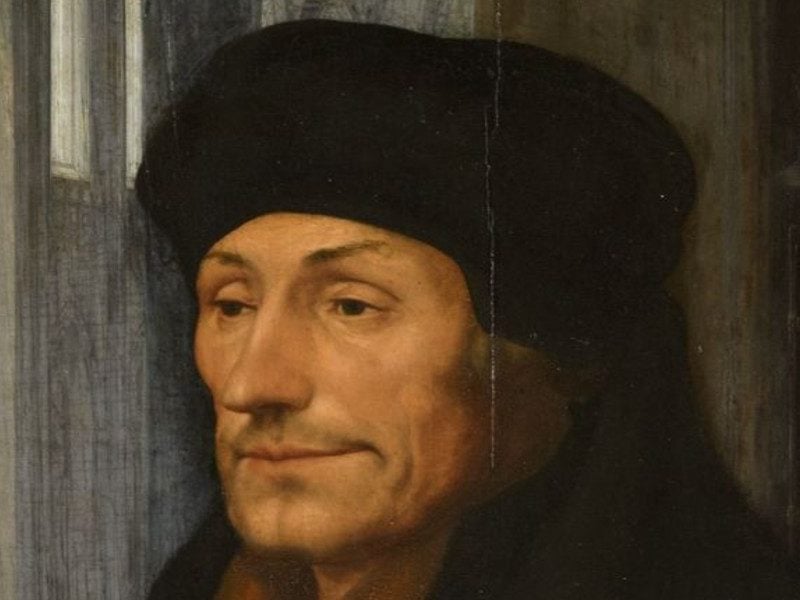
John Paul II's proclamation of Saint Thomas More as Patron of Statesmen and Politicians, an example of moral integrity, a witness to the primacy of the truth over power and a defender of the inalienable dignity of the human conscience....
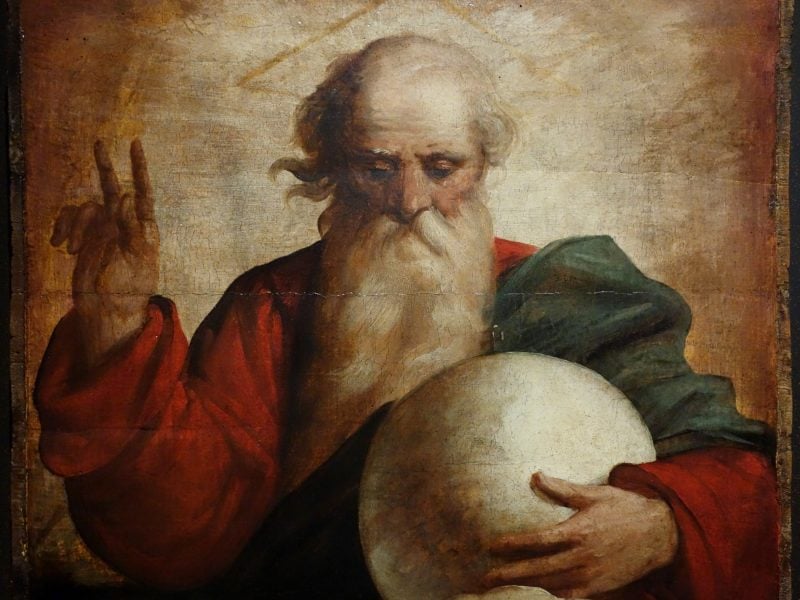
Cyprian begin's his commentary on the Lord's Prayer by analyzing the first line: Our Father. We do not pray as individuals, but in common, as a family, since we are all children of the same Father....
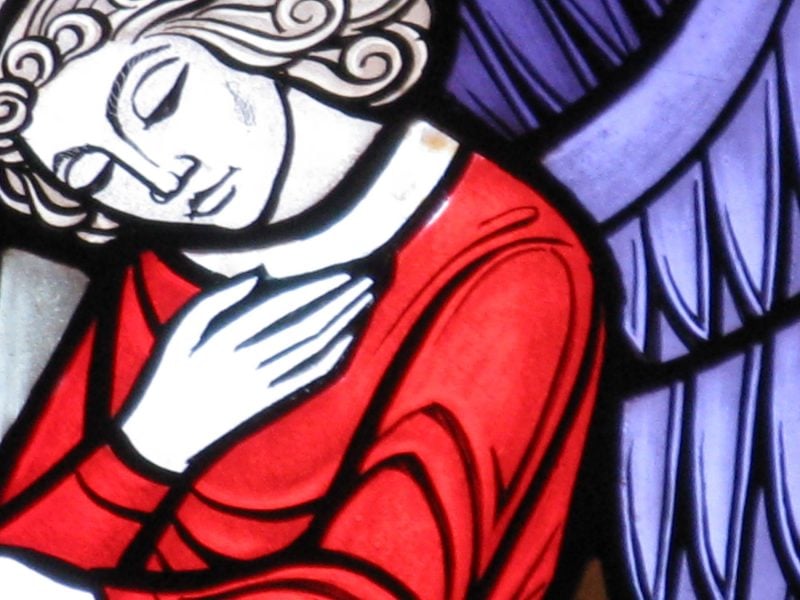
Cyprian prepares to analyze the Our Father by reflecting upon the basic attitude of humility necessary if prayer is to please God, reflecting upon the example of Hannah, mother of Samuel, and the story of the Publican and the Pharisee told by the Lord Jesus....
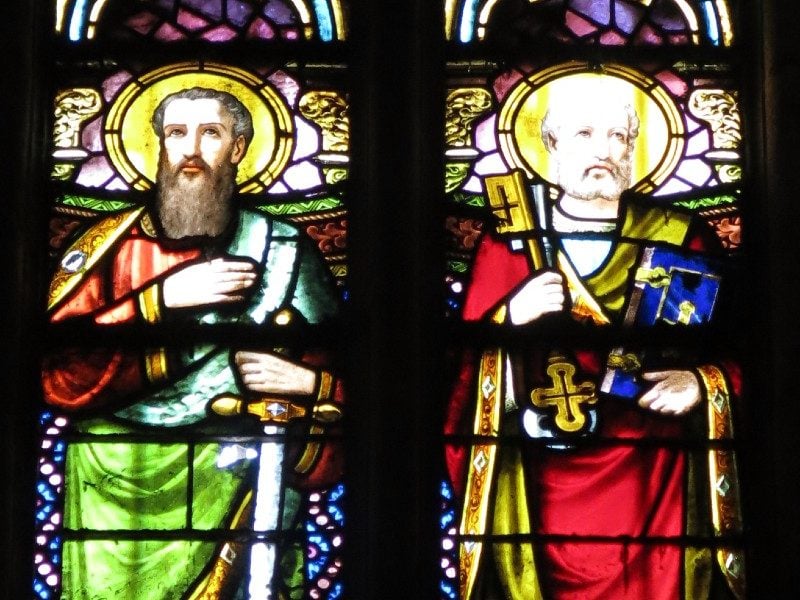
This excerpt from St. Augustine shows that, as early as the fourth century, Christians celebrated June 29th in honor of Peter and Paul, the two apostles and martyrs who laid down their lives for Christ in the Eternal City of Rome....
Cardinal Josef Ratzinger's reflection on Ad Tuendam Fidem, Doctrinal Commentary on the Concluding Formula of the Professio fidei, is intended to provide examples of the various levels of authority of the teaching of the Magisterium and explain the proper response owed to them....
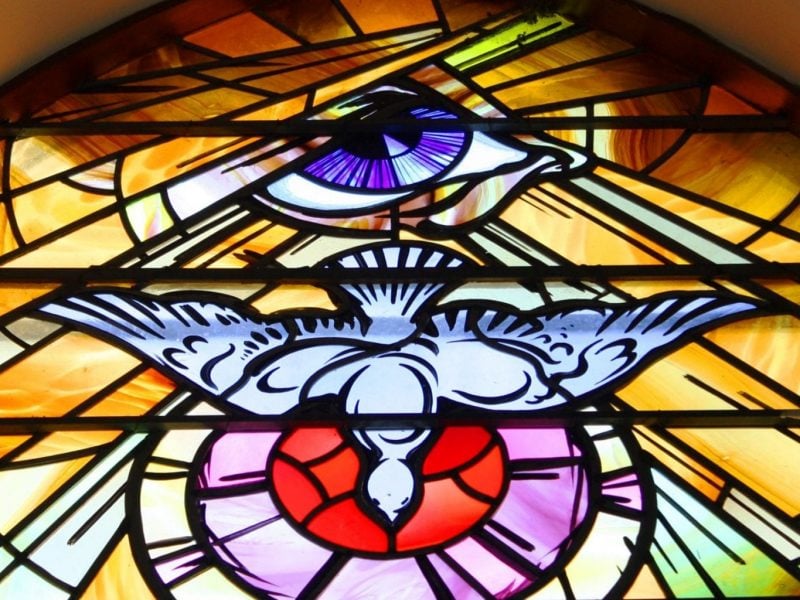
Gregory of Nyssa here identifies the glory that Jesus speaks about in the Last Supper discourse of the Gospel of John with the Holy Spirit, the source of Christian unity. He also sees a reference to the Holy Spirit in the Song of Songs...

This page covers some of most frequently asked questions (FAQ) that we receive here at The Crossroads Initiative. If you have any questions you can check this page frequently for more Catholic Q & A. We are adding new Questions and Answers every week. If...

St. Theodore the Studite here acclaims the cross as a life-giving tree that is the antidote to that tree in paradise that was Adam's undoing. Following the early Christian method of interpreting the Old Testament spiritually, he traces the many ways the wood of...
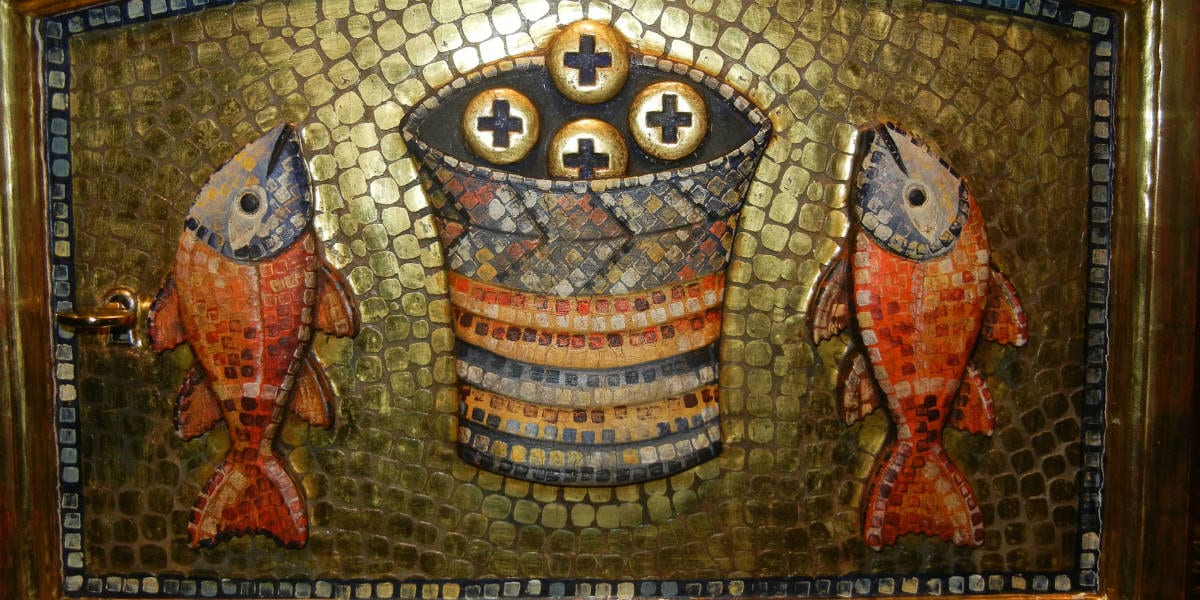
The Congregation for the Doctrine of the Faith's Declaration in Defense of the Catholic Doctrine of the Church Against Certain Errors of the Present Day is best known by the first two words of the Latin text, Mysterium Fidei. It was written in response to...
JOINT DECLARATION ON THE DOCTRINE OF JUSTIFICATION by the Lutheran World Federation and the Catholic Church [dropcaps type='normal' font_size='100' color='' background_color='' border_color='']P[/dropcaps]reamble 1.The doctrine of justification was of central importance for the Lutheran Reformation of the sixteenth century. It was held to be the "first and chief article" [1] and at the same time the "ruler and...
Catholic Faith is not ideology but relationship, says Vatican II. God's revelation & our response in faith is a dialogue of love according to Dei Verbum....
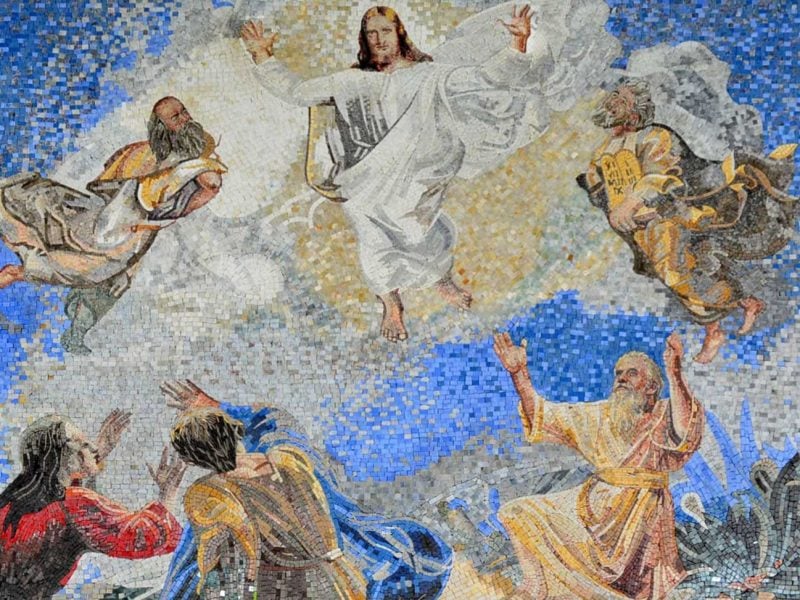
The Dogmatic Constitution on Divine Revelation, known by its informal Latin title Dei Verbum, was one of the last documents to be approved by the Second Vatican Council and solemnly promulgated by Pope Paul VI on November 18, 1965. It deals with the sensitive topics...
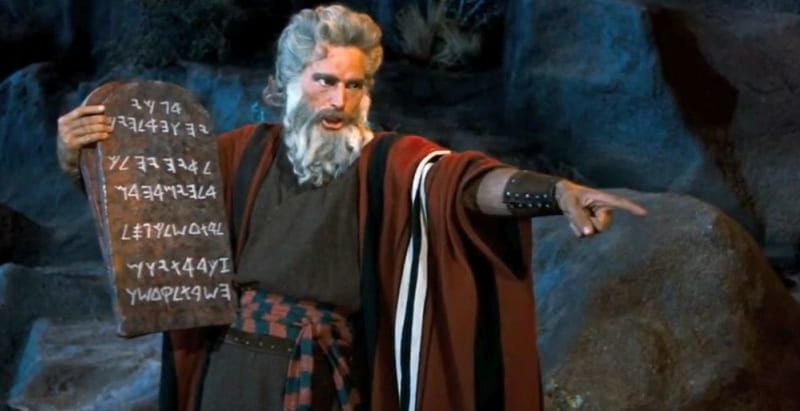
[dropcaps type='normal' font_size='100' color='' background_color='' border_color='']T[/dropcaps]rue, Vatican II says that the Christian Life is supposed to be an intimate relationship, a dialogue between us and God. But wait a minute. God is so different from us! His ways are not our ways. And if our puny minds have trouble...

Augustine here explains the connection between the eighth day, baptism, circumcision, the resurrection as new creation & Sunday as the Christian day of Easter worship instead of Saturday, the Jewish Sabbath....
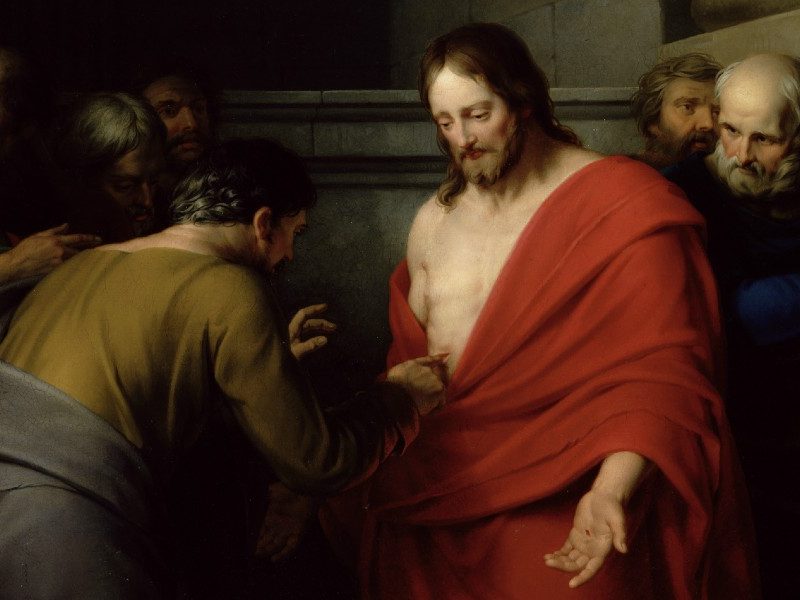
Cyril of Alexandria on the resurrection of Jesus Christ as giving us a sure hope, guaranteed by the Spirit, that we too will rise again....
Benedict XVI's homily for the Chrism Mass of Holy Thursday 2009. The annual occasion on which the bishop, who is the only one who do so, blesses sacred chrism and other holy oils to be used throughout the diocese in the coming year. ...
This piece by St. Bernard of Clairvaux on the wounds of Christ is very fitting to be used in Lent and especially during Holy Week as we meditate on the Passion of the Lord Jesus & his mercy. St. Bernard, perhaps the greatest preacher...